Why LED Is Ideal for Exteriors: A Homeowner’s Guide
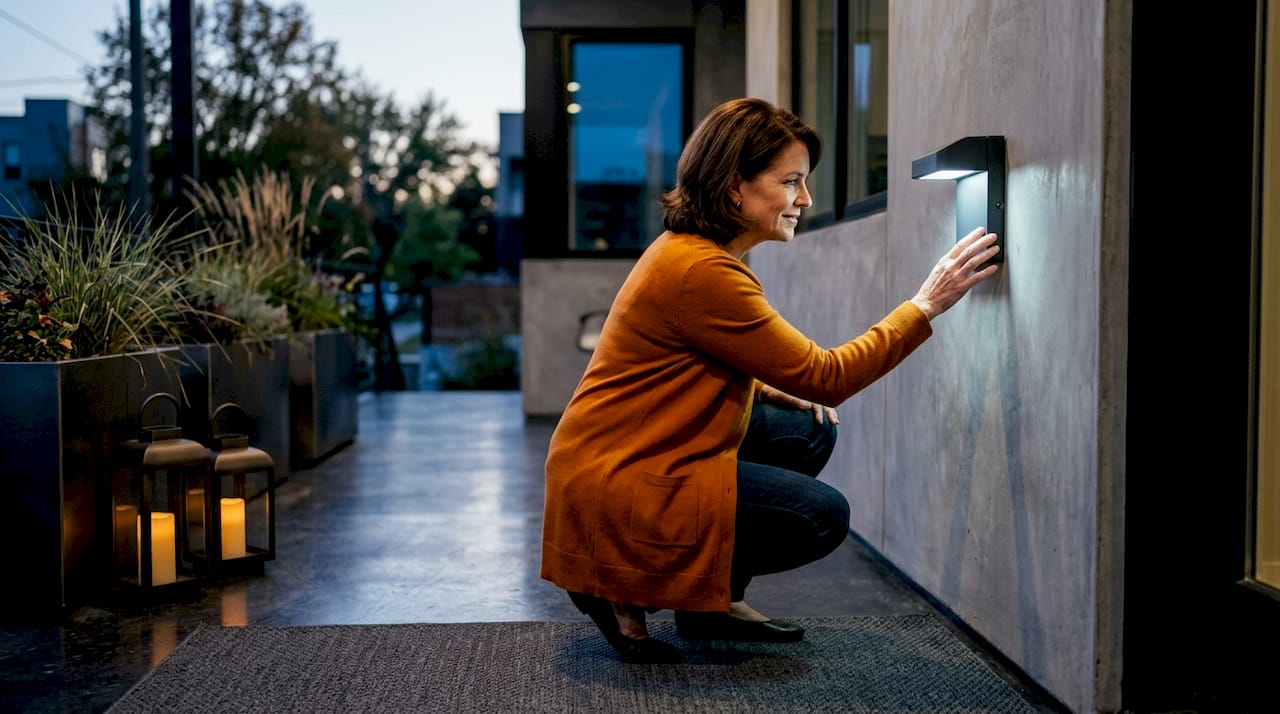
LED lighting is the most effective and energy-efficient choice for exterior lighting applications. Whether you’re lighting a front walkway, a back patio, or your home’s full roofline, understanding why LED is ideal for exteriors helps you make a smarter investment. LEDs outperform traditional incandescent and halogen bulbs on every measurable dimension: energy use, lifespan, weather resistance, and design flexibility. This guide breaks down each advantage so you can upgrade your outdoor spaces with confidence.
Why LED is ideal for exteriors: energy efficiency and cost savings
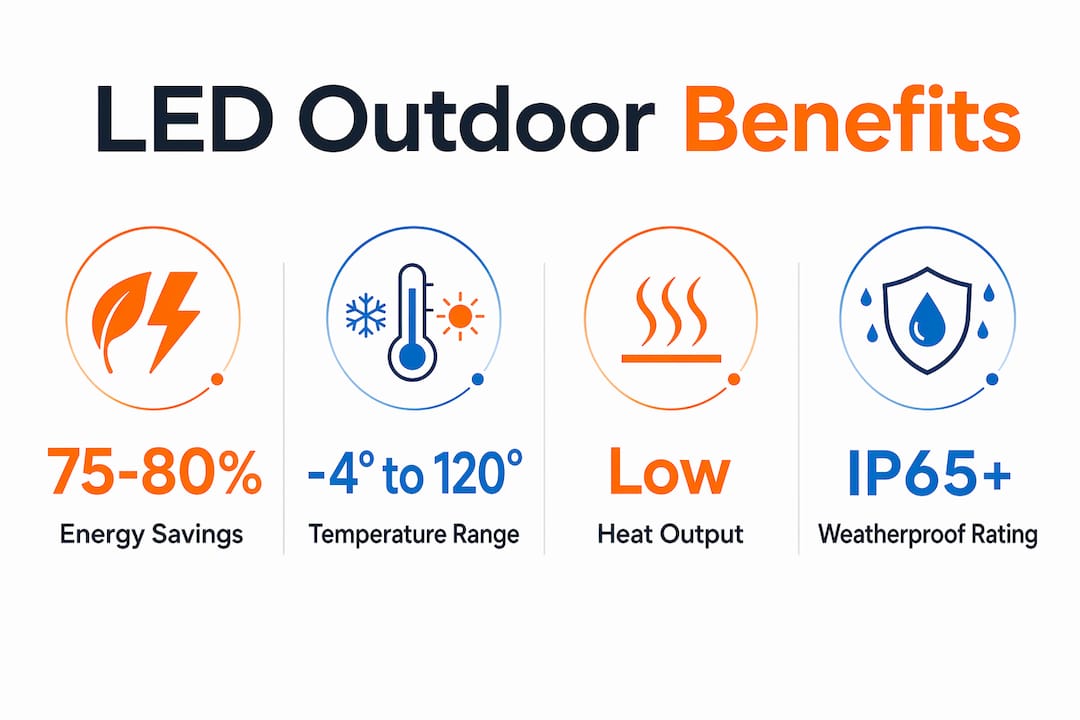
LED fixtures consume 75–80% less electricity than incandescent bulbs while delivering the same brightness. That gap translates directly into lower monthly utility bills, and the savings grow as you add more fixtures or increase operating hours.
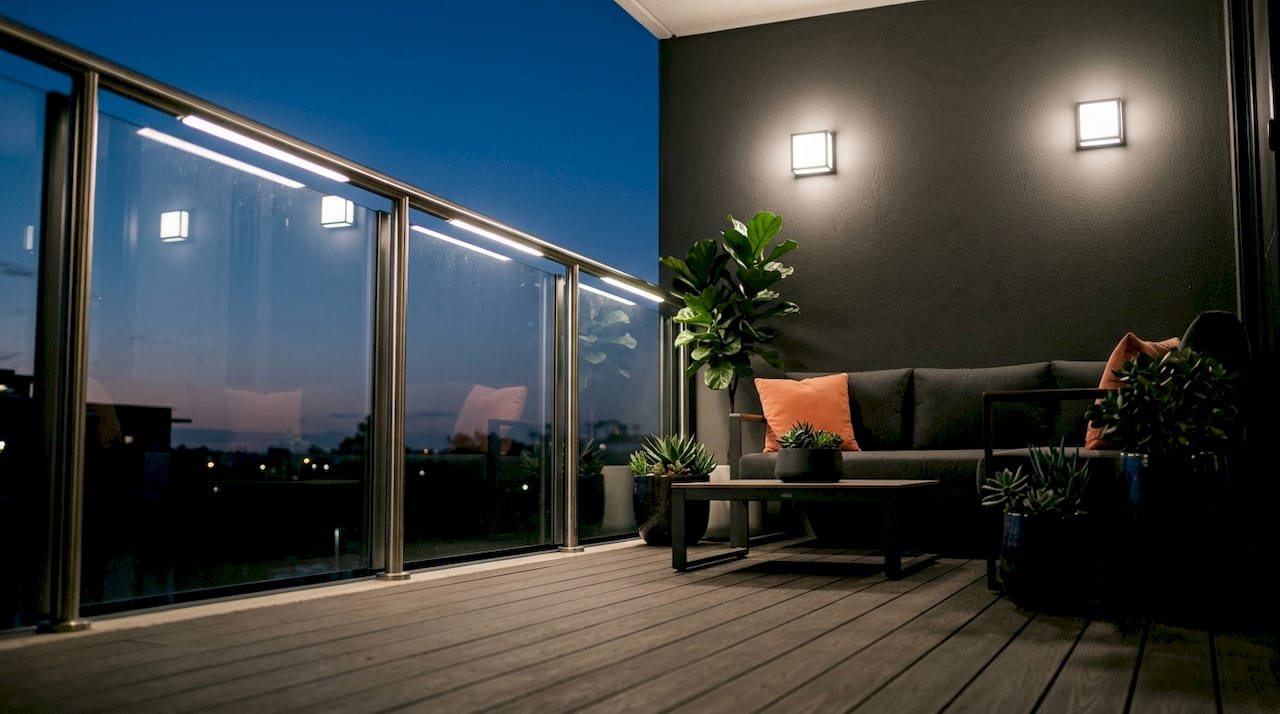
The efficiency advantage goes beyond wattage. LEDs convert electrical energy directly into light rather than heat, which is why LED lighting could save nearly 1,000 TWh annually worldwide. That figure represents a massive reduction in power plant demand, and it starts with individual homeowners making the switch.
Directional light output is another factor most homeowners overlook. Traditional bulbs scatter light in all directions, wasting a large portion of their output on areas you never intended to illuminate. LEDs aim light precisely where you need it, which reduces light pollution and cuts waste at the source.
The long-term cost picture is equally compelling:
- Lower electricity bills: Reduced wattage means measurable savings every billing cycle.
- Fewer replacements: LED lifespans far exceed those of incandescent or halogen bulbs, cutting the frequency of bulb purchases.
- Reduced maintenance labor: In hard-to-reach spots like roofline fixtures or tall landscape posts, fewer service calls mean real money saved over time.
- No warm-up time: LEDs reach full brightness instantly, so motion-activated fixtures respond without delay.
Pro Tip: When calculating your return on investment, factor in both energy savings and the cost of replacing traditional bulbs every one to two years. The total cost of ownership for LEDs is consistently lower, even when the upfront price is higher.
How durable are LED lights in harsh outdoor conditions?
Outdoor fixtures face a punishment that indoor lights never do: rain, UV exposure, freezing temperatures, summer heat, and physical vibration from wind or foot traffic. LED technology handles all of it better than traditional alternatives.
Outdoor LED fixtures operate reliably as cold as -4°F and hold up through the hottest Texas summers. That temperature range covers virtually every climate condition a Dallas-Fort Worth homeowner will encounter. Traditional bulbs, by contrast, are more prone to failure at temperature extremes because their filaments or gas-discharge components degrade faster under thermal stress.
Weatherproof construction is standard on quality outdoor LEDs. LED fixtures use sealed housings rated to resist moisture, corrosion, UV degradation, and vibration. IP ratings like IP65 or IP67 indicate the level of protection against water ingress. IP67, for example, means the fixture can withstand temporary submersion, which matters for ground-level landscape lights that sit in pooling rainwater.
Heat output is another durability factor that homeowners rarely consider. LEDs produce minimal infrared heat compared to incandescent or halogen bulbs. That low heat output protects the fixture housing itself from thermal stress over time, extending its service life.
Pro Tip: Always check the IP rating before purchasing an outdoor LED fixture. For fixtures near sprinklers, pool areas, or low-lying landscape beds, choose IP65 or higher. For roofline and wall-mounted fixtures, IP44 is typically the minimum acceptable rating.
What lighting quality and design options do LEDs offer outdoors?
LED technology gives you control over your outdoor lighting that traditional bulbs simply cannot match. The quality of light, the range of color options, and the compatibility with smart controls all set LEDs apart.
Security is one area where LED performance is measurable. LEDs maintain consistent lumen output throughout their lifespan, unlike traditional bulbs that dim gradually as they age. That stable brightness matters for security cameras, which rely on consistent light levels to capture usable footage at night.
Color temperature gives you the ability to shape the mood of your outdoor spaces. Here is how the main options break down:
- Warm white (2700K–3000K): Creates a welcoming, residential feel for front entries, patios, and landscape accents.
- Neutral white (3500K–4000K): Works well for driveways, garages, and utility areas where visibility is the priority.
- Cool white (5000K–6500K): Delivers crisp, bright light suited for security zones and commercial-style applications.
- Color-changing RGB: Lets you program seasonal colors, holiday displays, or accent effects through a smartphone app.
Smart control compatibility is where modern LED systems pull ahead of everything else. Motion sensors, dimming, and instant-on features minimize energy waste and give you precise control over when and how your lights operate. You can add smart controls to automate schedules, respond to motion, or adjust brightness from your phone. Smaller LED fixture profiles also allow discreet placement in tight spots, like under eaves or along step risers, where traditional bulb housings would be too bulky.
For homeowners with pools or water features, LED pool and landscape lighting follows the same principles: precise color control, low heat output, and weatherproof construction designed for wet environments.
Environmental and safety benefits of LED outdoor lighting
LED technology reduces your home’s environmental footprint in ways that go beyond the electricity meter. The combination of lower energy consumption, safer materials, and longer product life adds up to a meaningful difference.
-
Lower carbon emissions. Transitioning to LED outdoor lighting reduces greenhouse gas emissions through lower electricity consumption and extended product life. Every kilowatt-hour you avoid translates into less demand on the power grid.
-
No hazardous mercury. Some fluorescent lamps contain mercury, which requires special disposal procedures. LEDs contain no mercury, which simplifies end-of-life disposal and removes a potential hazard from your home.
-
Reduced fire risk near landscaping. LEDs emit minimal infrared heat compared to incandescent or halogen bulbs. That cool operation makes them safer near wood siding, mulch beds, dry grass, and other combustible outdoor materials. For detailed guidance on safe placement, the LED lighting safety measures resource from Dfwledpro covers residential best practices.
-
Less landfill waste. Longer lifespan means fewer fixtures and bulbs discarded over time. A single LED fixture that lasts many years replaces multiple traditional bulbs that would otherwise end up in a landfill.
These benefits compound over time. The longer you run an LED system, the greater the cumulative reduction in energy use, emissions, and waste.
Key Takeaways
LED outdoor lighting outperforms traditional bulbs on energy use, durability, safety, and design flexibility, making it the clear choice for any residential exterior.
| Point | Details |
|---|---|
| Energy savings are substantial | LEDs use 75–80% less electricity than incandescent bulbs, cutting utility bills from day one. |
| Weather resistance is built in | IP-rated housings protect fixtures from moisture, UV, corrosion, and temperature extremes down to -4°F. |
| Consistent light quality improves security | Stable lumen output throughout the fixture’s life supports security cameras and nighttime visibility. |
| Smart controls multiply efficiency | Motion sensors, dimming, and scheduling reduce waste and give homeowners precise control. |
| Environmental impact is lower | No mercury, less energy, and longer lifespan reduce emissions and landfill waste over time. |
My take on choosing LED exterior lighting
After working with homeowners across the Dallas-Fort Worth area, I’ve noticed a consistent pattern: the ones who hesitate on LED upgrades almost always focus on the upfront cost. That’s understandable. Quality LED fixtures cost more at the register than a pack of incandescent bulbs. But the math changes completely when you account for energy savings, reduced maintenance, and the fact that you won’t be climbing a ladder to replace bulbs every year.
The detail I find most homeowners miss is IP rating. People buy a fixture because it looks good in a photo, install it near a sprinkler zone, and wonder why it fails in six months. Matching the IP rating to the actual conditions at the installation point is not optional. It’s the difference between a fixture that lasts a decade and one that corrodes by the second summer.
I also think the design flexibility of LEDs is underused. Most homeowners default to a single color temperature and call it done. Spending a few minutes thinking about warm versus cool tones, and where color-changing capability adds value, produces a result that looks intentional rather than functional. Your outdoor lighting shapes how your home looks at night. That impression is worth getting right.
The benefits of upgrading to outdoor LED are well-documented, but the real payoff comes from a system that is designed thoughtfully and installed correctly. Professional installation ensures proper fixture placement, correct IP ratings for each zone, and integration with smart controls from the start.
— Adrian
Permanent LED exterior lighting from Dfwledpro
Dfwledpro is the official authorized JellyFish Lighting dealer for the Dallas-Fort Worth metroplex, and we install permanent outdoor LED systems on residential properties across 35+ cities.
Our installations cover everything from roofline accent lighting to full JellyFish landscape lighting designs that include pathway lights, uplighting, and color-programmable accents. Every system uses weatherproof fixtures with appropriate IP ratings for the Texas climate, and we handle placement, wiring, and smart control setup from start to finish. If you’re in the Lancaster or surrounding area, our team provides permanent LED installation in Lancaster, TX with local expertise and a clear understanding of HOA requirements and neighborhood aesthetics. Contact Dfwledpro for a consultation and a custom quote for your property.
FAQ
How much energy do LED outdoor lights save?
LED outdoor fixtures use 75–80% less electricity than incandescent bulbs at equivalent brightness. The savings increase with more fixtures and longer daily operating hours.
Can LED lights handle Texas heat and cold?
Yes. Outdoor LEDs operate reliably from -4°F through high summer temperatures due to their efficient thermal design. Their low heat output also prevents thermal stress on the fixture housing itself.
What IP rating do I need for outdoor LED fixtures?
IP65 or higher is recommended for fixtures near sprinklers, pool areas, or ground-level landscape beds. IP44 is the minimum for wall-mounted or roofline fixtures in typical residential settings.
Are LED lights safer than halogen near wood and mulch?
Yes. LEDs emit minimal infrared heat compared to halogen or incandescent bulbs, which significantly reduces fire risk near combustible materials like wood siding, mulch, and dry vegetation.
Do outdoor LEDs work with smart home systems?
Modern LED systems are compatible with motion sensors, dimmers, and smart home platforms. Smart controls and scheduling reduce energy waste and let you manage your outdoor lighting remotely from a smartphone app.