LED Lighting Safety Measures for Homeowners
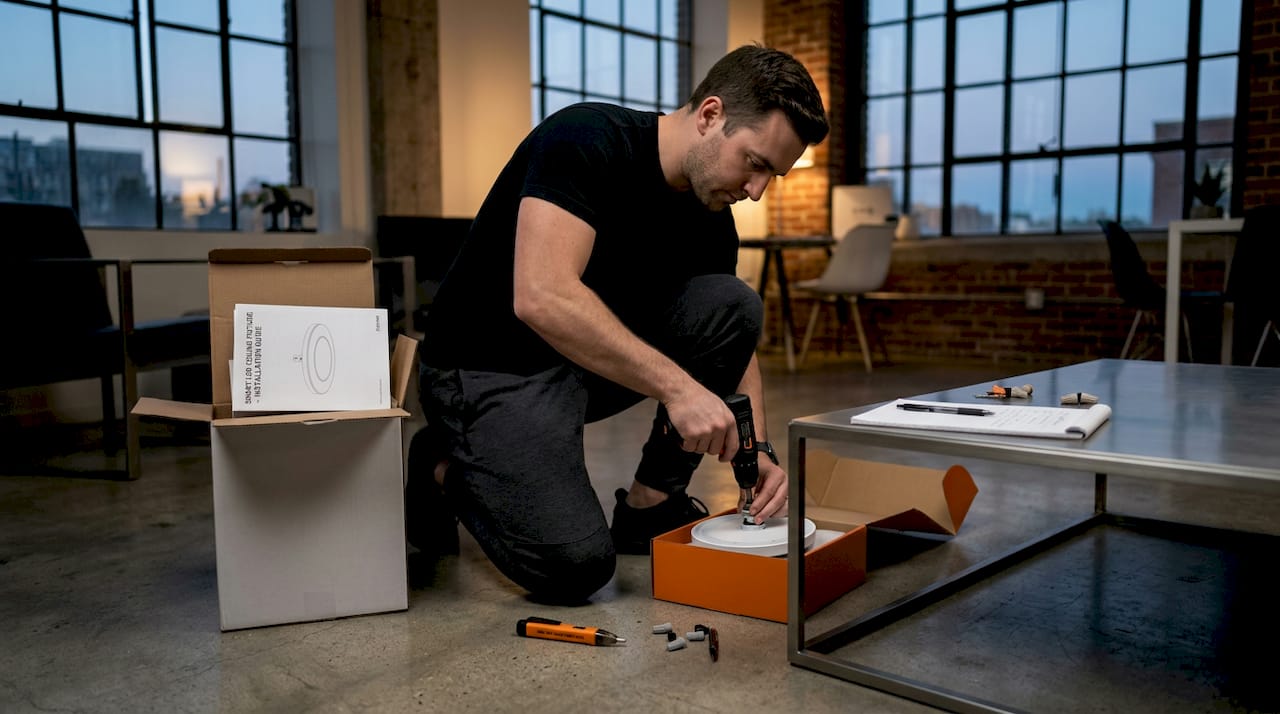
Most homeowners make one common assumption about LED lighting: because LEDs run cooler than incandescent bulbs, they are automatically safe. That assumption leads to shortcuts. Exposed wiring connections, overloaded circuits, improper mounting surfaces, and ignored photobiological risks all become invisible problems until something goes wrong. The reality is that LEDs reduce fire risk compared to incandescent lighting, but they still require deliberate led lighting safety measures to protect your home, your tenants, and your family.
Table of Contents
- Key takeaways
- LED lighting safety measures: what to do before you start
- Safe installation and maintenance best practices
- Understanding photobiological risks from LED lights
- Emergency LED lighting compliance for property managers
- What experience actually teaches you about LED safety
- Professional LED installation that gets it right
- FAQ
Key takeaways
| Point | Details |
|---|---|
| LED safety starts before installation | Shut off power, verify circuits, and gather certified components before touching any wiring. |
| Circuit loads have firm limits | Connect no more than 25 LED strings end-to-end to prevent electrical overheating at outlets. |
| Photobiological risk groups matter | Check IEC 62471 classifications on LED products to choose lights safe for bedrooms, kitchens, and workspaces. |
| Emergency lighting requires ongoing testing | Monthly functional tests and annual full-duration tests are required under current compliance standards. |
| Heat is the hidden enemy of LED strips | Mount LED strips in aluminum channels and inspect solder joints regularly to prevent thermal failures. |
LED lighting safety measures: what to do before you start
Safe LED light installation begins well before the first wire is touched. Rushing past the preparation phase is where most residential electrical problems start.
Power shutoff is non-negotiable. Turn off the circuit breaker for the area you are working in, then use a non-contact voltage tester to confirm the circuit is dead. Do not rely on a light switch alone. As LED lamp best practices confirm, low-voltage LED wiring can still connect back to household voltage at the fixture level, meaning live current remains accessible even when the LED itself is not lit.
Here is a pre-installation safety checklist every homeowner should run through:
- Personal protective equipment: Wear insulated gloves and use insulated screwdrivers rated for at least 1,000 volts.
- Voltage verification: Test with a non-contact tester after switching off the breaker. Test again.
- Component certification: Only purchase LED fixtures, drivers, and strip lights that carry UL, ETL, or RoHS certification. These marks confirm the product has passed independent safety testing.
- Wiring diagram review: Match the voltage and wattage rating of your LED driver to the strip or fixture being installed. Mismatched drivers are a leading cause of overheating.
- Photobiological classification check: Look for IEC 62471 risk group labeling on the product or its specification sheet.
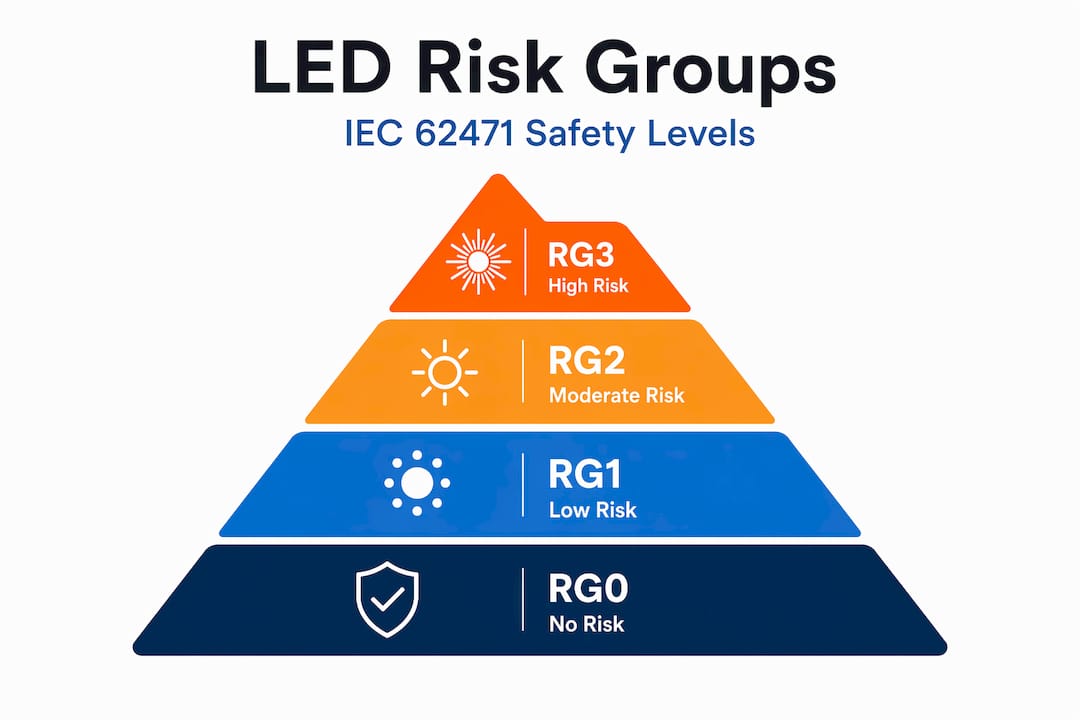
The IEC 62471 standard classifies LED products into four photobiological risk groups ranging from RG0 (no risk) to RG3 (high risk). Most residential LEDs fall into RG0 or RG1, but high-intensity spot LEDs and grow lights can reach RG2. Knowing this before you install helps you make smarter decisions about placement.
| Risk Group | Hazard Level | Common Products |
|---|---|---|
| RG0 | Exempt / No risk | Standard A-type bulbs, nightlights |
| RG1 | Low risk | Most residential LED strips, downlights |
| RG2 | Moderate risk | High-output spotlights, task lighting |
| RG3 | High risk | Industrial LEDs, specialty beam lights |
Pro Tip: Always buy LED components from established suppliers and keep your receipts. If a fixture fails and causes damage, documentation of certified product purchase supports insurance claims.
Safe installation and maintenance best practices
With your workspace verified and your components certified, the actual installation process needs to follow a specific sequence to minimize electrical, thermal, and physical hazards. This is where LED safety guidelines move from theory into practice.
-
Plan your circuit load first. The DOE confirms you can safely connect up to 25 LED strings end-to-end without overloading an outlet. For LED strip lighting, calculate total wattage per run and stay at 80% or below your circuit breaker’s rated capacity. A 15-amp circuit safely handles about 1,440 watts continuous draw.
-
Mount strips in aluminum channels. Thermal failures in LED strips typically begin at solder joints and mounting surfaces. Aluminum channels act as thermal pathways that pull heat away from the LED chips and extend the life of the strip while reducing fire risk.
-
Secure every wiring connection. Use wire nuts rated for the conductor gauge you are working with, or use push-in connectors approved for LED applications. Loose connections arc. Arcing starts fires. This is not an area to rush.
-
Avoid enclosed fixtures unless rated for them. Heat buildup in enclosed ceiling fixtures is a real hazard with certain LED retrofits. Check that your LED bulb or module specifically lists “enclosed fixture rated” on the packaging. Unrated bulbs in enclosed fixtures run hotter than designed, shortening lifespan and increasing failure risk.
-
Install timers or smart controls. Running LED lighting continuously for extended periods without automatic shutoffs increases heat accumulation in drivers and mounting hardware. Smart controls and timers add an operational safety layer while also reducing energy costs.
-
Set up a regular inspection schedule. Walk your LED installations every 60 to 90 days. Look for discoloration on mounting surfaces, yellowing of connector housings, flickering, or any physical damage to the wire insulation. Catching these signs early prevents failures. Consider scheduling a periodic home electrical safety check to have a licensed professional verify your work.
Pro Tip: When running LED strip lighting in kitchens or bathrooms, use strips with an IP65 or higher waterproof rating. Steam and moisture reach further than most homeowners expect, and an unrated strip will fail quickly in those environments.
Understanding photobiological risks from LED lights
LED light fire risks get most of the attention, but photobiological hazards deserve equal focus, especially for spaces where children, elderly residents, or people with light sensitivities live.
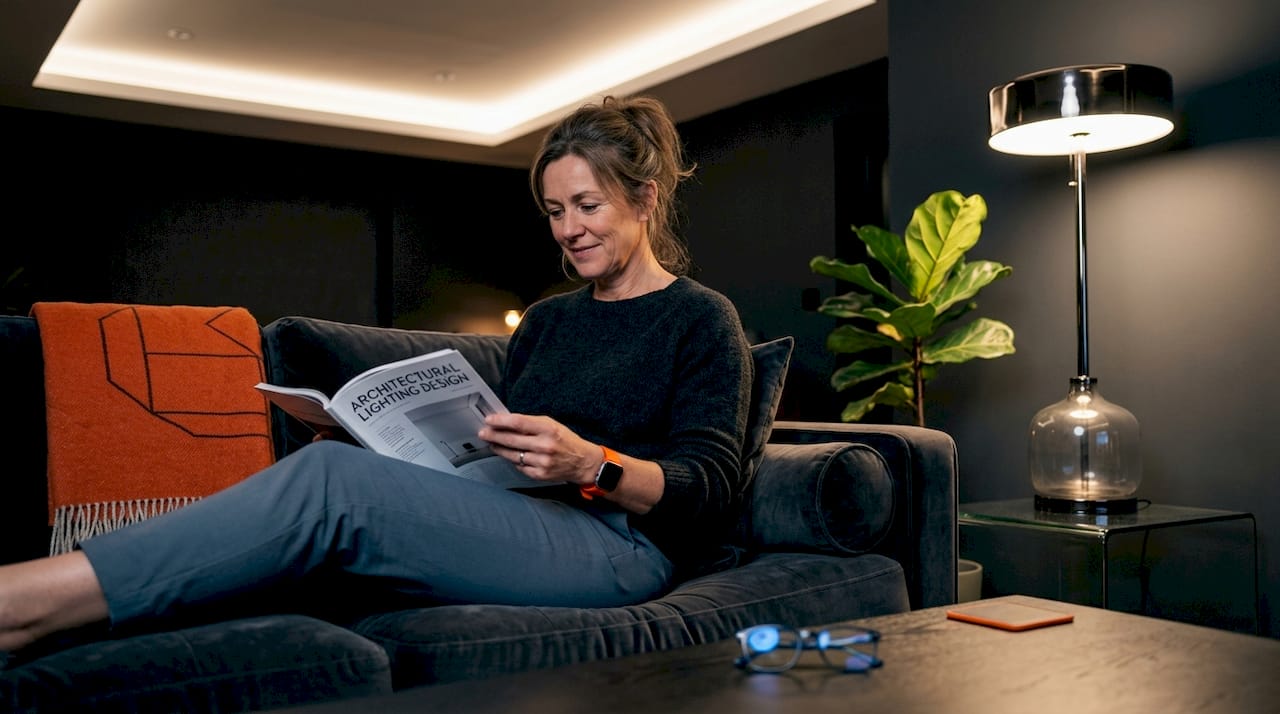
Photobiological safety should always be based on formal risk group classifications rather than assumptions about how bright a fixture looks. High-color-temperature LEDs (5000K and above) emit more blue light, which carries higher photobiological energy. Blue light at sufficient intensity can cause cumulative retinal stress with prolonged direct exposure.
Here are the practical LED lighting precautions for photobiological safety in residential settings:
- Bedrooms and nurseries: Use warm white LEDs in the 2700K to 3000K range. These produce minimal blue light and support healthy sleep cycles.
- Home offices and task lighting: Stay at 3500K to 4000K. Avoid pointing high-output task LEDs directly at eye level.
- Outdoor security and floodlights: These are more likely to be RG2 products. Mount them at angles that avoid direct line-of-sight from windows and living areas.
- Decorative and accent lighting: Standard RG0 and RG1 products. No special precautions needed for normal use.
- Grow lights and specialty LEDs: Often RG2 or higher. Do not use these without manufacturer guidance on exposure limits. Eye protection may be required during maintenance.
Choosing the right color temperature and risk group for each room is one of the simplest and most overlooked LED safety guidelines homeowners can follow. A bedroom lit with a 6500K high-output fixture is not a safety-neutral decision.
For anyone looking at LED diode safety classifications in more depth before purchasing, reviewing the IEC 62471 product documentation from your supplier is the right starting point. Ask for it if it is not posted.
Emergency LED lighting compliance for property managers
Property managers carry a different category of responsibility. Decorative and functional LED lighting follows general best practices. Emergency LED lighting follows the law.
Emergency lighting systems require monthly functional tests and annual full-duration tests with formal record-keeping. These requirements exist because emergency lighting that fails during an actual emergency is worse than no emergency lighting at all. Occupants rely on those systems to exit safely during power outages, fires, and other events.
Here is a side-by-side comparison of monthly versus annual emergency lighting obligations:
| Requirement | Monthly Test | Annual Test |
|---|---|---|
| Test duration | Short functional check (typically 30 seconds) | Full rated duration (1 to 3 hours depending on system) |
| Purpose | Confirm system activates and lights illuminate | Verify full battery backup capacity and system integrity |
| Record-keeping | Log date, result, and any failures | Log duration, full system performance, and any remediation |
| Follow-up action | Replace failed units immediately | Address any degraded batteries or coverage gaps |
Proper inspection logs prevent latent system failures and protect property managers from regulatory and insurance liability. A verbal “it looked fine” is not a compliance record. A dated log with initials and unit identification numbers is.
Common pitfalls in emergency lighting maintenance include:
- Assuming an LED upgrade automatically resets the maintenance clock. It does not.
- Failing to test coverage in areas modified by renovations.
- Missing battery degradation because the monthly test is too short to reveal capacity loss.
- Not coordinating emergency lighting reviews with fire safety inspections.
Modern self-testing emergency lighting units log results automatically and flag failures to a central dashboard, removing human error from the monthly check process. If you are managing multiple properties, this technology pays for itself in compliance assurance alone. An emergency electrician can also step in quickly if a system fails between scheduled checks.
What experience actually teaches you about LED safety
I have seen the same oversights repeated on property after property, and the most consistent one surprises people every time: homeowners underestimate heat even with LEDs. The technology genuinely does run cooler. LEDs emit minimal heat compared to incandescent bulbs, and that fact creates complacency.
What I have learned is that the heat LED strips do generate concentrates. It does not spread evenly. It pools at connectors, at tight bends, and at points where the strip contacts non-conductive mounting surfaces. I have seen strip lighting installed directly on wood trim with no aluminum channel and no inspection history. The discoloration was already visible at the connectors after one summer.
My honest take on LED lighting safety: the electrical and thermal risks are manageable with discipline. The photobiological risks are manageable with product selection. The emergency compliance piece is where property managers most often get behind. It becomes a paperwork item that gets deferred until an inspection forces the issue. That is the wrong order of operations. Testing and documentation should run on the same calendar as utility bills. Non-negotiable, not reactive.
The homeowners and property managers I have seen handle this best treat LED safety as a system. Installation, inspection, documentation, and upgrade planning all connect. None of those steps works in isolation.
— Adrian
Professional LED installation that gets it right
Getting LED lighting right from the start means working with installers who understand both the technical requirements and the local environment. At Dfwledpro, we are the authorized JellyFish Lighting dealer for the Dallas-Fort Worth metroplex, and we handle permanent LED installations across Lancaster, Dallas, Midlothian, and 35-plus surrounding communities. Every installation we complete is designed with thermal management, circuit planning, and long-term reliability built in. If you are ready to move past DIY uncertainty and into a permanent lighting system that performs safely year-round, explore our Dallas LED installation services or our Lancaster LED installation options. We also serve Midlothian homeowners through our Midlothian LED installation service. Reach out to schedule a consultation.
FAQ
What are the most critical LED lighting safety measures for homeowners?
Always shut off power and verify the circuit is dead before installation, use only UL or ETL certified components, and mount LED strips in aluminum channels to manage heat. Regular visual inspections every 60 to 90 days catch problems before they become hazards.
Can LED lights cause fires?
LED lights significantly reduce fire risk compared to incandescent bulbs, but improper installation creates real hazards. Overloaded circuits, loose wiring connections, and unrated fixtures in enclosed spaces are the primary fire causes in LED setups.
How do I know if an LED product is photobiologically safe?
Look for IEC 62471 risk group labeling on the product or its spec sheet. Most residential LEDs are RG0 or RG1, which carry no or low photobiological hazard. Avoid prolonged direct eye exposure to RG2 products like high-output spotlights.
How often should emergency LED lighting be tested?
Monthly functional tests and annual full-duration tests are required under current emergency lighting standards. All results must be logged with dates, unit identification, and any corrective actions taken.
What is the safest way to connect LED string lights outdoors?
Connect no more than 25 LED strings end-to-end to stay within safe electrical load limits. Use outdoor-rated extension cords, keep connections out of standing water, and plug into a GFCI-protected outlet.