Outdoor Lighting for Every Season: A Homeowner’s Guide
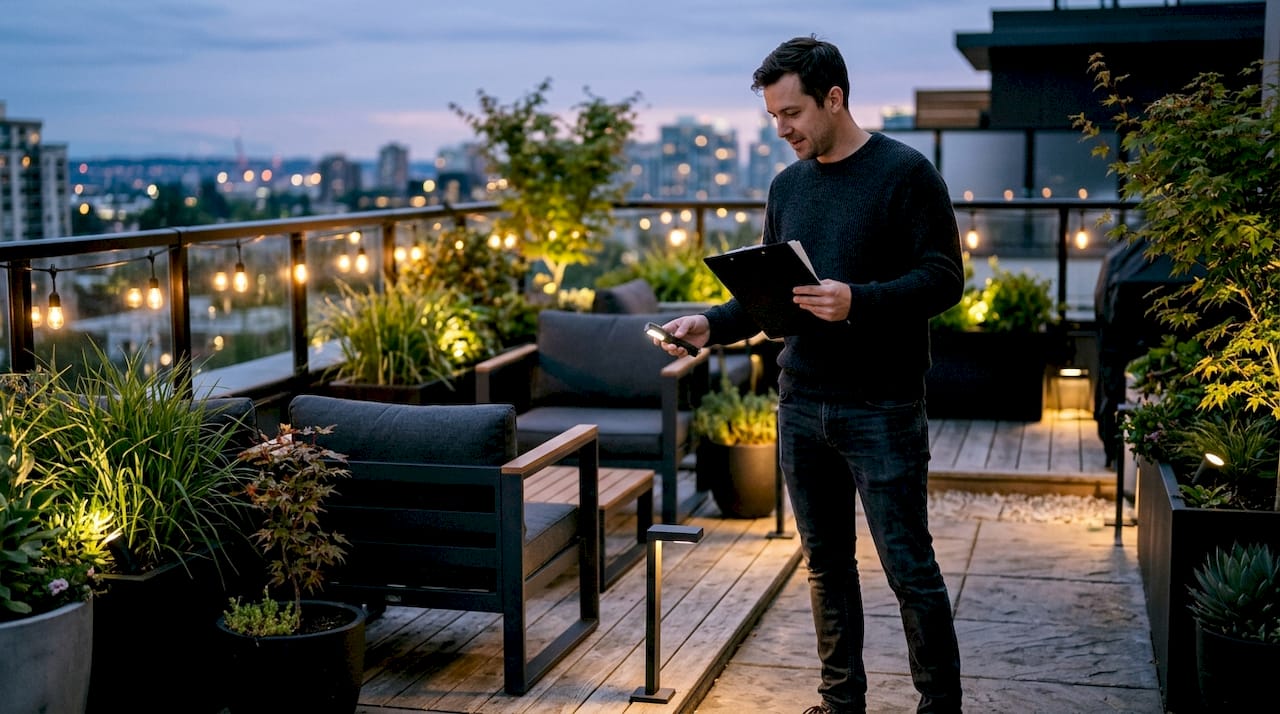
Outdoor lighting for every season is a purposeful system that layers ambient, task, and accent lights to serve your property through spring blooms, summer gatherings, fall evenings, and winter holidays. The industry term for this approach is all-season layered lighting design, and it goes well beyond swapping out string lights in december. A well-planned system keeps your home safe, attractive, and functional without requiring a complete overhaul every few months. Warm color temperatures in the 2700K–3000K range and downward-shielded fixtures are the two non-negotiable starting points for any year-round setup that also respects dark-sky standards.
1. What are the essential types of outdoor lighting for year-round use?
Professional outdoor lighting uses a three-layer approach: ambient, task, and accent lighting. Each layer serves a distinct purpose, and all three work together to create a balanced, livable outdoor space across every season.
- Ambient lighting provides general illumination for safety and navigation. Wall-mounted lanterns, post lights, and overhead fixtures fall into this category. This layer keeps your driveway, walkways, and yard visible after dark, which matters even more in winter when daylight hours shrink.
- Task lighting targets specific activities. Entryway lights help you find your keys. Patio downlights let you grill or dine after sunset. Step lights prevent trips on uneven surfaces. Task lighting is the most functional layer and the one most homeowners underplan.
- Accent lighting highlights trees, architectural details, garden beds, and decorative features. Uplights, well lights, and directional spotlights all serve this role. This layer carries most of the visual weight when it comes to curb appeal and seasonal atmosphere.
Most average-sized backyards need 8–15 fixtures for a balanced design across all three layers. That number surprises most homeowners who start with two or three path lights and wonder why the yard still feels dark.
Pro Tip: Sketch your yard and label each zone by function before buying a single fixture. Knowing which areas need safety light versus accent light prevents over-spending on the wrong layer.

2. How to place and space fixtures for effective seasonal performance
Placement is where most outdoor lighting plans fall apart. A fixture in the wrong spot creates glare, dead zones, or a look that changes awkwardly when the seasons shift foliage and shadows.
Start with a nighttime walkthrough. Walking your property after dark reveals hazards and dark zones that are completely invisible during the day. Bring a flashlight and note every area where you feel unsafe or where the yard looks flat and uninviting. This single step prevents the most common placement mistakes.
Use these spacing and positioning guidelines as your baseline:
- Path lights: Space them 8–12 feet apart along walkways. Closer spacing creates a runway effect that looks institutional rather than residential.
- Tree uplights: Position them 2–5 feet from the trunk to create dramatic shadow and depth without washing out the canopy.
- In-ground well lights: Use these where you want an unobtrusive installation at grade level, especially near driveways or under architectural overhangs.
- Adjustable stake fixtures: Choose these for garden beds and seasonal plantings. You can reposition them as spring bulbs give way to summer perennials or fall mums.
- Step and riser lights: Mount these flush into risers or side walls. They provide task lighting without projecting glare into the eyes of anyone walking up.
| Fixture type | Recommended spacing or distance | Best seasonal use |
|---|---|---|
| Path lights | 8–12 feet apart | All seasons; critical in winter |
| Tree uplights | 2–5 feet from trunk | Spring through fall for foliage; winter for structure |
| In-ground well lights | Per design plan | Year-round, especially winter |
| Adjustable stake lights | As needed per plant | Spring and fall when plantings change |
| Step lights | One per step or every other step | All seasons; critical in icy conditions |
Pro Tip: Adjust uplight angles in late october before leaves drop. A bare tree needs a tighter beam angle than a full canopy, and making that change early keeps your yard looking intentional through winter.
3. Seasonal outdoor lighting ideas for spring, summer, fall, and winter
Each season brings different foliage, activities, and moods. Your lighting system should flex to meet all of them without a full reinstall.
- Spring: Focus soft uplighting on early blooms and flowering trees. Dogwoods, redbuds, and ornamental cherries look extraordinary with a warm 2700K uplight grazing their branches. Extend ambient path lighting hours as evenings get longer and outdoor activity picks up again.
- Summer: Layer patio task lighting for entertaining. Overhead string lights add ambiance for dinner parties, while hanging lanterns combined with layered landscape lighting create depth and sculptural shadows that flat overhead lighting never achieves. Pool areas benefit from dedicated underwater and perimeter lighting for safety and atmosphere. For ideas on pool lighting design, a dedicated approach makes a significant difference in both safety and visual appeal.
- Fall: Shift accent lighting toward colorful foliage, decorative pumpkins, and architectural features. Warm amber tones in the 2700K range enhance the natural coziness of the season. This is also the time to add or reposition step lights before wet leaves and early frosts create slip hazards.
- Winter: Permanent low-glare fixtures with color-changing capability let you shift from everyday white light to festive red, green, or blue for the holidays without installing temporary clips or cords. Safety lighting for icy driveways and steps becomes the top priority. A permanent LED system handles holiday outdoor decorations and everyday safety lighting from a single installation.
Pro Tip: Use dynamic color options sparingly. A subtle shift to warm amber in fall or soft blue-white in winter reads as intentional. Cycling through every color on the spectrum reads as a light show, not a home.
4. How to choose durable, energy-efficient fixtures for year-round use
The fixture you buy determines how much maintenance you do and how long your system lasts. Cheap fixtures fail fast, and the cost of replacing them every season adds up quickly.
Commercial-grade solid brass fixtures last over 20 years even in harsh outdoor climates. That lifespan makes the higher upfront cost a clear value over time, especially in the Dallas-Fort Worth area where summer heat, humidity, and occasional ice storms all stress outdoor hardware.
IP ratings tell you how well a fixture resists moisture and debris. Fixtures without at least an IP44 rating suffer corrosion and seal failure within one or two seasons. IP44 is the minimum for any outdoor installation. For areas near sprinkler zones, water features, or pool edges, IP65 or higher is the right choice.
Color temperature consistency matters more than most homeowners expect. Mixing warm and cool color temperatures creates jarring visual clashes across your yard. Stick to a consistent base of 2700K–3000K for all fixtures. This range also aligns with Dark Sky Association recommendations for reducing blue light pollution.
Smart controls add real flexibility without adding complexity. Dimming and zone controls let you set different brightness levels for entertaining versus everyday use, and scheduling by season means you are not manually adjusting timers every few weeks. Look for systems with app-based control so you can make changes from inside the house.
Pro Tip: Avoid mixing fixture brands across your yard unless you verify that their color temperatures match. Two fixtures both labeled “warm white” can differ by 300K, which is enough to make your yard look mismatched.
5. How to automate and maintain your outdoor lighting through every season
A well-automated system removes the friction of seasonal changes. You set it once per season and the lighting adapts to your schedule without daily attention.
- Schedule by season and occasion. Program shorter on-times in summer when daylight lasts until 9:00 PM and longer on-times in december when darkness falls by 5:30 PM. Most app-based controllers let you set sunrise and sunset triggers that adjust automatically as days shorten or lengthen.
- Inspect seals and connections twice a year. Check fixtures in spring after winter weather and again in fall before the rainy season. Loose seals let moisture in, which corrodes contacts and shortens fixture life significantly.
- Clean lenses and covers regularly. Dust, pollen, and debris reduce light output over time. A quick wipe-down in spring and fall keeps your system performing at full brightness.
- Reposition adjustable fixtures as foliage changes. Trees and shrubs look different in july than they do in november. Spending 30 minutes repositioning a few stake lights each season keeps the lighting looking intentional rather than accidental.
- Plan for storm and ice damage. After a significant weather event, walk the property and check for fixtures knocked out of position, damaged lenses, or water intrusion. Catching problems early prevents a single damaged fixture from cascading into a larger repair.
For a deeper look at seasonal lighting automation and how it affects curb appeal and energy use, the principles apply directly to DFW-area homes where seasonal swings are significant.
Key Takeaways
A layered outdoor lighting system combining ambient, task, and accent fixtures is the most effective way to maintain safety, curb appeal, and seasonal atmosphere year-round.
| Point | Details |
|---|---|
| Layer all three lighting types | Ambient, task, and accent lighting together create balanced, functional coverage for every season. |
| Follow placement guidelines | Space path lights 8–12 feet apart and position tree uplights 2–5 feet from the trunk for best results. |
| Choose IP44 or higher fixtures | Fixtures below IP44 fail within one or two seasons, making durable materials a long-term cost saver. |
| Keep color temperature consistent | Stay within 2700K–3000K across all fixtures to avoid visual clashes and meet dark-sky standards. |
| Automate and inspect seasonally | Schedule lighting by season and inspect seals twice a year to maintain performance without daily effort. |
What I’ve learned from years of watching homeowners light their yards
Most homeowners make the same two mistakes. They over-light the front of the house and ignore the sides and back entirely. Or they buy fixtures based on how they look in a showroom under fluorescent light, then wonder why the yard looks cold and institutional after dark.
The single most valuable thing you can do before spending a dollar is walk your property at night with no outdoor lights on. Stand at the street and look at your house. Stand in the backyard and look toward the house. The dark zones you find in that five-minute walk will tell you more than any lighting catalog.
Lighting should support the emotion of a space, not become the focal point. The best outdoor lighting makes you feel safe and comfortable without drawing attention to the fixtures themselves. When guests compliment your yard and cannot quite say why it looks so good, you have done it right.
Invest in durable fixtures once. Cheap fixtures cost you twice: once at purchase and again when you replace them after one or two seasons. Brass and commercial-grade aluminum hold up in Texas heat and humidity in ways that plastic-bodied fixtures simply do not. The math always favors quality.
— Adrian
Dfwledpro’s permanent LED lighting for DFW homeowners
Dfwledpro installs permanent LED lighting systems built to perform through every season the Dallas-Fort Worth area throws at them. Whether you need safety lighting for icy winter steps, accent lighting for spring blooms, or festive color options for the holidays, a single permanent installation handles all of it.
As the official authorized JellyFish Lighting dealer for the DFW metroplex, Dfwledpro serves 35+ cities including Arlington, Fort Worth, Mansfield, and Grand Prairie. Our systems use app-based controls, color-changing capability, and commercial-grade fixtures designed for Texas weather. If you are ready for a lighting system that works year-round without seasonal reinstalls, explore our permanent LED lighting in Lancaster or contact us for a customized consultation for your property.
FAQ
What is all-season layered lighting design?
All-season layered lighting design is the practice of combining ambient, task, and accent lighting into one coordinated outdoor system. It adapts to seasonal changes in foliage, daylight, and activity without requiring a full reinstall each season.
How far apart should outdoor path lights be spaced?
Path lights should be spaced 8–12 feet apart. Closer spacing creates a runway effect that looks unnatural and wastes fixtures.
What IP rating do outdoor fixtures need for year-round use?
Fixtures need a minimum IP44 rating for year-round outdoor use. Fixtures below this rating suffer seal failure and corrosion within one or two seasons, especially in humid or wet climates.
What color temperature works best for seasonal outdoor lighting?
A consistent color temperature of 2700K–3000K works best for year-round outdoor lighting. This warm range avoids visual clashes between fixtures and aligns with dark-sky standards that reduce blue light pollution.
Can permanent LED lights handle holiday outdoor decorations?
Yes. Permanent LED systems with color-changing capability replace temporary holiday lights entirely. You switch from everyday white to festive colors through an app, with no ladders, clips, or cords required each season.