Dynamic color changing lighting: homeowner guide and benefits
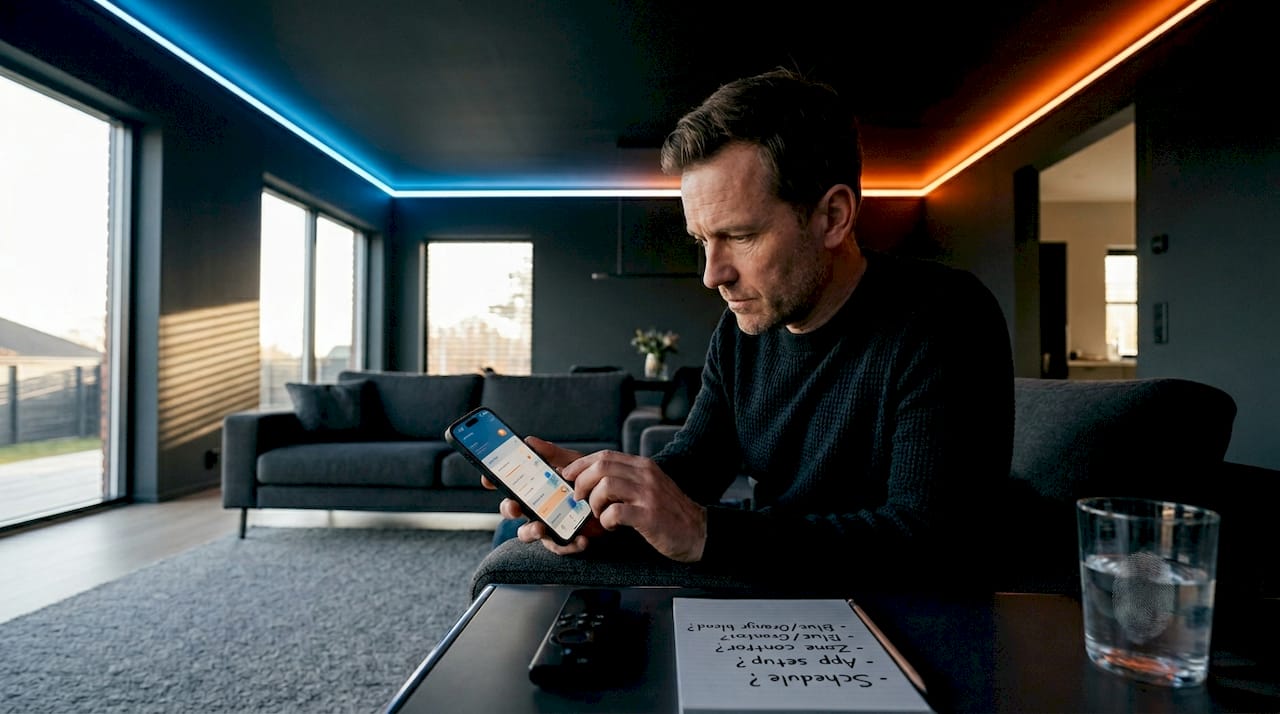
Most Dallas-Fort Worth homeowners assume that color-changing outdoor lights are simply bulbs you swap out for colored versions. That assumption is costing them real value. True dynamic color changing lighting is a completely different category, one that includes automated scheduling, scene sequencing, wellness-focused white tuning, and app control that goes far beyond picking red or blue. This guide breaks down what dynamic lighting actually means, what features matter for your home, and how to avoid the technical mistakes that trip up most buyers before they ever flip a switch.
Table of Contents
- Understanding dynamic color changing lighting
- Key features and control options for homeowners
- Homeowner applications: real-world outdoor benefits
- Common mistakes and technical pitfalls
- What most lighting articles miss about dynamic outdoor systems
- Ready to upgrade? Connect with Dallas-Fort Worth’s local experts
- Frequently asked questions
Key Takeaways
| Point | Details |
|---|---|
| True dynamic color control | Modern systems offer not just color variety but programmable scenes and white-tuning for wellness benefits. |
| Smart control options | App integration and smooth scheduling make managing outdoor lighting simple for DFW homeowners. |
| Avoid technical pitfalls | Proper setup and product compatibility are essential—watch out for ‘color interlock’ needs in advanced systems. |
| Professional installation value | Local experts help you choose and install systems with lasting durability and peace of mind. |
Understanding dynamic color changing lighting
Let’s clarify what dynamic color changing lighting actually includes before looking at specific technologies or applications.
The word “dynamic” is the key distinction here. A basic colored LED produces one fixed color. A dynamic system, by contrast, can shift color temperature, brightness, and color sequence automatically over time, responding to schedules, scenes, or external triggers. Think of how dynamic outdoor lighting works as the difference between a photograph and a film. One is static. The other moves, adapts, and responds.
What “dynamic” actually covers in a quality system includes:
- Color changing: Full RGB spectrum that transitions between hues smoothly, not just blinking between presets
- White balance tuning: Adjusting from warm amber tones to cool daylight white on a schedule
- Timed sequences: Sunrise to sunset automation, holiday color programs, and zone-specific settings
- Scene layering: Running different colors or effects across different sections of your roofline or landscaping simultaneously
One of the most important wellness applications of dynamic lighting is circadian rhythm support, where professional lighting organizations describe dynamic systems as those that adjust color temperature and brightness over time to mimic sunlight’s natural progression. In plain terms, that means cooler, brighter light during the day and warm, dim tones in the evening to support better sleep.
There’s also an important technical detail most homeowners never hear about. Many RGBWW and RGB+white LED products cannot run all color channels simultaneously. If you energize both the RGB and the white chips at the same time, you get a washed-out, muddy output. This is why quality systems and firmware include a “color interlock” configuration, a setting that prevents all channels from firing together and ensures the color you choose is the color you actually see.
Here’s a quick comparison to help visualize the difference:
| Feature | Basic colored LED | Dynamic color changing system |
|---|---|---|
| Color selection | Fixed, manual | Full spectrum, automated |
| White tuning | None | Warm to cool adjustment |
| Scheduling | No | Yes, with holiday presets |
| Scene layering | No | Yes, zone-specific |
| Wellness features | No | Circadian rhythm support |
| App control | Rare | Standard in quality systems |
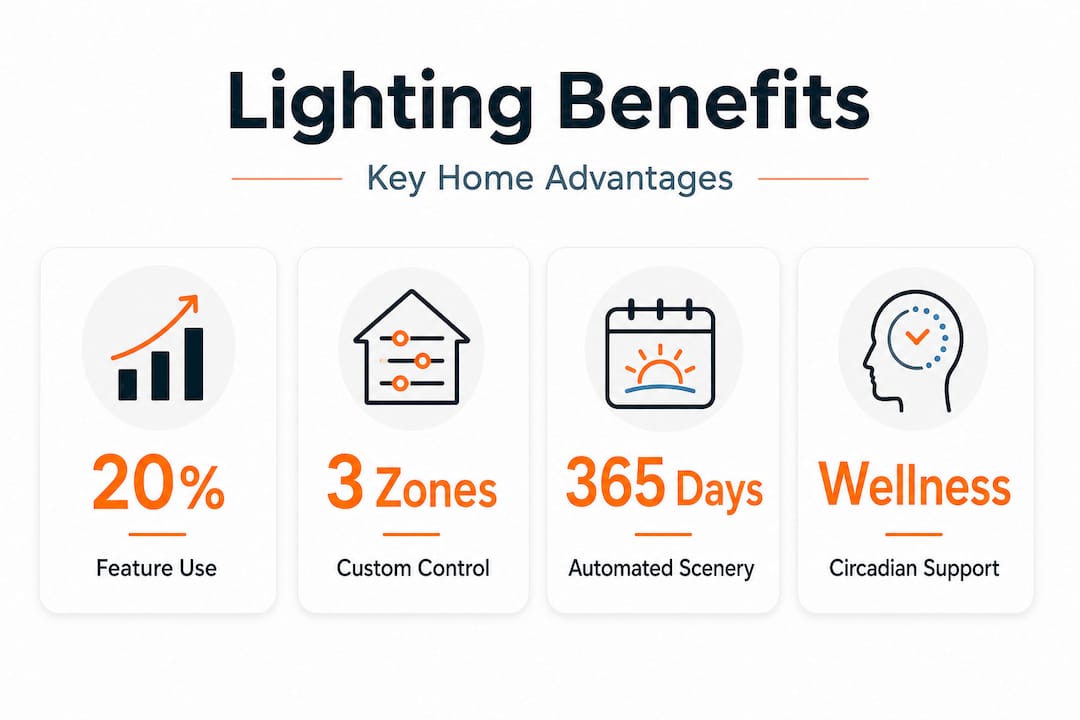
“The real value of dynamic lighting isn’t just what it looks like the first night. It’s how it performs 365 nights a year with minimal homeowner effort.” This is what separates a quality permanent installation from a seasonal display you drag out of storage.
Key features and control options for homeowners
Now that you understand what dynamic color changing lighting is, let’s look at the features and controls that set top systems apart for homeowner convenience.
Control is where the experience lives or falls apart. You can have the most visually impressive lighting on the block, but if the app freezes or the schedule fails during the holidays, that value evaporates fast. Understanding control options before you buy saves a lot of frustration.
Here are the main control types you’ll encounter:
-
App-based control: Most modern dynamic systems use a smartphone app to manage color, brightness, timing, and scenes. Look for systems where the app updates and support history are strong, not just the initial launch.
-
Smart home integration: Premium systems connect with Alexa, Google Home, or Control4 for voice commands and whole-home automation routines. Our full breakdown of smart home lighting integration covers compatibility in detail.
-
Remote or physical switch: Some homeowners want a simple backup. A physical remote or wall switch adds reliability when Wi-Fi is spotty or when guests need quick access without app credentials.
-
Hub-based vs. direct connection: This is a critical distinction. Hub-based systems require a dedicated bridge device that stays connected to your router. Direct-connect systems pair your lights straight to Wi-Fi or Bluetooth. Hub systems are often more reliable at scale, but they add a point of failure if the hub loses power or connection. Direct systems are simpler but can struggle with range or bandwidth limitations.
App friction and lighting quality are real issues in real-world product reviews. Many buyers discover too late that an otherwise impressive system has an app experience that’s clunky, slow to load scenes, or difficult to set up multi-zone schedules.
Here’s what to evaluate when comparing control systems:
| Control feature | What to look for |
|---|---|
| App stability | Consistent updates, strong user reviews |
| Hub requirement | Optional vs. mandatory |
| Smart home compatibility | Alexa, Google, Control4 |
| Schedule depth | Daily, weekly, and holiday-specific |
| Multi-zone support | Individual zone control per area |
Pro Tip: Before committing to any dynamic lighting system, download the companion app and spend 10 minutes navigating it. If you can’t find the scheduling feature or change zones intuitively, that friction will frustrate you every holiday season. Our app-controlled lighting guide walks you through what to look for specifically.
The JellyFish Lighting system, which we install across the DFW metroplex, is worth noting here. Its app is built for homeowner simplicity, with preset holiday programs, smooth scene transitions, and reliable scheduling that doesn’t require IT-level knowledge to configure. See our full breakdown of JellyFish lighting app features for specifics.
Homeowner applications: real-world outdoor benefits
With features and controls in mind, let’s explore how dynamic color changing lighting actually benefits your home in practical, everyday situations.
Holiday displays without the annual setup: One of the most immediate wins for DFW homeowners is eliminating the seasonal ladder-and-staple routine. A permanent dynamic system lets you schedule patriotic red, white, and blue for July 4th, orange and purple for Halloween, and green and red for Christmas, all from your phone, weeks in advance. No trips to the attic. No tangled strings. No worrying about HOA complaints because your display went up two weeks too early.
Security and curb appeal: Dynamic lighting isn’t just decorative. A well-configured system can brighten specific zones on a schedule or respond to motion events. Consistent, well-lit exteriors reduce the visual opportunity for property crime. They also dramatically improve the look of your home’s roofline, entry, and landscaping in ways that static fixtures can’t match.
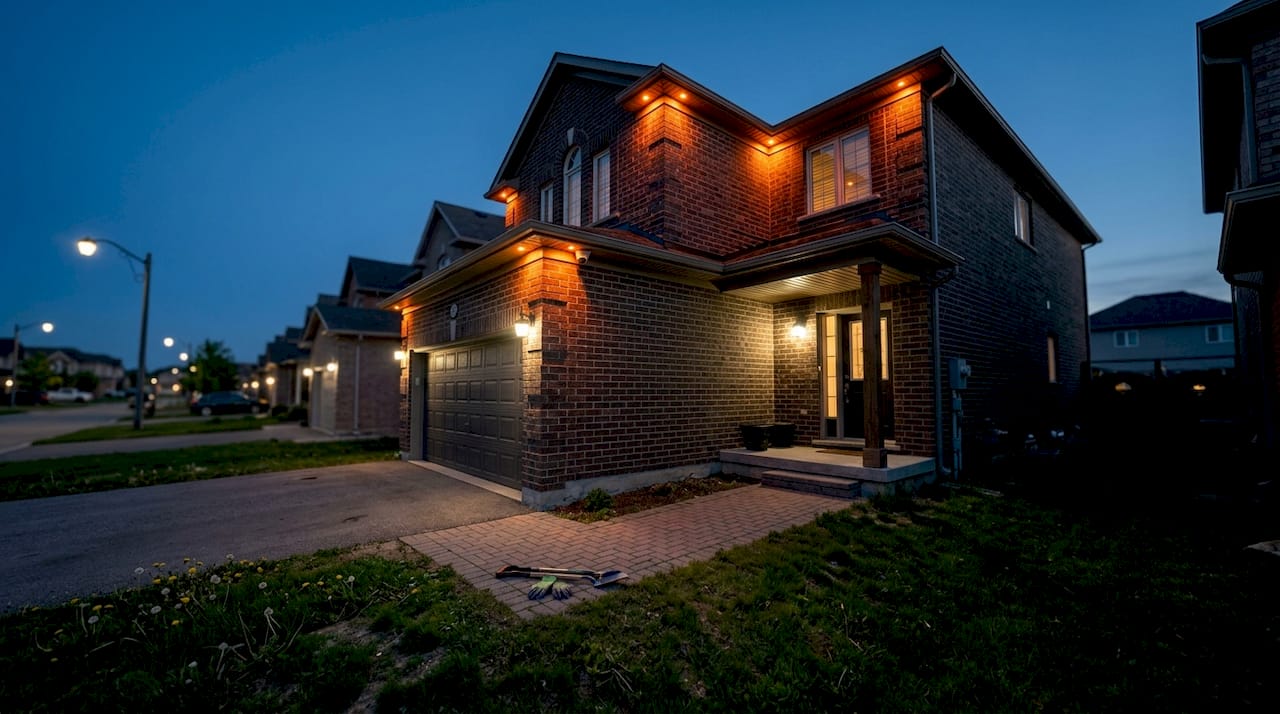
Wellness-focused evening routines: The circadian rhythm benefits of tunable white lighting are real. As evening progresses, shifting your outdoor lighting from cool white to warm amber signals to your body that it’s time to wind down. This is especially useful for covered patios and outdoor living areas in DFW homes, where families spend significant evening hours outdoors during spring and fall.
Set-and-forget scheduling: Most DFW homeowners want their lighting to simply work without constant management. Quality dynamic systems support automated on/off schedules tied to local sunrise and sunset times, seasonal adjustments, and holiday-specific programs. You configure it once, and the system handles the rest.
Here’s a practical list of real-world scheduling scenarios:
- Everyday: Lights on at sunset, off at midnight at 30% brightness
- Football weekends: Cowboys blue and silver from 6 PM to 11 PM on game days
- Holidays: Pre-scheduled color programs for 15+ annual events
- Security: Full brightness white from 10 PM to 6 AM on outdoor zones near entry points
- Entertaining: Warm, layered scene activated with a single app tap before guests arrive
Pro Tip: Build your holiday schedule in early October when you have time to test scenes and adjust brightness. Rushing to program a Christmas display on December 23rd leads to errors and frustration. Most quality apps let you draft and preview scenes before they go live. Use our permanent lighting tips as a planning resource.
Common mistakes and technical pitfalls
Before you dive into upgrades, be aware of these common technical and planning mistakes most homeowners make with dynamic color changing systems.
-
Overloading circuits or mismatching power supplies. LED systems have specific power requirements. Running too many fixtures off a single circuit, or using an undersized power supply, leads to flickering, color drift, or outright failure. Always verify your electrical load capacity before installation, or let a licensed installer do it for you.
-
Ignoring color interlock configuration. As noted earlier, many RGBWW products cannot energize all channels simultaneously. Without proper color interlock setup, you’ll see unexpected white bleed into your color scenes. This makes deep reds look pink, blues look gray, and holiday colors muddy. It’s a simple configuration fix, but it requires knowing the issue exists in the first place.
-
Choosing systems with confusing or limited controls. The excitement of a new lighting product can overshadow a poor control experience. Homeowners often buy based on color output demos and discover that the app is glitchy, the scheduling is limited, or smart home integration doesn’t actually work as advertised.
-
DIY waterproofing and wiring mistakes. Outdoor LED systems face real weather exposure, particularly in DFW where we see temperature swings from freezing winters to 105-degree summers. Fixtures need to be properly rated (IP65 or higher) and wiring needs to be sealed and secured. Improper installations allow moisture intrusion that causes corrosion, shorts, and complete system failures well before the warranty period ends.
-
Skipping professional planning for complex installations. Running lights along a roofline with multiple peaks, dormers, and garage sections isn’t straightforward. Poor routing decisions lead to visible wiring, uneven light distribution, and fixtures that don’t align with the home’s architecture. Our entrance lighting tips show what a properly planned installation looks like versus a rushed one.
“The most expensive mistake homeowners make isn’t buying the wrong product. It’s buying the right product and installing it incorrectly. The hardware lasts; the shortcuts don’t.”
What most lighting articles miss about dynamic outdoor systems
Most articles about dynamic color changing lighting read like product spec sheets. They list lumen counts, color temperature ranges, and app features without ever addressing what actually separates a system that works beautifully for years from one that becomes an annoyance by spring.
Here’s what we’ve learned from installing permanent outdoor LED systems across 35+ cities in the DFW metroplex.
Climate durability is the spec that matters most. North Texas weather is genuinely tough on outdoor lighting. A summer that regularly hits triple-digit temperatures, combined with ice storms in February and severe thunderstorms in spring, creates thermal expansion and contraction that stresses every connection point. Fixtures rated IP65 are the practical minimum for our region. Anything less, and you’re looking at moisture intrusion and connection failures within two to three seasons. No color output spec matters if the fixture fails by August.
Long-term app support is a hidden risk. Many “smart” lighting products have excellent apps at launch. Two years later, the company pivots, the app updates stop, and you’re left with hardware that works but can’t be controlled the way you bought it. We’ve seen this pattern repeatedly in the permanent lighting space. The question isn’t whether the app works today. It’s whether the manufacturer has the scale and commitment to maintain it for the lifetime of your system.
Real DFW homeowners use about 20% of available features regularly. This is important context. Most homeowners set up three to five scenes, program their holiday schedules, and then let the system run on autopilot. The value isn’t in endless customization. It’s in the everyday reliability of a system that looks great, runs automatically, and requires almost no ongoing attention. Systems that oversell features at the expense of stability miss this entirely.
You’ll find honest, experience-based tips from local experts on what actually works in DFW yards versus what sounds good in a product video. The gap between those two things is wider than most homeowners expect.
Ready to upgrade? Connect with Dallas-Fort Worth’s local experts
If you’re ready to experience the benefits of dynamic color changing lighting in your outdoor space, here’s how to get started.
We’re DFW LED Pro, the official authorized JellyFish Lighting dealer for the Dallas-Fort Worth metroplex. We’ve installed permanent outdoor LED systems on homes across Arlington, Mansfield, Fort Worth, Grand Prairie, Burleson, Cedar Hill, Midlothian, and 35+ surrounding communities. Every installation is backed by professional planning, licensed electrical work, and lifetime warranty support.
Getting started is straightforward. You can explore your options with our overview of permanent LED lights Dallas, or go straight to learning how installation works to understand what the process looks like from first consultation to final walkthrough. We offer free assessments, so you get honest recommendations for your specific home before any commitment is made.
Frequently asked questions
Can dynamic color changing lights improve my home’s value?
Yes. Dynamic LED systems improve curb appeal, add functional security lighting, and demonstrate premium upgrades that buyers notice, all of which can positively influence resale value in competitive DFW neighborhoods.
Do I need Wi-Fi or a special app to control dynamic outdoor lighting?
Most modern dynamic systems require either Wi-Fi or Bluetooth for full app-based control. Some systems also need a dedicated hub or bridge device for reliable performance. Bridge vs. direct connectivity is a practical factor to verify before you buy, since hub-dependent systems add one more device you’ll need to maintain.
How is dynamic lighting different from basic color-changing lights?
Dynamic systems go far beyond color selection. They support automated scene scheduling, multi-zone control, and wellness-focused circadian rhythm tuning that adjusts color temperature and brightness over time to align with natural sunlight patterns.
What technical mistakes should I avoid with dynamic LED lighting?
The two most overlooked issues are circuit overloading and color channel overlap. Many RGBWW products require color interlock configuration to prevent all LED channels from running simultaneously, which causes washed-out or incorrect colors. Professional installation eliminates both of these risks from the start.