What Is Night Sky Friendly Lighting? A 2026 Guide
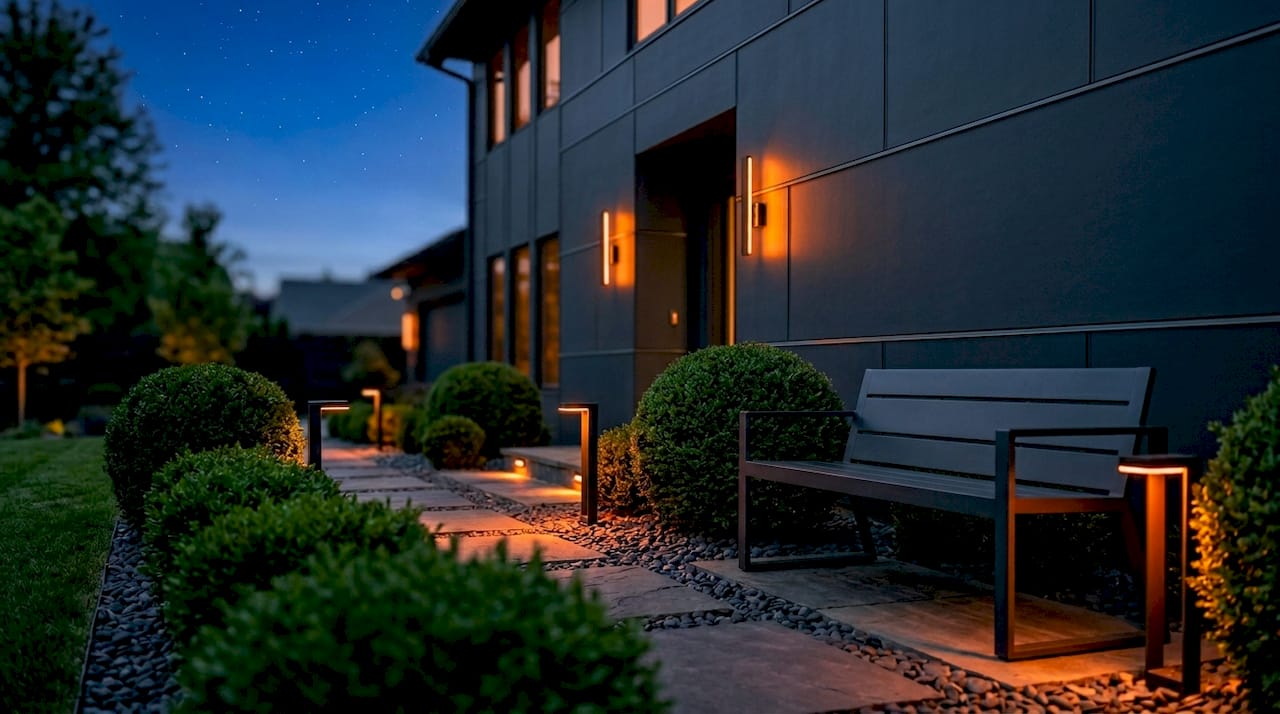
Night sky friendly lighting is outdoor illumination designed to minimize light pollution by directing light only where needed, limiting brightness, and using warmer color temperatures below 3000K. The industry standard term for this approach is dark sky compliant lighting, a designation governed by the DarkSky Approved Luminaires program run by the International Dark-Sky Association. For homeowners across the Dallas-Fort Worth area and beyond, adopting these principles means better-looking outdoor spaces, lower energy bills, and a genuine contribution to preserving the night sky for everyone in your community.
What is night sky friendly lighting and how does it work?
Night sky friendly lighting, formally called dark sky compliant lighting, follows the Five Principles of Responsible Outdoor Lighting to cut light pollution at the source. Those principles are: light only where it serves a clear purpose, direct it only where needed, use no more than the minimum brightness required, limit it to only when it is needed, and choose warmer color temperatures. Every principle works together. A fixture that checks only two or three boxes still contributes to skyglow and wasted energy.
The color temperature standard is specific. Fixtures must produce 3000K or lower, with 2700K preferred for residential use. Cooler white light in the 4000K to 6500K range emits significantly more blue-spectrum light, which scatters farther in the atmosphere and contributes heavily to skyglow. Warm amber tones at 2200K to 2700K match the natural ambiance of dusk and cause far less disruption to both human sleep cycles and nocturnal wildlife.
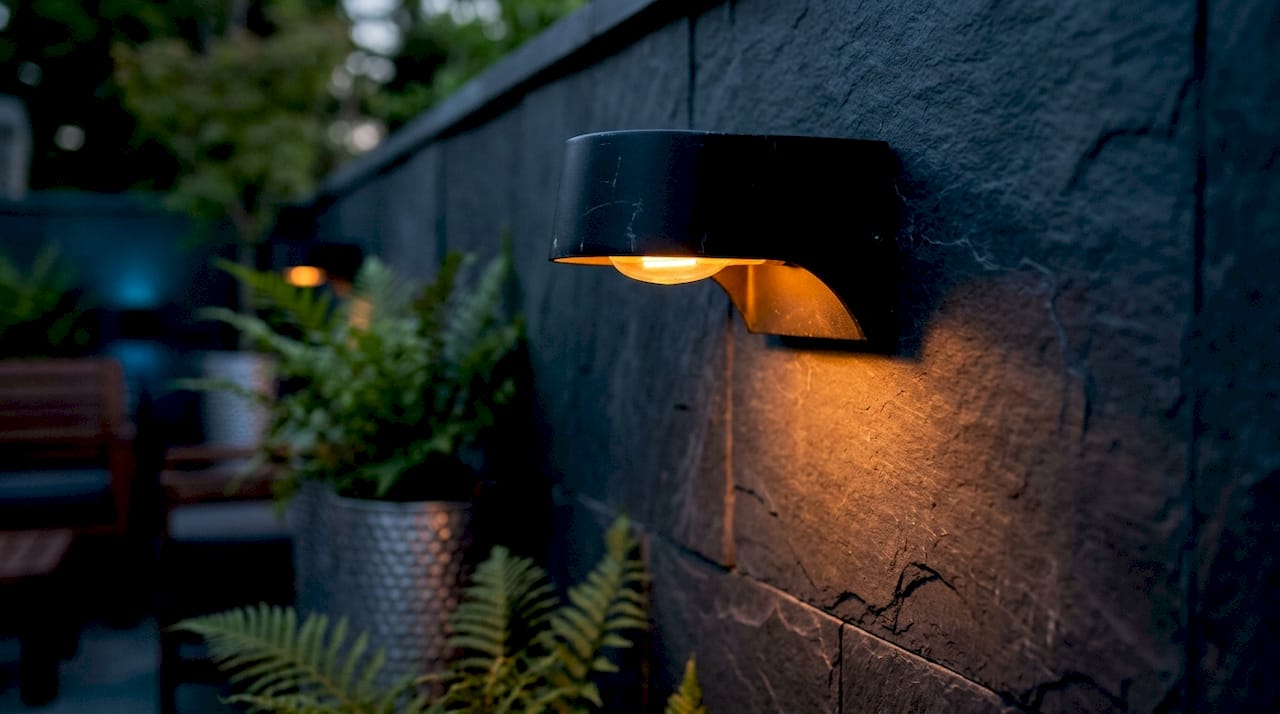
Full cutoff is the other non-negotiable. A fully shielded fixture limits upward light to near zero, meaning the bulb is not visible from the side or above. This single design feature prevents the majority of wasted light that currently bleeds into the sky from residential neighborhoods. Lumens matter too. Lumens measure brightness more accurately than wattage, and selecting the lowest lumen output that safely illuminates your target surface is the correct approach.
Pro Tip: You do not need to replace every fixture on your property to get started. Adding inexpensive shields or caps to existing outdoor lights can achieve full cutoff compliance at a fraction of the cost of new fixtures.
How does night sky friendly lighting benefit homeowners, wildlife, and the environment?
The benefits extend well beyond aesthetics. Urban light pollution can reach dozens of times brighter than natural night skies, with some cities recording levels 69 times above baseline. That level of artificial brightness means 99% of some populations cannot see the Milky Way from their own backyard. Switching to dark sky compliant fixtures directly reduces your property’s contribution to that problem.
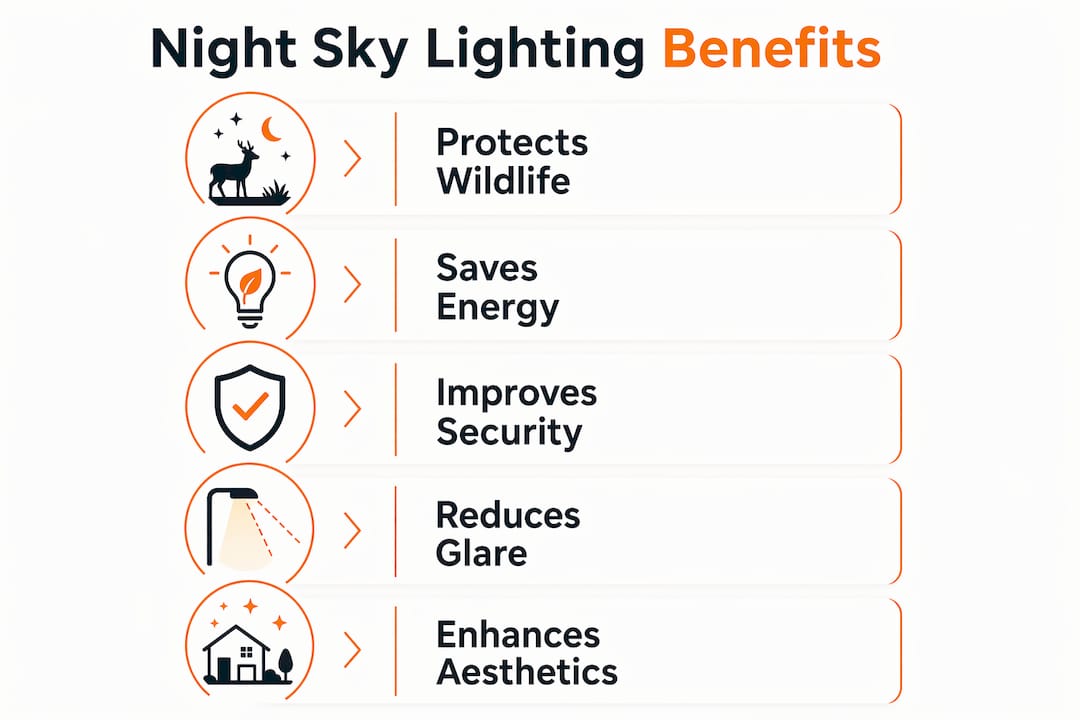
Wildlife protection is a concrete, measurable benefit. Nocturnal animals rely on darkness to hunt, navigate, and reproduce. Artificial light at night disrupts insect populations, disorients migratory birds, and interferes with sea turtle nesting. Directional LED lighting that prevents light from shining into the sky or into neighboring yards protects these animals without compromising your own visibility or security.
The safety argument for dark sky lighting is one most homeowners get wrong. Bright floodlights feel secure but create glare that reduces security effectiveness and produces dark hiding spots around the perimeter of illuminated areas. Controlled, even illumination at a lower intensity actually improves visibility by eliminating the contrast between blinding bright spots and deep shadows.
“Light pollution is the easiest human-made pollution to fix because one can simply switch lights off. Warmer, dimmer, and motion-activated lighting restores natural rhythms for humans and wildlife alike.” — The Age
The energy savings are real and ongoing. Lower-lumen, warm-tone LED bulbs consume less power than bright cool-white alternatives. Pairing them with motion sensors or timers compounds those savings significantly. Municipalities across the U.S. and Europe are moving toward dark sky ordinances, and some European jurisdictions already enforce streetlight direction laws with fines exceeding €3,000. Getting ahead of that curve now protects your property value and avoids future compliance costs.
What types of fixtures are considered dark sky compliant?
Choosing the right fixture type is where most homeowners either get it right or waste money. The table below compares common outdoor fixture styles by their light pollution characteristics.
| Fixture type | Light direction | Light pollution risk | Best use case |
|---|---|---|---|
| Full cutoff downlight | Downward only | Very low | Pathways, driveways, entries |
| Shielded wall sconce | Forward and down | Low | Doors, garage walls |
| Bollard light | Downward and outward | Low to medium | Garden paths, low-level areas |
| Unshielded post-top globe | All directions | High | Avoid or retrofit with shield |
| Bare floodlight | Wide and upward | Very high | Replace or redirect downward |
Fully shielded and full cutoff fixtures are the standard for dark sky compliant fixtures. The bulb must be recessed inside the housing so it is not visible from above or from the side at eye level. Downlights mounted on soffits or eaves are naturally well-suited to this requirement. Post-top globe fixtures are the worst offenders because they scatter light in every direction, including straight up.
Bulb selection matters as much as fixture design. Amber LEDs in the 2200K to 2700K range are the preferred choice for the best outdoor lighting for stargazing and wildlife protection. Avoid bulbs marketed as “daylight” or “cool white,” which typically fall in the 4000K to 6500K range. Those color temperatures emit blue-spectrum light that travels farther in the atmosphere and contributes directly to skyglow over your neighborhood.
Pro Tip: When shopping for bulbs, check the packaging for the Kelvin (K) rating, not just the wattage or lumen output. A 2700K LED at 400 lumens is the right combination for most residential pathway and entry lighting.
How can homeowners implement night sky friendly lighting on their property?
Practical implementation does not require a full outdoor lighting overhaul. Follow these steps to reduce light pollution and improve your outdoor setup without starting from scratch.
- Audit your existing fixtures. Walk your property after dark and identify every light source. Note which ones shine upward, sideways, or onto neighboring properties. Those are your priority targets.
- Add shields or retrofit caps first. Shields on existing fixtures achieve full cutoff compliance affordably. This is the fastest and cheapest way to make a measurable difference before buying anything new.
- Replace bulbs with warm-tone LEDs. Swap any bulb above 3000K for a 2700K or 2200K amber LED. Match the lumen output to the task. Pathway lights need roughly 100 to 200 lumens. Entry and security areas need 400 to 800 lumens.
- Install motion sensors and timers. Motion sensors and timers reduce light use more effectively than fixture upgrades alone when lights run all night unnecessarily. A motion-activated porch light at 600 lumens causes far less cumulative pollution than a dim light left on for eight hours.
- Mount fixtures low and aim them down. Proper fixture placement low to the ground focuses light on the target surface and reduces light trespass onto neighboring yards or into the sky. A low-mounted downlight on a pathway post is more effective than a high-mounted floodlight pointed at the same area.
- Close curtains and blinds at night. Indoor light spill through windows contributes to overall skyglow. This is a free step that requires no hardware at all.
- Evaluate and adjust after 30 days. Lighting needs change with seasons and habits. Reassess your setup after a month and dim or redirect any fixtures that still feel excessive.
For homeowners interested in going further, explore exterior lighting strategies that balance curb appeal with responsible light output. Pairing good fixture choices with lighting zone control gives you precise management over which areas are lit, at what intensity, and for how long.
Key takeaways
Night sky friendly lighting works because it combines full cutoff fixtures, warm color temperatures at 2700K or below, and smart controls to eliminate wasted light without sacrificing safety or aesthetics.
| Point | Details |
|---|---|
| Color temperature is critical | Choose bulbs at 2700K or lower to reduce blue-light scatter and skyglow. |
| Full cutoff fixtures eliminate upward light | Shielded fixtures direct light downward only, preventing sky and neighbor light trespass. |
| Shields before replacement | Retrofit existing fixtures with caps or shields before spending money on new units. |
| Smart controls amplify savings | Motion sensors and timers reduce cumulative light pollution more than fixture swaps alone. |
| More light does not mean more safety | Controlled, even illumination outperforms bright floodlights for visibility and security. |
Why I think most homeowners are solving this problem backwards
Most people I talk to approach outdoor lighting as a product problem. They assume the answer is buying the right fixture, and once they have it installed, the job is done. That framing misses the bigger picture entirely.
Outdoor lighting is fundamentally a design challenge. The goal is to illuminate specific surfaces like doors, paths, and driveways without illuminating the sky or causing glare. That requires thinking about placement, timing, and brightness together, not just fixture spec sheets. A perfectly rated dark sky fixture mounted at the wrong height, aimed at the wrong angle, and left on all night still contributes to light pollution.
The other misconception I see constantly is that brighter equals safer. It does not. Harsh floodlights create contrast that actually hides intruders in shadow. Controlled, lower-intensity lighting that covers an area evenly gives you better visibility and better security. That insight alone changes how most homeowners think about their front and back yard setups.
The encouraging part is that this is genuinely the easiest environmental problem to address at home. You do not need solar panels or a new HVAC system. You need the right bulb, a shield, and a timer. Start there, and you will see the difference on your next clear night.
— Adrian
How Dfwledpro helps you get dark sky lighting right
At Dfwledpro, we install permanent outdoor LED lighting systems across 35+ cities in the Dallas-Fort Worth metroplex, including Arlington, Fort Worth, Mansfield, and Burleson. Every system we install uses directional LED technology with warm color temperature options that align with dark sky principles. We work with homeowners to place fixtures at the right height, aim them at the right surfaces, and pair them with smart controls that limit unnecessary runtime. If you are ready to upgrade your outdoor lighting with fixtures that look great and respect the night sky, explore our permanent LED lighting installation services or browse our commercial LED solutions for larger properties.
FAQ
What is the color temperature for night sky friendly lighting?
Dark sky compliant lighting uses bulbs rated at 3000K or lower, with 2700K preferred for residential properties. Amber LEDs in the 2200K range offer the lowest impact on wildlife and skyglow.
Do I need to replace all my outdoor fixtures to comply?
No. Adding shields or caps to existing fixtures achieves full cutoff compliance at low cost. Replacing bulbs with warm-tone LEDs is the next most impactful step.
Does dark sky lighting reduce home security?
Dark sky friendly lighting improves security by eliminating glare and evenly illuminating outdoor areas. Harsh bright lights create dark hiding spots that reduce overall visibility around your property.
What is a full cutoff fixture?
A full cutoff fixture is a shielded housing that limits upward light emission to near zero, keeping the bulb hidden from view above and to the side. This design prevents light from escaping into the sky or onto neighboring properties.
How do motion sensors help reduce light pollution?
Motion sensors limit the total hours a light operates each night, which reduces cumulative light output more effectively than fixture upgrades alone. Pairing sensors with warm-tone bulbs and shielded fixtures delivers the best results for ways to reduce skyglow on your property.