Seasonal Lighting Automation: Boost Curb Appeal and Save Energy
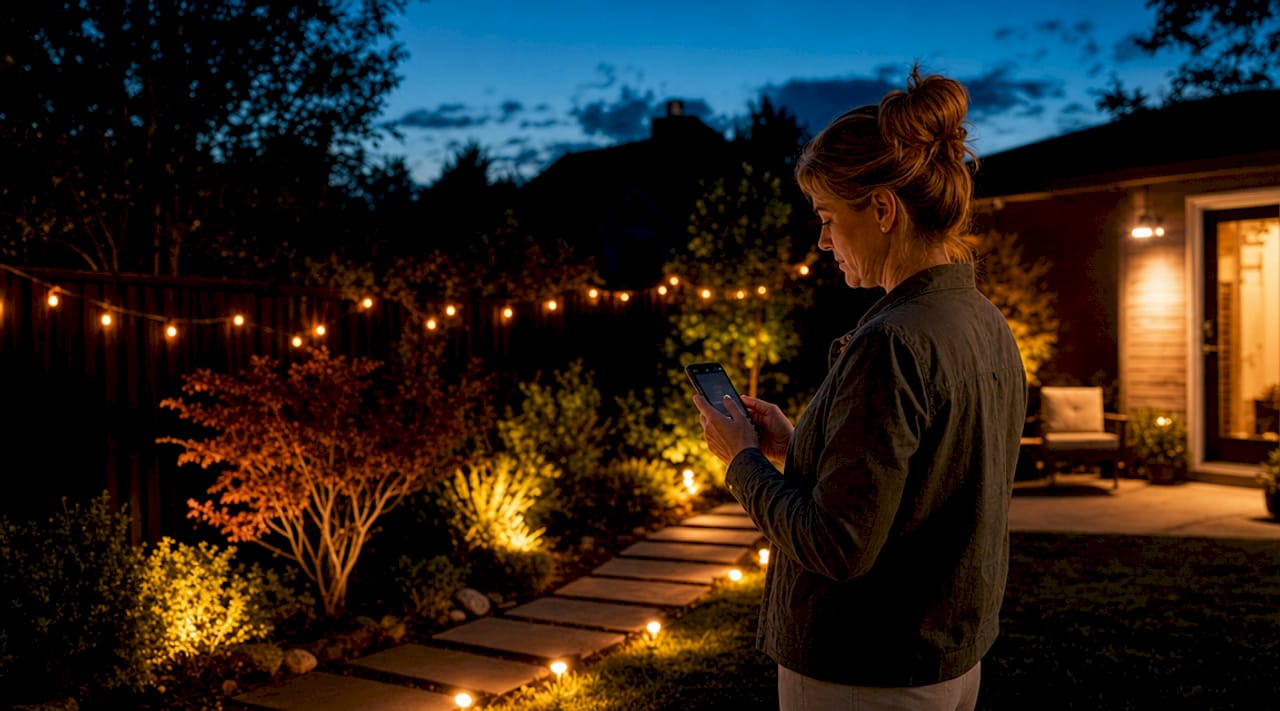
Seasonal lighting automation is the practice of using astronomic timers, smart sensors, and platform-based scheduling to adjust outdoor lighting timing and intensity automatically as day length shifts throughout the year. Fixed timers set in January are wrong by March, leaving lights burning after sunrise or switching off before dusk. The role of seasonal lighting automation is to close that gap permanently, keeping your outdoor spaces looking their best while cutting wasted runtime. At Dfwledpro, we see this firsthand across Arlington, Fort Worth, and Mansfield: homeowners who automate seasonally spend less on electricity and stop touching their timer panels entirely.
How does seasonal lighting automation improve energy efficiency?
Fixed 24-hour schedules are the single biggest source of wasted outdoor lighting energy. A timer set for a 6:00 PM winter sunset will leave lights running two hours past sunset in June. Relying on fixed schedules creates wasted illumination during shoulder seasons that astronomic timers eliminate by continuously tracking local day length. That wasted runtime adds up fast across a full year.
Astronomic timers solve this by calculating local sunrise and sunset times based on your GPS coordinates and the current date. The result is a schedule that self-corrects every single day without any input from you. Astronomical timers reduce outdoor lighting runtime by 1 to 3 hours per night seasonally, yielding 20 to 40 percent annual energy savings. For a home with six outdoor fixtures running nightly, that is a meaningful reduction in your electricity bill.
Here is how the efficiency gains stack up in practice:
- Astronomic tracking adjusts on/off times daily based on actual sunrise and sunset, not a static clock setting.
- Daylight saving compensation happens automatically, so you never lose an hour of coverage or waste one after the clocks change.
- Photosensors prevent lights from activating during overcast daytime hours when ambient light is still sufficient.
- Motion sensors keep security lights off until movement is detected, cutting runtime on fixtures that would otherwise burn all night.
- Dimming controls reduce wattage during low-traffic hours, adding savings on top of the scheduling gains.
“Turning lights off when not needed and dimming when full brightness is unnecessary are the two most effective strategies for outdoor lighting efficiency.” — U.S. Department of Energy
The combination of accurate timing and brightness management is what separates seasonal automation from a simple timer upgrade. One without the other leaves savings on the table.
What technologies and tools power seasonal lighting control?
The market for automated lighting systems has matured significantly, giving homeowners practical options at every price point. Understanding what each tool does helps you choose the right fit for your property.
| Technology | Best for | Key feature |
|---|---|---|
| Legrand astronomic timer | Standalone outdoor circuits | 7 ON/OFF settings per day, battery backup, Title 24 and IECC compliant |
| Home Assistant ha-scheduler | Smart home users | Sun event triggers, holiday calendar imports, overlap conflict detection |
| Homebridge seasons plugin | Apple HomeKit users | Solstice/equinox sensors, hemisphere inversion, dynamic seasonal states |
| Photosensor + timer combo | Budget-conscious setups | Prevents daytime activation, pairs with any standard timer |
| Motion sensor overlay | Security lighting | Activates only on occupancy, reduces idle runtime to near zero |
The Legrand astronomic timer is the most straightforward entry point. It supports up to seven ON/OFF settings per day, includes a rechargeable battery backup to preserve programming during power outages, and meets Title 24 and IECC energy code requirements. For homeowners who want a set-and-forget device without a smart home hub, it is the right call.
For those already running a smart home platform, the options get more capable. The ha-scheduler integration for Home Assistant supports seasonal and holiday lighting schedules with sun event triggers and holiday calendar imports. It also includes overlap detection that prevents conflicting rules from firing simultaneously. The Homebridge seasons plugin exposes dynamic seasonal sensors directly in Apple HomeKit, using solstice and equinox dates to determine the current season and trigger automations accordingly.
Pro Tip: When setting up any astronomic timer, enter your exact ZIP code or GPS coordinates rather than a nearby city. In the Dallas-Fort Worth area, sunset times can vary by several minutes across the metroplex, and precision here directly affects how accurate your schedule stays year-round.
How does combining sensors with seasonal scheduling maximize results?
Scheduling alone handles the when. Sensors handle the how much. Together, they deliver the full range of smart lighting benefits that neither approach achieves independently.
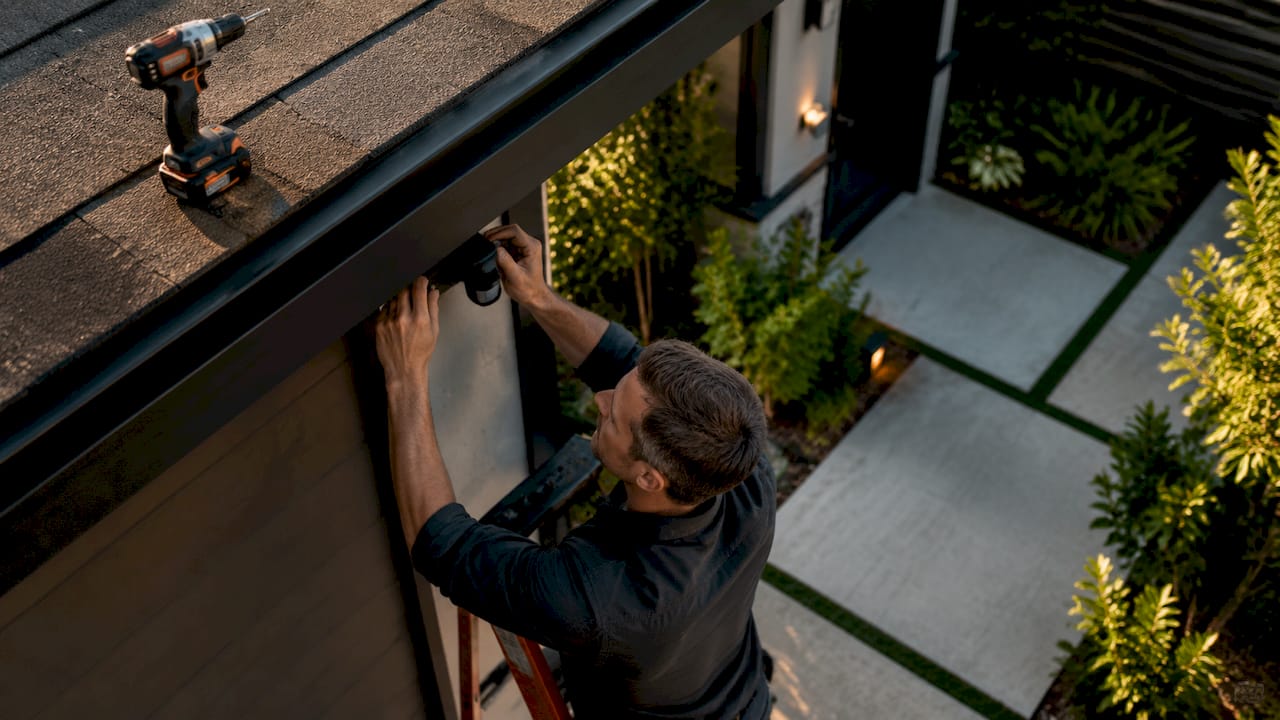
The U.S. Department of Energy confirms that occupancy and photosensors are the most practical tools for outdoor security lighting, with photosensors specifically preventing daytime operation. This matters because even a well-programmed astronomic timer cannot account for an unusually bright overcast afternoon or a motion event at 2 AM. Sensors fill those gaps in real time.
The energy impact of adding sensors to a seasonal schedule is significant:
- Smart lighting with sensors reduces energy consumption by 20 to 40 percent, with further savings of 20 to 60 percent possible depending on occupancy patterns and dimming depth.
- Tunable LED fixtures can shift color temperature throughout the evening, running warmer tones after 9 PM to reduce blue light exposure and support natural sleep cycles.
- Occupancy-based dimming on pathway lights drops output to 30 percent during low-traffic hours and restores full brightness when someone approaches.
- Photosensor overrides prevent activation during bright winter afternoons when the sun sets late relative to your programmed start time.
“Sensor-driven lighting systems not only cut energy use significantly but also support occupant comfort and health by adapting lighting dynamically.” — The Conversation
The health angle is worth taking seriously. Automated lighting design that accounts for color temperature and circadian rhythms improves occupant wellbeing while conserving energy. For outdoor spaces used in the evening, this means your patio or entryway lighting can actively support better sleep rather than working against it.
What practical steps should you take to set up seasonal automation at home?
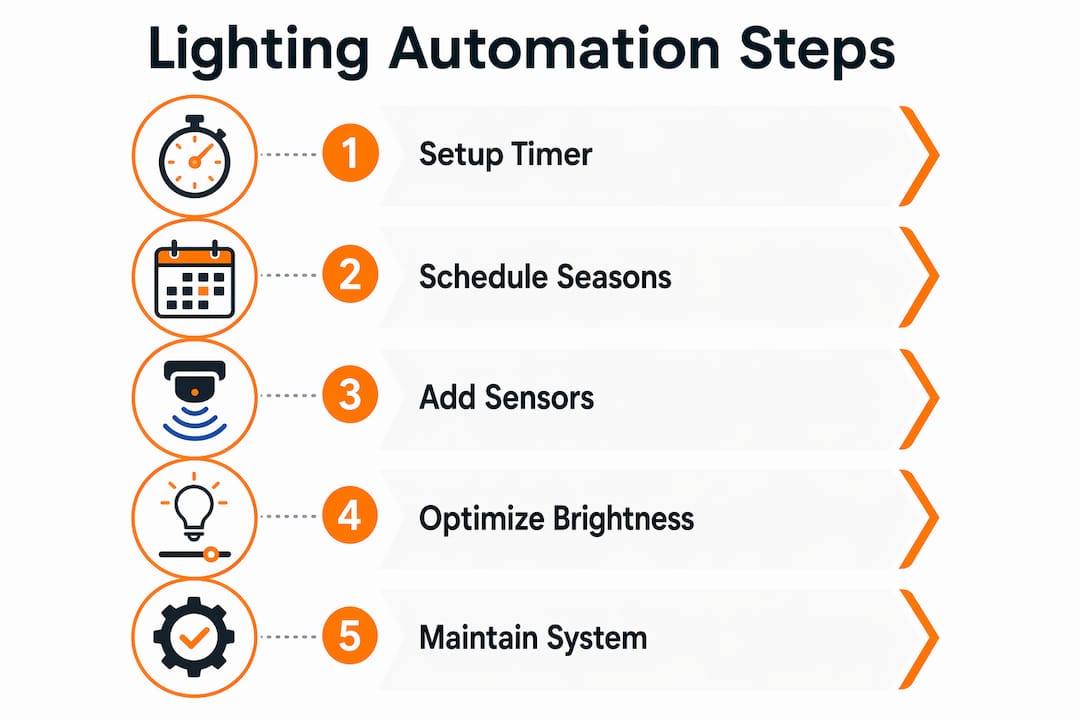
Getting seasonal lighting control right the first time saves you from reprogramming every few months. Follow these steps to build a schedule that holds up across all four seasons.
-
Choose your control device first. If you have a smart home hub like Home Assistant or Apple HomeKit, use a platform integration for maximum flexibility. If you want a standalone solution, a Legrand astronomic timer handles most residential outdoor circuits without any app or hub required.
-
Set your location precisely. Enter your exact ZIP code or GPS coordinates. Astronomic calculations depend on accurate location data, and a few miles of error translates to several minutes of schedule drift per day.
-
Use sunset offsets instead of fixed times. Program your lights to turn on 15 minutes after sunset rather than at a specific clock time. This keeps the schedule accurate as day length shifts from June to December without any manual adjustment.
-
Import a seasonal calendar if your platform supports it. The ha-scheduler integration for Home Assistant supports holiday calendar imports and overlap conflict detection, which prevents your holiday lighting rules from clashing with your standard dusk schedule.
-
Add a photosensor as a failsafe. Even the best astronomic timer benefits from a photosensor override. The sensor prevents activation on bright afternoons and catches edge cases the timer cannot predict.
-
Validate your program after each time change. Check your schedule in March and November after daylight saving transitions. Devices with automatic DST adjustment handle this on their own, but manually programmed timers need a quick review.
-
Test battery backup annually. Devices like the Legrand timer include rechargeable battery backup to preserve settings during outages. Verify the backup is functional before storm season in North Texas.
Pro Tip: Create separate lighting scenes for standard evenings, holiday periods, and late-night hours. Assigning different brightness levels and color temperatures to each scene gives you full aesthetic control without rebuilding your schedule from scratch every season. You can read more about building a custom schedule for DFW properties specifically.
Maintenance is straightforward once the system is running. Check sensor lenses for dirt or spider webs quarterly, since a blocked photosensor will misread ambient light and throw off your schedule. Confirm your astronomic timer firmware is current if it connects to a hub, as manufacturers push updates that improve sunrise/sunset calculation accuracy.
Key takeaways
Seasonal lighting automation delivers consistent outdoor performance and measurable energy savings by replacing static schedules with dynamic, location-aware control that adjusts automatically every day of the year.
| Point | Details |
|---|---|
| Astronomic timers outperform fixed schedules | They track daily sunrise/sunset shifts, reducing runtime by 1 to 3 hours per night and cutting annual energy use by 20 to 40 percent. |
| Sensors multiply the savings | Adding photosensors and motion sensors on top of seasonal scheduling can push total energy reductions to 60 percent under the right conditions. |
| Platform choice determines flexibility | Legrand timers suit standalone setups; Home Assistant and Homebridge plugins suit smart home users who want calendar imports and conflict detection. |
| Sunset offsets beat fixed clock times | Programming lights relative to sunset keeps schedules accurate year-round without manual reprogramming after each season change. |
| Health benefits are real | Tunable lighting that shifts color temperature in the evening supports circadian rhythms and reduces blue light exposure for anyone using outdoor spaces at night. |
Why I think most homeowners underestimate what seasonal automation actually does
I have talked with hundreds of homeowners across the DFW area who installed smart outdoor lighting and then set a fixed 7 PM on-time and called it done. They bought capable hardware and used maybe 20 percent of what it can do. That gap between what the technology offers and how people actually use it is the most consistent pattern I see in this industry.
The energy savings argument is real, but it is not what changes people’s minds. What actually gets homeowners to invest in proper seasonal automation is the aesthetic consistency. When your pathway lights come on exactly at dusk every evening in December and every evening in July without you touching anything, the property looks intentional. It looks maintained. Neighbors notice that. Buyers notice that when the house goes on the market.
The health angle is something most lighting guides skip entirely. Outdoor spaces used in the evening, whether a patio, a pool deck, or a front porch, benefit from warmer color temperatures after 8 PM. Running cool white LEDs at full brightness until midnight is not neutral. It actively suppresses melatonin production for anyone sitting outside. Tunable fixtures on a seasonal schedule can shift automatically to 2700K after a set hour, and that is a feature worth using.
My honest recommendation: do not buy a smart lighting system and then program it like a 1990s mechanical timer. Use the astronomic offset. Add a photosensor. Build at least two scenes. The residential lighting controls that deliver real long-term value are the ones configured to respond to the actual world outside, not a clock on the wall.
— Adrian
How Dfwledpro helps you get seasonal automation right
At Dfwledpro, we are the official authorized JellyFish Lighting dealer for the Dallas-Fort Worth metroplex, serving 35-plus cities including Arlington, Fort Worth, Mansfield, Grand Prairie, and Burleson. JellyFish permanent LED systems are built for exactly this kind of year-round seasonal control, with app-based scheduling, color temperature adjustment, and astronomic timing built into every installation. We handle the configuration from day one so your outdoor lighting responds to every season automatically. Whether you are upgrading a residential property or outfitting a commercial space, our JellyFish commercial LED solutions deliver the energy efficiency and premium appearance that seasonal automation makes possible. Contact Dfwledpro to schedule a consultation and see what your property looks like when the lighting works with the calendar instead of against it.
FAQ
What is the role of seasonal lighting automation?
Seasonal lighting automation adjusts outdoor lighting schedules automatically based on daily shifts in sunrise and sunset times, replacing static clock settings that become inaccurate as seasons change. The result is consistent coverage, reduced energy waste, and zero manual reprogramming throughout the year.
How much energy can seasonal lighting automation save?
Astronomic timers reduce outdoor lighting runtime by 1 to 3 hours per night, producing 20 to 40 percent annual energy savings compared to fixed timers. Adding motion sensors and photosensors can push total reductions to 60 percent depending on occupancy patterns.
Do I need a smart home hub to automate seasonal lighting?
No. Standalone devices like the Legrand programmable astronomic timer work independently without any hub, app, or internet connection. Smart home platforms like Home Assistant and Apple HomeKit add features like calendar imports and conflict detection, but they are not required for basic seasonal automation.
Can seasonal lighting automation work with holiday decorative lighting?
Yes. Platforms like Home Assistant with the ha-scheduler integration support holiday calendar imports and include overlap detection to prevent standard dusk schedules from conflicting with holiday lighting rules. This lets you run both programs simultaneously without one overriding the other.
Is seasonal lighting automation worth it for a single-family home?
For any home with outdoor lighting that runs nightly, the answer is yes. The energy savings alone typically offset the cost of an astronomic timer within one to two seasons, and the convenience of a self-adjusting schedule removes a recurring maintenance task entirely.