What Is Smart Home Exterior Lighting? A 2026 Guide
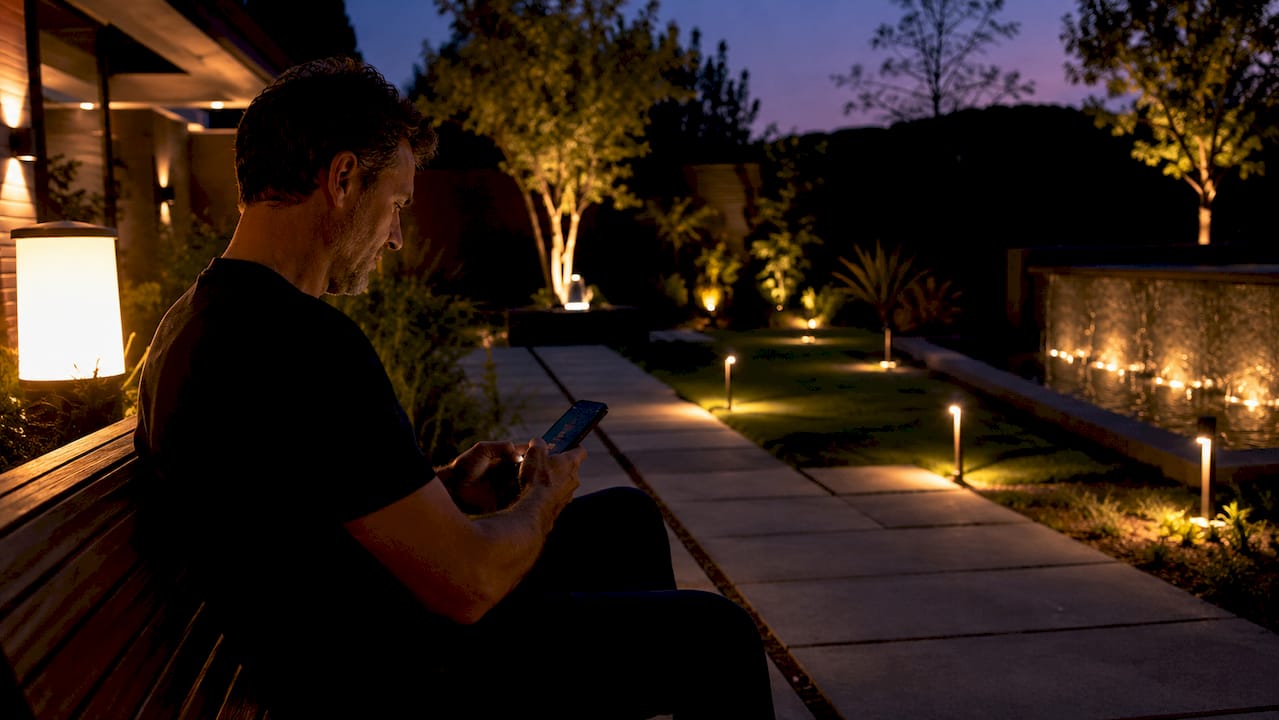
Smart home exterior lighting is a network of outdoor fixtures you control remotely through apps, voice assistants, and automated schedules to improve your home’s security, curb appeal, and energy efficiency. Unlike traditional outdoor lights that flip on at dusk and off at dawn, these systems respond to motion, weather, time of day, and your own routines. Brands like Philips Hue, eufy, and Linkind have made smart outdoor lighting accessible to most homeowners. Integration with Alexa, Google Assistant, and Apple HomeKit means your exterior lights work as part of a larger smart home ecosystem, not just as standalone fixtures.
What is smart home exterior lighting and how does it work?
Smart home exterior lighting connects outdoor fixtures to your home network using Wi-Fi, Zigbee, Z-Wave, or the newer Matter protocol. Once connected, you control brightness, color, schedules, and motion responses from a smartphone app or voice command. The system replaces the old “set it and forget it” timer with adaptive, real-time control.
The core components of any smart outdoor lighting setup include:
- Smart bulbs installed in existing outdoor sockets and sconces
- Integrated smart fixtures such as floodlights, pathway lights, and wall-mounted security lights
- Low-voltage permanent LED systems that mount along rooflines and architectural features
- Controllers and hubs that manage communication between fixtures and your network
- Motion sensors built into fixtures or installed separately
Sensor technology matters more than most homeowners realize. Radar-based motion detection reduces false alarms by up to 98% compared to traditional PIR sensors. That means fewer lights triggered by passing cars or blowing leaves, and more reliable alerts when someone actually approaches your home.
Durability is built into the fixtures themselves. Products like the Linkind HP5 carry IP67 waterproof ratings and operate in temperatures from -4°F to 140°F, with lifespans up to 50,000 hours. That range covers Texas summers and northern winters without issue.
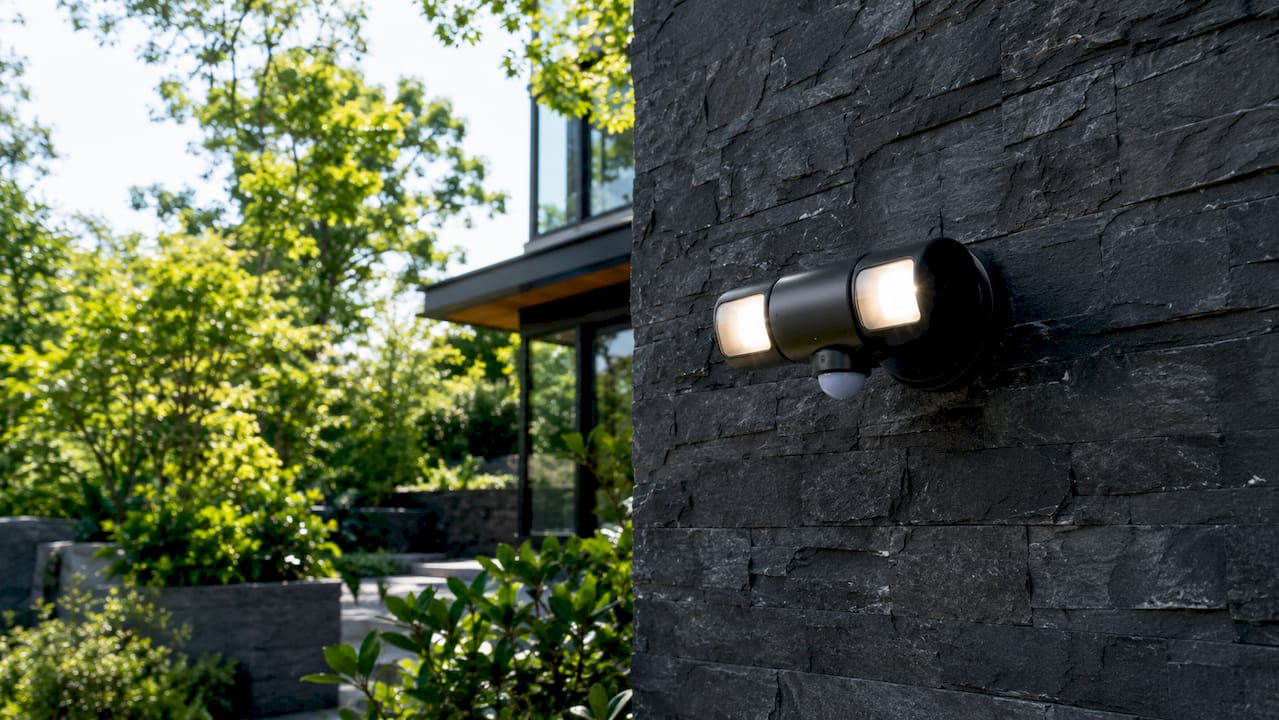
Pro Tip: Wi-Fi signal outdoors is almost always weaker than indoors. Before buying fixtures, check your signal strength at the farthest installation point. If it drops below two bars, plan for a mesh network extender or choose Zigbee and Z-Wave fixtures that use a hub instead of direct Wi-Fi.
Key benefits of smart outdoor lighting for homeowners
Smart outdoor lighting delivers four distinct advantages that go well beyond simply illuminating your driveway.
-
Security you can count on. Motion-triggered lights that improve camera footage quality deter intruders more effectively than static lighting. A well-lit camera frame captures faces and license plates. A dark yard captures nothing useful.
-
Aesthetic control on demand. Customizable color temperatures and RGB color options let you shift from warm white for everyday curb appeal to full-color displays for holidays. Permanent LED systems like JellyFish Lighting give you the look of Christmas lights year-round without the seasonal hassle of hanging and removing strands.
-
Real energy savings. Automated scheduling based on sunset and sunrise eliminates the waste of lights running all night when no one is outside. Motion-activated zones mean lights only run when needed. Replacing rigid seasonal timers with adaptive smart systems synchronizes lighting to actual environmental conditions, not a fixed clock.
-
Convenience that compounds. Remote control from anywhere means you can turn on your porch light before you pull into the driveway or check that your backyard is lit while you are traveling. Vacation mode simulates occupancy by varying light patterns, which is one of the most effective low-cost deterrents for opportunistic break-ins.
“Smart outdoor lighting is a core security feature that simulates occupancy and deters intruders beyond purely decorative purposes.” — brightsmarthome.com
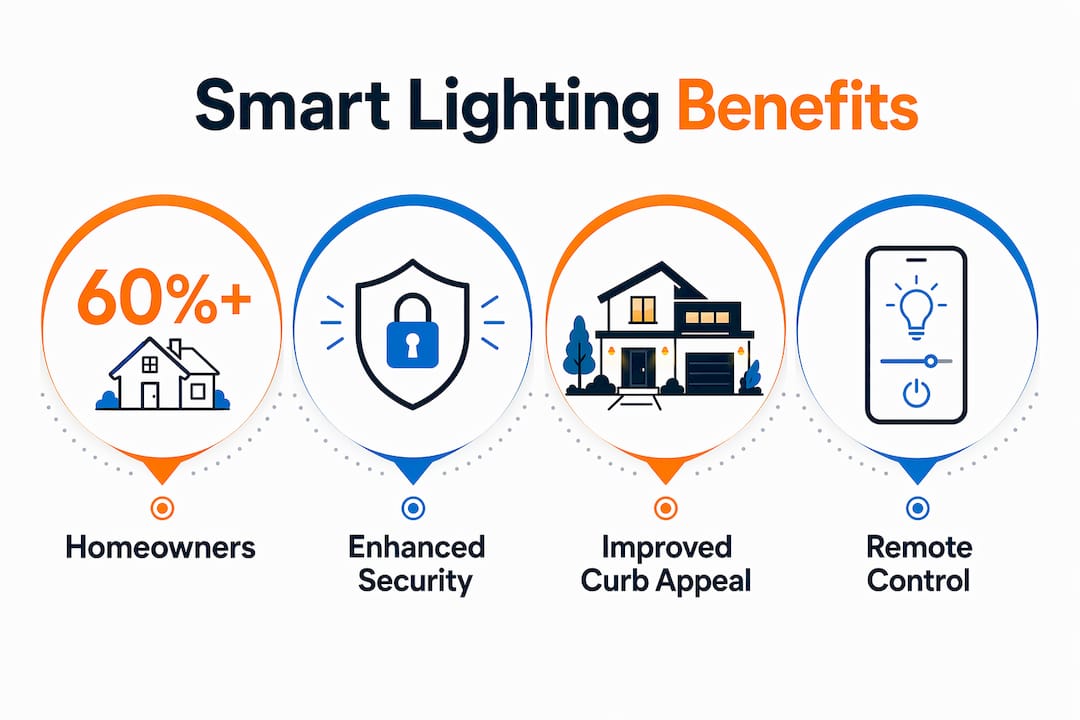
Over 60% of homeowners prioritize exterior lighting upgrades for both security and curb appeal. The challenge most run into is incompatible devices and poor outdoor Wi-Fi coverage, both of which are solvable with the right planning.
Comparing smart outdoor lighting types: which one fits your home?
Not every smart lighting product suits every situation. The table below breaks down the main product types by key factors.
| Type | Best use case | Durability | Installation | Cost range |
|---|---|---|---|---|
| Smart bulbs | Porch sockets, sconces | Moderate (IP44–IP65) | DIY, minutes | Low |
| Integrated floodlights | Driveways, garages, entries | High (IP65–IP67) | DIY to moderate | Medium |
| Permanent low-voltage LED | Full roofline and architectural coverage | Very high (IP67+) | Professional | Medium to high |
| Smart string lights | Patios, pergolas, events | Low to moderate | DIY | Low |
| Pathway and landscape lights | Gardens, walkways, borders | High (IP65+) | DIY to moderate | Low to medium |
Permanent low-voltage systems deserve special attention. These fixtures mount directly to your home’s fascia or trim and stay in place year-round. You change colors and patterns through an app, not by climbing a ladder. For homeowners who want smart garden lighting ideas that cover both security and aesthetics without seasonal reinstallation, permanent systems are the strongest long-term investment.
Ecosystem compatibility is the other factor most buyers overlook. Before purchasing any fixture, confirm it works with your existing hub or voice assistant. Products certified under the Matter protocol work across Alexa, Google Home, and Apple HomeKit without requiring separate bridges. That single compatibility standard has simplified purchasing decisions significantly since its widespread adoption.
Practical tips for installing and maintaining smart exterior lights
Installation mistakes are the most common reason smart outdoor lighting systems underperform. These tips address the issues we see most often.
Connectivity first. Mesh networks or hub-based protocols like Zigbee and Matter-over-Thread provide more reliable outdoor coverage than standard Wi-Fi. If your router sits in the center of your home, your backyard fixtures are likely operating at the edge of usable signal range.
Protect your power supply. Smart light fixtures themselves often carry IP67 ratings, but controllers and power adapters frequently do not. Install these components in a dry, protected location such as a garage wall or covered eave. Moisture exposure to an unprotected controller is the leading cause of premature system failure.
Plan your zones before you buy. The most effective smart outdoor lighting setups use zone-based control to handle front porch security, pathway lighting, and backyard ambiance as separate, independently controlled areas. Trying to manage your entire exterior with one global setting wastes the system’s capabilities.
Additional maintenance practices that extend system life:
- Check manufacturer apps for firmware updates every 90 days
- Clean fixture lenses twice a year to maintain light output
- Inspect mounting hardware after severe weather events
- Test motion sensor sensitivity settings seasonally as foliage changes
Pro Tip: When planning zones, overlay your security camera coverage areas on a simple sketch of your property. Place motion-triggered lights so they activate within each camera’s field of view. This directly improves video quality when motion is detected.
How to integrate smart outdoor lighting with your smart home
Smart outdoor lighting reaches its full potential when it connects to the rest of your home’s devices. The Matter protocol makes this straightforward by allowing fixtures to communicate with Alexa, Google Home, and Apple HomeKit from a single setup.
Practical integrations worth building into your system:
- Security cameras and video doorbells. Aligning motion sensor zones with camera coverage improves video clarity and creates a coordinated deterrent. When the camera detects motion, the lights trigger simultaneously.
- Smart locks. Program your front porch light to turn on automatically when the lock disengages after dark. This is a simple routine with a real safety payoff.
- Arrival and departure routines. Use geofencing in apps like Google Home or Amazon Alexa to trigger lighting scenes when you arrive home or leave. Your driveway lights up before you pull in.
- Vacation and away modes. Schedule varied light patterns across multiple zones to simulate normal occupancy. Static timers are predictable. Varied smart routines are not.
- Weather-responsive automation. Some platforms connect to local weather data and adjust schedules based on cloud cover or storms, so lights activate earlier on overcast evenings.
For a deeper look at connecting fixtures to home automation platforms, the Alexa, Google, and Control4 integration guide from Dfwledpro covers the setup process in detail.
Key takeaways
Smart home exterior lighting combines networked outdoor fixtures, motion sensors, and app control to deliver security, energy savings, and aesthetic flexibility from a single system.
| Point | Details |
|---|---|
| Core technology | Smart fixtures use Wi-Fi, Zigbee, Z-Wave, or Matter to connect to your home network and respond to automation. |
| Security advantage | Radar-based motion sensors reduce false alarms by up to 98% and improve security camera footage quality. |
| Energy savings | Automated scheduling and motion-activated zones eliminate wasted runtime compared to fixed timers. |
| Zone-based control | Dividing your property into front, side, and backyard zones gives you precise, independent control over each area. |
| Installation priority | Protect power adapters and controllers from moisture, and confirm outdoor Wi-Fi coverage before purchasing fixtures. |
What I have learned from hundreds of smart lighting installs
After working on smart exterior lighting projects across the Dallas-Fort Worth area, the pattern I see most often is homeowners buying excellent fixtures and then connecting them to a poor foundation. The lights themselves are rarely the problem. Weak outdoor Wi-Fi, exposed power supplies, and no zone planning are responsible for most of the frustration I hear about.
The second mistake is treating smart lighting as purely decorative. The security value is real and measurable. A home with motion-triggered lights aligned to camera coverage zones is a harder target than one with static porch lights. That coordination matters more than the brand of fixture you choose.
My honest recommendation is to start with your connectivity infrastructure and your zone map before you buy a single fixture. Decide where your security zones are, where your aesthetic zones are, and what protocols your existing smart home devices use. Then buy fixtures that fit that plan. Spending more on a premium fixture that drops off your network every week is a worse outcome than buying a mid-range fixture with solid, reliable connectivity.
Durability ratings also deserve more attention than they get. In North Texas, summer heat pushes ambient temperatures well above 100°F, and fixtures mounted on south-facing rooflines get even hotter. IP67 ratings and wide operating temperature ranges are not marketing details. They are the difference between a system that lasts a decade and one you are replacing in three years.
— Adrian
Get permanent smart LED lighting installed by Dfwledpro
If you are ready to move beyond plug-in bulbs and temporary string lights, Dfwledpro installs permanent JellyFish LED lighting systems across 35+ cities in the Dallas-Fort Worth metroplex, including Arlington, Mansfield, Fort Worth, and Cedar Hill.
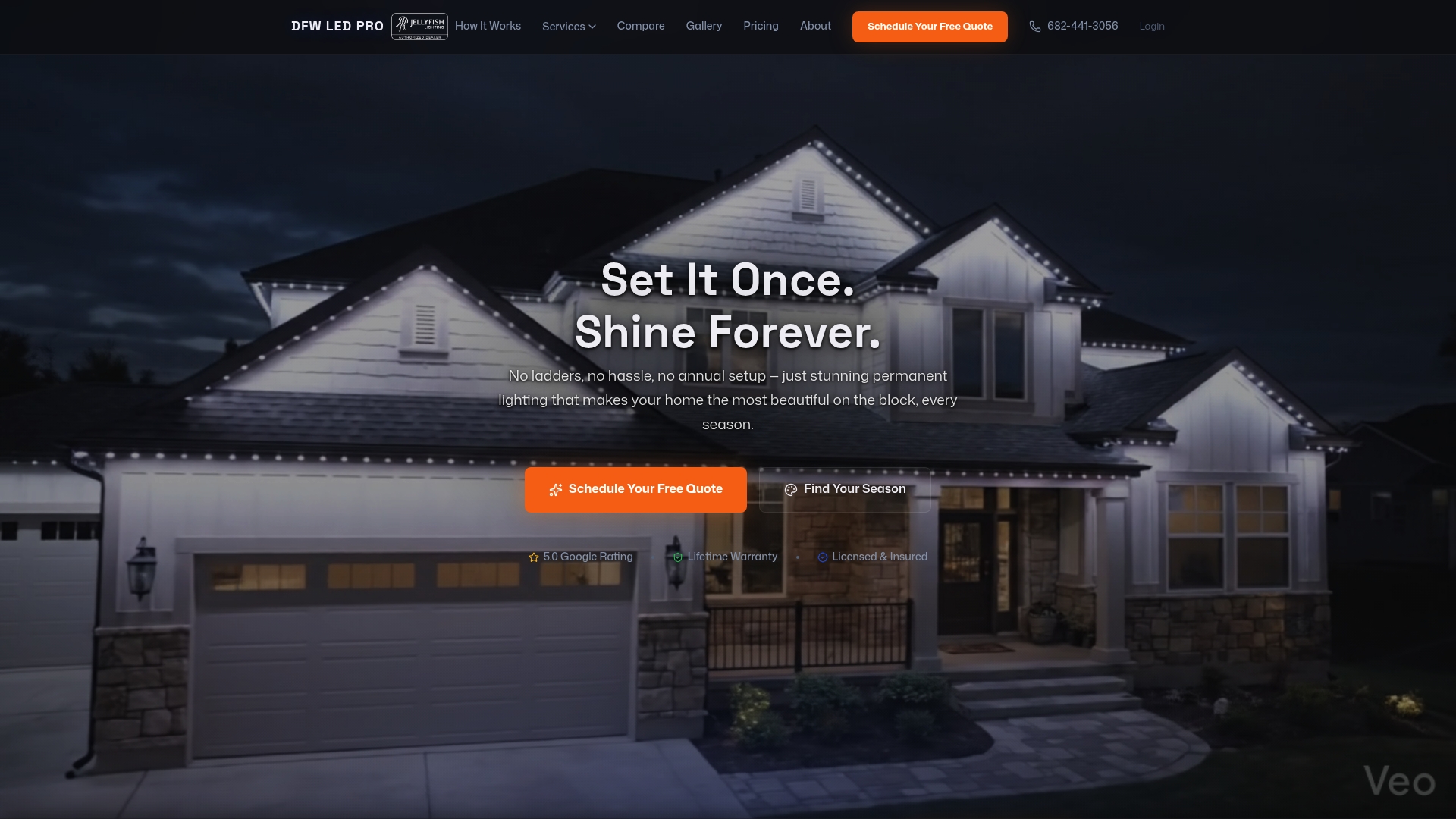
JellyFish systems mount directly to your home’s trim and stay in place year-round. You control colors, schedules, and scenes from a smartphone app. Our team handles placement planning, connectivity setup, and ongoing support so your system performs reliably from day one. Explore permanent LED installation in Lancaster, TX or visit dfwledpro.com to learn about options across the full DFW service area. We also offer JellyFish accent and security lighting for homeowners who want both curb appeal and a real security upgrade in one system.
FAQ
What is the difference between smart and regular outdoor lights?
Regular outdoor lights operate on fixed timers or manual switches. Smart outdoor lights connect to your home network and respond to motion, schedules, voice commands, and app control in real time.
Do smart outdoor lights work without Wi-Fi?
Many smart fixtures use Zigbee or Z-Wave protocols that communicate through a hub rather than direct Wi-Fi. These systems remain functional even when your internet connection drops, as long as the hub is operational.
How long do smart outdoor LED fixtures last?
Quality smart outdoor LED fixtures carry lifespans up to 50,000 hours. At eight hours of use per night, that equals over 17 years of runtime before the LEDs degrade significantly.
Can smart outdoor lights improve home security?
Smart outdoor lighting improves security by triggering motion-activated illumination that enhances security camera footage and deters intruders. Aligning light zones with camera coverage areas produces the strongest combined effect.
What is the Matter protocol and why does it matter for outdoor lighting?
Matter is a universal smart home standard that allows fixtures from different brands to work with Alexa, Google Home, and Apple HomeKit without separate bridges. It simplifies setup and protects your investment if you switch platforms later.