Popular LED lighting colors for South DFW homes
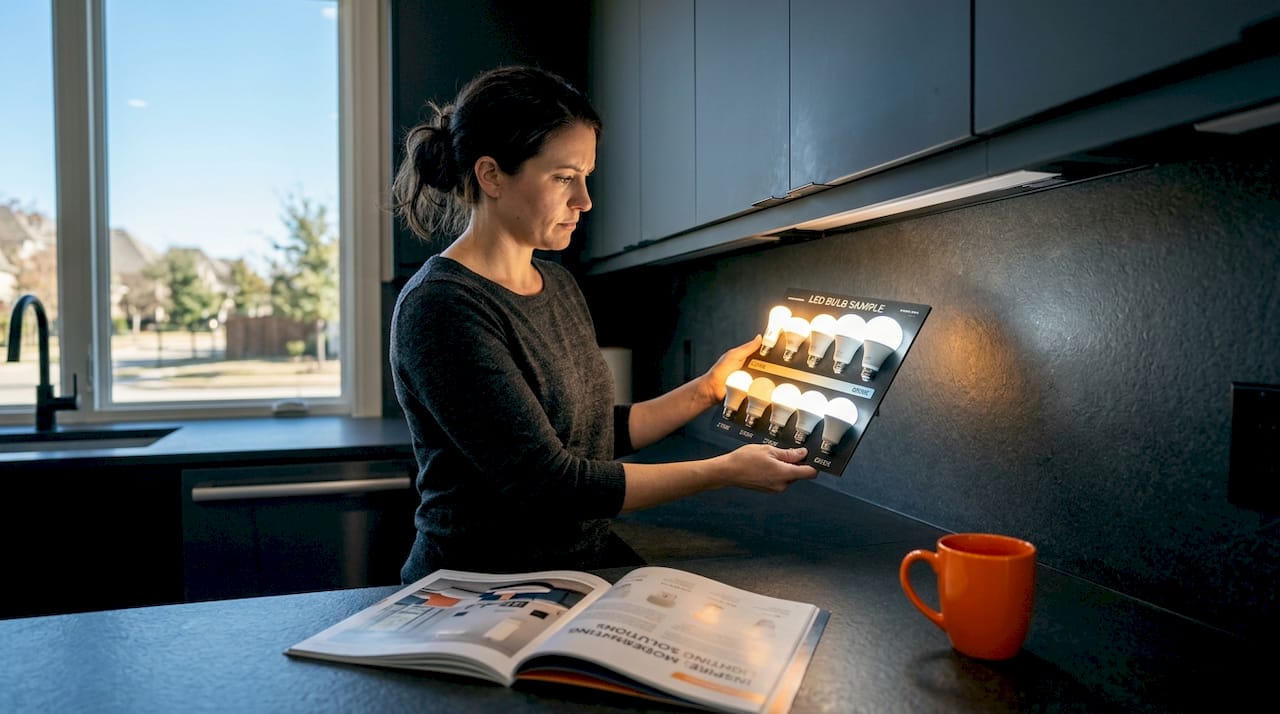
Choosing the right outdoor lighting color feels simple until you’re standing in a home improvement store staring at a wall of bulbs labeled warm white, daylight, and RGB. For homeowners across South DFW cities like Mansfield, Burleson, Cedar Hill, and Midlothian, popular LED lighting colors are more than a style decision. The right color temperature affects how your patio feels at night, how your driveway looks to guests, and whether your lighting complies with local guidelines. This article walks you through everything you need to know, from Kelvin basics to color-tunable technology, to help you make a confident choice.
Table of Contents
- Understanding LED color temperature and its impact
- Popular outdoor LED colors for South DFW homes
- Color-tunable and RGB LEDs: versatile options for dynamic outdoor lighting
- Comparing popular LED lighting colors: features, pros, and ideal uses
- Choosing the right LED lighting color for your South DFW outdoor space
- Rethinking LED color choices: balancing aesthetics, function, and community impact
- Explore professional LED lighting solutions for your South DFW home
- Frequently asked questions
Understanding LED color temperature and its impact
To choose the right LED colors, start by understanding what the terms warm, neutral, and cool mean in LED lighting. The single most important concept here is color temperature, measured in Kelvin (K). It has nothing to do with how hot the bulb runs. It tells you the tone of the light it produces.
LED lighting colors are described using correlated color temperature (CCT) in Kelvin: warmer LEDs fall at the lower end of the Kelvin scale and look more yellow, while cooler LEDs sit at the higher end and look more blue-white. Here is how the ranges break down:
- Warm white (2700K–3000K): Yellowish, amber-tinted light that feels cozy and inviting. This is what most people picture when they imagine a well-lit patio or front porch.
- Neutral white (3500K–4100K): Balanced, natural-looking white light. Not too warm, not too harsh. Works well for walkways and mixed-use zones.
- Cool white / daylight (5000K–6500K): Crisp, blue-white light that reads as very bright and clean. Best for task-oriented spaces, not relaxation.
Color temperature shapes how a space feels, not just how it looks. A 3000K patio feels like an evening gathering spot. The same space lit at 5500K feels like a parking lot. Understanding this is the foundation for everything else in your lighting plan. For more context on how these terms apply in practice, our lighting terminology guide is a good starting point.
Popular outdoor LED colors for South DFW homes
Now that you know what Kelvin values mean, let’s explore which popular LED colors suit South DFW outdoor environments best. Texas summers are brutal, evenings on the patio are precious, and curb appeal matters in tight-knit neighborhoods from Grand Prairie to Crowley.
Warm white (2700K–3000K) is the most requested color range we install across South DFW. Warm white light carries noticeable yellow and amber undertones that feel inviting and relaxed, making it among the most popular choices for residential outdoor ambiance. Patios, pergolas, front entrances, and landscaping all benefit from this range.
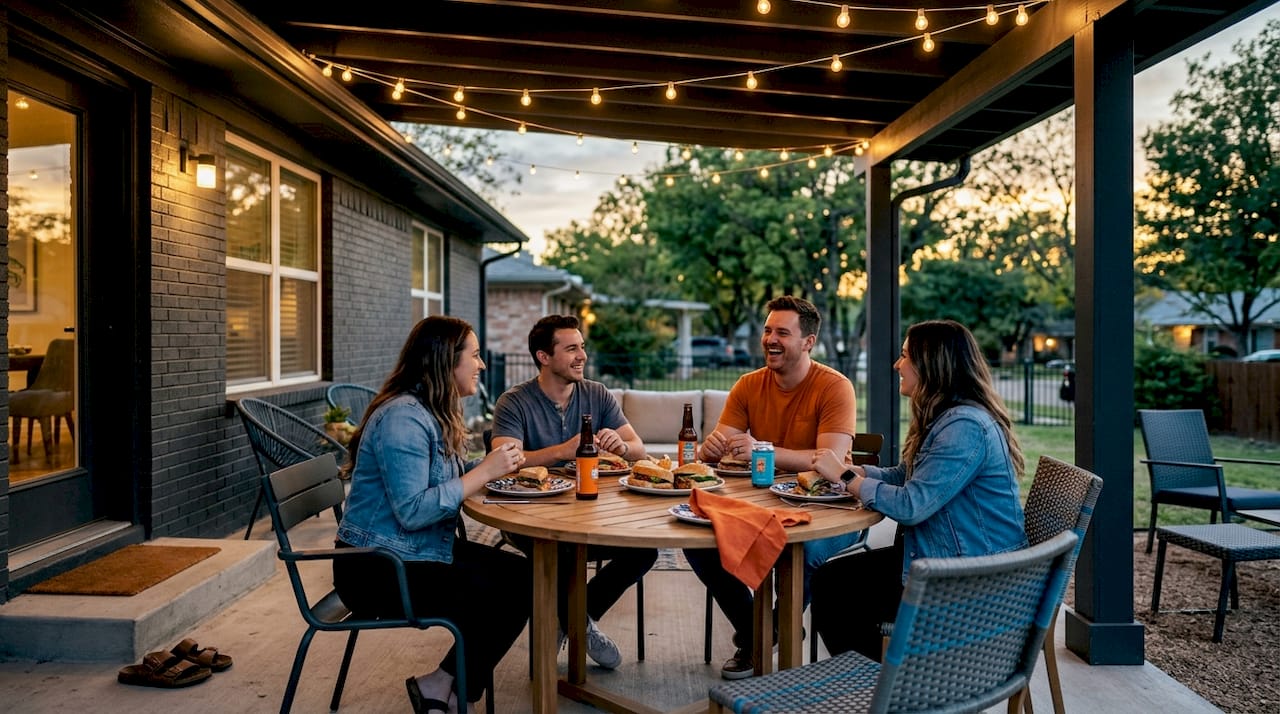
Neutral white (3500K–4100K) earns its place in utility-driven zones. Walkways where guests need to see their footing, side yards, and outdoor kitchens where you are actually working benefit from the extra clarity this range provides without the harshness of daylight LEDs.
Cool white and daylight (5000K–6500K) deliver sharp brightness. Driveways and garage entries where you want maximum visibility fall into this category. However, this range is not ideal for sitting areas. The blue-white tone raises alertness and reduces the warm, settled feeling most homeowners want outdoors at night.
One factor that South DFW homeowners often overlook: local ordinances and environmental guidelines are increasingly restricting outdoor lighting. Many dark-sky-oriented requirements cap outdoor installations at around 3000K, requiring full-cutoff shielding to limit glare and uplight. Choosing warm white early keeps you ahead of those rules.
Here is a quick summary of popular colors by outdoor zone:
- Patios and sitting areas: 2700K–3000K warm white
- Front entries and porches: 2700K–3000K warm white
- Walkways and garden paths: 3000K–4000K neutral to warm white
- Driveways and security zones: 4000K–5000K, with shielding
- Landscape accent lighting: 2700K–3000K with directional fixtures
For more detail on how these color choices apply to specific outdoor lighting features for DFW homes, we cover the full breakdown there.
Color-tunable and RGB LEDs: versatile options for dynamic outdoor lighting
Beyond fixed color temperatures, color-tunable and RGB LEDs provide flexible, stylish options for homeowners who want to customize their outdoor ambiance for different seasons, events, or moods.
The U.S. Department of Energy identifies three types of color-tunable LED products: dim-to-warm, white-tunable, and full-color-tunable. Each serves a different purpose.
- Dim-to-warm LEDs: These automatically shift to a warmer, lower Kelvin color when dimmed. As you turn the light down, it mimics the behavior of a traditional incandescent or flame. Great for evening patio settings.
- White-tunable LEDs: You can independently adjust the color tone from warm to cool without changing brightness. This is useful if you use the same space for morning coffee and late-night entertaining.
- Full-color-tunable LEDs: These can produce a wide range of colors and scenes, from a soft amber wash to a vivid blue for holidays or game nights.
Then there are RGB and RGBW systems. RGB LEDs combine red, green, and blue diodes to create colors, but pure RGB struggles to produce a convincing neutral white. RGBW and RGBWW products add a dedicated white LED channel, solving that problem and making them far more practical for outdoor residential use where you want both color effects and clean white light on the same fixture.
JellyFish Lighting systems, which we install across South DFW, fall into this category. They give you millions of color combinations and permanent installation with the ability to switch between warm white for daily use and full color for holidays. Our dynamic color changing lighting guide covers how this technology works in a real home setting.
Pro Tip: If you want an RGBW system for holiday color effects but still need everyday warm white, choose a system with a dedicated warm white channel (RGBWW) rather than relying on the RGB mix for white tones. The difference in quality is noticeable.
Comparing popular LED lighting colors: features, pros, and ideal uses
Let’s compare these popular LED colors side-by-side to see their key features and best outdoor uses.
| Color type | Kelvin range | Tone | Best outdoor use | Dark-sky friendly? |
|---|---|---|---|---|
| Warm white | 2700K–3000K | Yellowish, cozy | Patios, porches, landscaping | Yes, with shielding |
| Neutral white | 3500K–4100K | Balanced, natural | Walkways, outdoor kitchens | Borderline |
| Cool white / daylight | 5000K–6500K | Blue-white, crisp | Driveways, security lighting | No |
| RGB | Variable | Full color range | Decorative, seasonal | Depends on use |
| RGBW / RGBWW | Variable + white | Full color + true white | Year-round decorative + daily use | Depends on use |
A few things stand out from this comparison worth calling out directly:
- Brightness is not the same as color temperature. A daylight LED is not necessarily brighter than a warm LED with the same lumen output. Lumens control brightness. Kelvin controls tone. Confusing the two leads homeowners to over-light spaces unnecessarily.
- Cool white may cause compliance issues. Dark-sky requirements cap outdoor LED color temperature at 3000K with full-cutoff shielding to reduce glare and light pollution, which means cool white fixtures could violate local rules in some South DFW jurisdictions.
- RGB alone is not a substitute for white light. If you want both color and white performance, RGBW is the practical choice.
Pro Tip: When comparing LED fixtures, check the lumen output per watt (luminous efficacy). A warm white fixture at 2700K can deliver the same usable light as a cool white fixture consuming the same power. You do not need to go cooler to get more light.
Our resource on how to choose LED lights for DFW homes goes deeper on what specs actually matter when you are shopping for fixtures.
Choosing the right LED lighting color for your South DFW outdoor space
With this understanding, you can confidently select LED colors that meet your outdoor needs and preferences. Here is a practical approach we recommend to homeowners across South DFW.
- Map your outdoor zones. Walk your property and categorize each area: relaxation zones (patio, pergola, pool deck), safety zones (driveway, walkways, stairs), and decorative zones (landscape beds, roofline, trees).
- Assign color temperatures by zone. Use warm whites (2700K–3000K) in relaxation areas. Use neutral to cooler whites (4000K–5000K) in safety zones. Reserve decorative color effects for accent and roofline lighting.
- Build in dimming. Pairing warmer color temperatures around 2700K–3000K with dimming and layering creates better outdoor evening ambiance than a single brightness level. Dimming also reduces energy use, which matters when lights run all evening.
- Check local dark-sky rules. Some South DFW municipalities have or are adopting ordinances that restrict LED color temperature outdoors. Confirm the rules for your city before selecting fixtures.
- Layer your lighting. A single floodlight is not a lighting plan. Combine ambient lighting (overall glow), accent lighting (highlighting features), and task lighting (safety and function) for results that look intentional.
For homeowners specifically comparing the energy savings angle, our article on LED lights for South DFW homes covers the numbers in detail.
Pro Tip: Start with warm white as your default outdoor color. You can always add color-tunable or RGB fixtures later for accent effects. Warm white rarely looks wrong outdoors, and it keeps you inside dark-sky guidelines from the start.
Rethinking LED color choices: balancing aesthetics, function, and community impact
Here is something we do not say enough: most homeowners overthink the color temperature decision and underthink everything else. The biggest lighting mistakes we see across South DFW are not about picking 2800K instead of 3000K. They are about aiming fixtures at the sky, using too many lumens in the wrong direction, and installing without any shielding. Those choices cause glare, neighbor complaints, and the kind of light pollution that erases the night sky over neighborhoods in Cedar Hill and Midlothian.
The “cooler equals brighter” mindset is one of the most stubborn misconceptions in residential lighting. Homeowners choose 5000K or 6000K fixtures thinking they are getting more light, when in reality they are getting the same lumens with a harsher tone. That misunderstanding pushes outdoor residential lighting toward a blue-white wash that serves no practical purpose in a backyard setting.
What actually reduces light pollution and improves outdoor lighting quality is shielding and aim. Emerging outdoor requirements are pushing toward 3000K caps and full-cutoff fixtures precisely because that combination reduces glare and uplight more effectively than Kelvin alone. A 5000K fixture aimed properly with full cutoff still outperforms a 2700K fixture blasting light in every direction.
Our perspective: color temperature is the starting point, not the destination. Choose warm white (2700K–3000K) as your baseline, select fixtures with full-cutoff design, aim light downward and outward, and dim it where you can. Those four decisions do more for your outdoor space than any amount of Kelvin debate. They also make you a better neighbor.
Explore professional LED lighting solutions for your South DFW home
Ready to enhance your outdoor space with expert lighting solutions? At DFW LED Pro, we install permanent outdoor LED lighting systems for homeowners across South DFW, from Lancaster and Dallas to Burleson and Grand Prairie. We work exclusively with JellyFish landscape lighting, which means you get color-tunable RGBW technology with a permanent, weather-resistant installation built for Texas conditions.
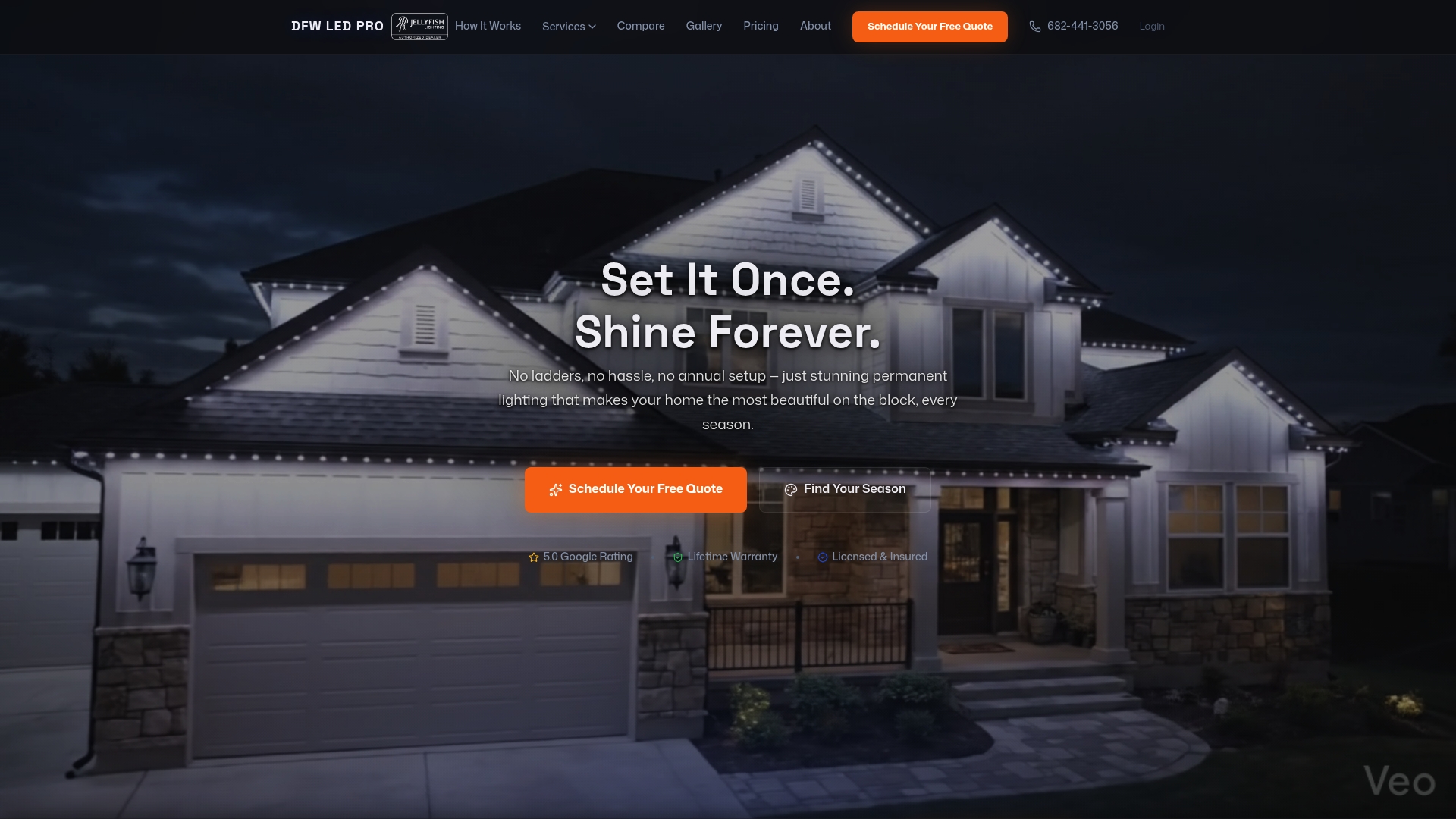
Whether you are looking for warm white permanent lighting that meets dark-sky guidelines or a full-color system for holidays and events, we help you select the right LED color options for your specific outdoor zones. Our team handles design, installation, and support. If you are in the Lancaster or Dallas area, explore our dedicated service pages for permanent LED lights Lancaster TX and permanent LED lights Dallas TX to learn more about what we offer in your city. Contact us to schedule a consultation and get your outdoor lighting right the first time.
Frequently asked questions
What is the most popular LED lighting color temperature for outdoor residential use?
Warm white LEDs in the 2700K to 3000K range are the most popular choice for outdoor residential spaces because they create an inviting ambiance while minimizing blue light. Soft white and warm white at this range are consistently recommended for residential outdoor ambiance.
Does a higher LED color temperature mean the light is brighter?
No. Brightness depends on lumens, not color temperature. A cooler daylight LED is not necessarily brighter than a warm white LED if both produce the same lumen output.
Are there outdoor lighting regulations affecting LED color choices in South DFW?
Yes. Many 2026-era outdoor requirements cap outdoor LED color temperature at 3000K and require full-cutoff shielding to reduce glare and light pollution, which directly affects color choices for South DFW homeowners.
What are the benefits of color-tunable LED lights for outdoor use?
Color-tunable LEDs let you adjust color temperature or hue with dimming or scene controls, so you get flexible ambiance without swapping fixtures. The three main types are dim-to-warm, white-tunable, and full-color-tunable, each offering different levels of control.
How do RGB and RGBW LEDs differ for outdoor lighting colors?
RGB LEDs mix red, green, and blue to produce colors but struggle with true neutral whites. RGBW adds a dedicated white channel that produces cleaner warm and neutral white tones, making it a more practical choice for outdoor residential lighting that needs to serve both everyday and decorative functions.