LED’s Role in Modern Home Design: 2026 Guide
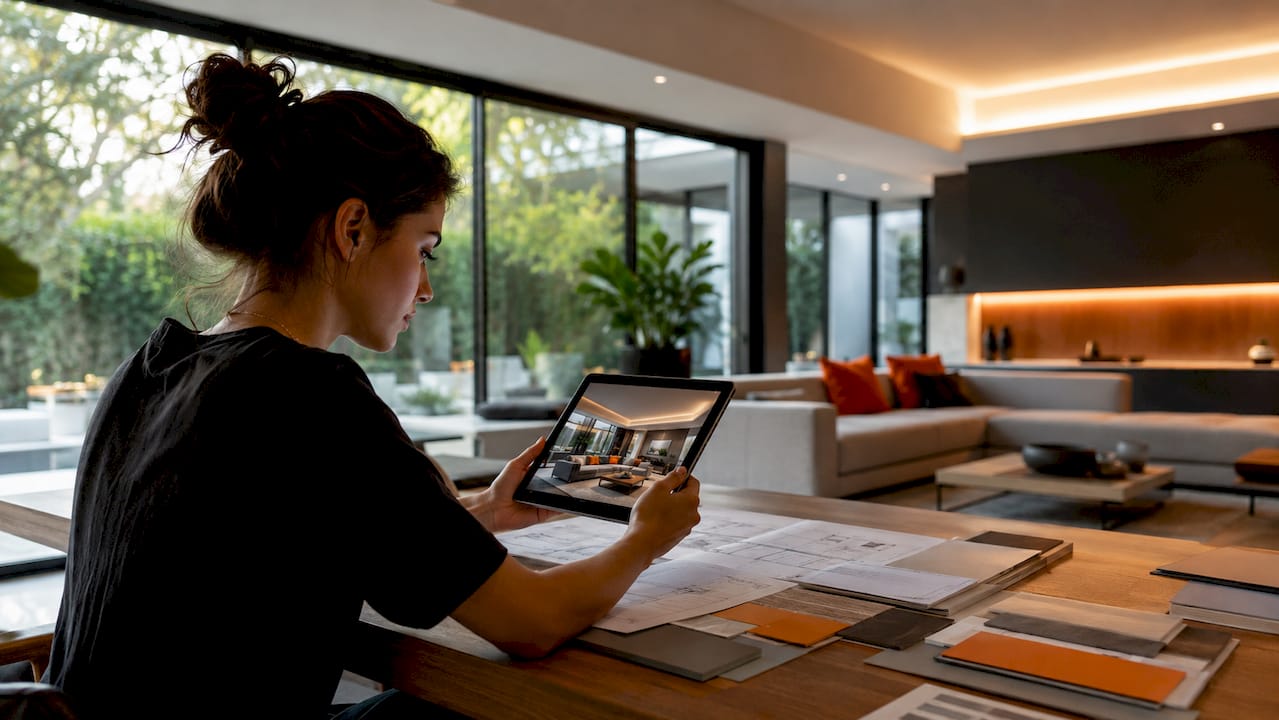
LED lighting is the foundational element of modern home design, delivering aesthetic flexibility, energy savings, and smart-home compatibility that no previous lighting technology could match. The role of LED in modern home design has shifted from simple energy-efficient replacement to a full design discipline. Brands like Panasonic, JellyFish Lighting, and Control4 now build entire product lines around LED integration. LEDs last 25,000–50,000 hours, which is 15–25 times longer than a standard incandescent bulb. That lifespan alone changes how you plan, budget, and design your home’s lighting from the ground up.
How does LED lighting shape modern home design?
The role of LED in modern home design goes far beyond swapping out old bulbs. LEDs enable fixture profiles so slim and compact that designers can embed light directly into ceilings, walls, furniture, and architectural trim. That was physically impossible with incandescent or halogen technology, which required bulky sockets and heat-dissipating housings.
Layering ambient, task, and accent lighting with LEDs is the core principle behind effective interior lighting design. Ambient light fills the room with a base level of illumination. Task lighting targets specific work areas like kitchen counters or reading nooks. Accent lighting draws attention to artwork, architectural features, or textured walls. Together, these three layers create spaces that feel intentional rather than flat.
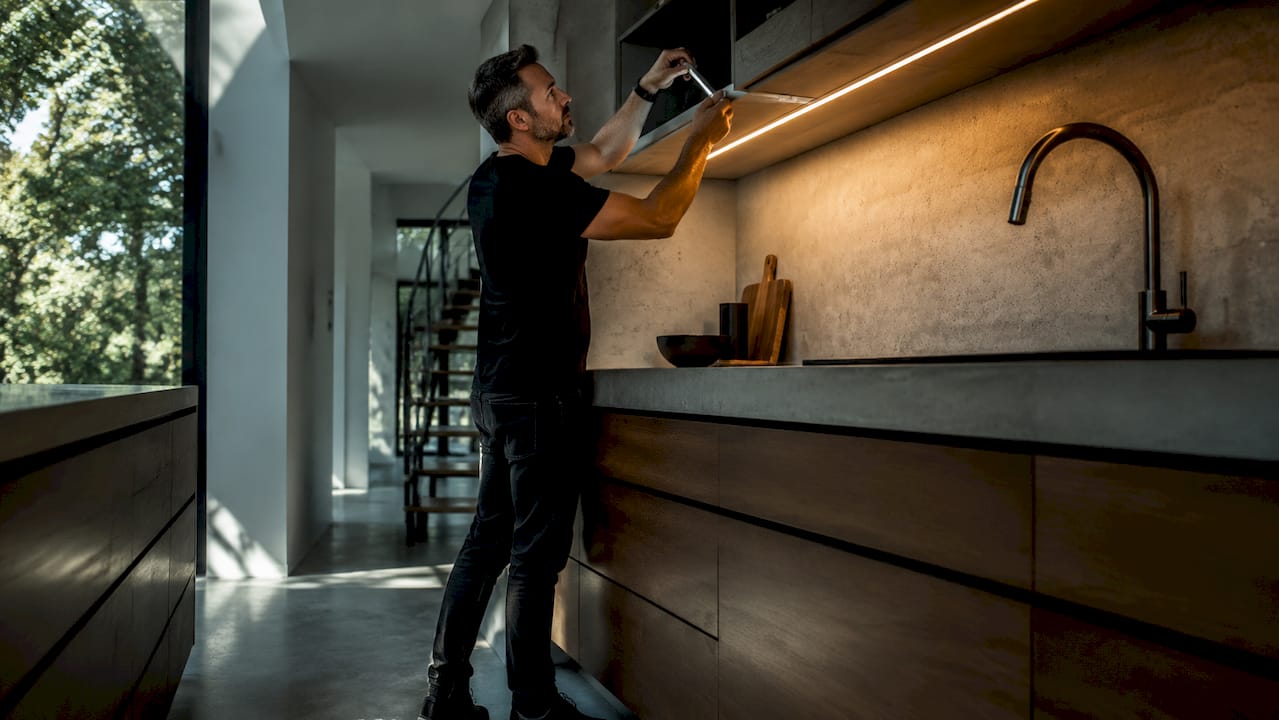
Specific LED applications that transform interiors include cove lighting along ceiling perimeters, undercabinet strips in kitchens, wall grazers that highlight stone or brick textures, and framing lights that outline glass walls or doorways. Each application uses a different LED form factor, from flexible strip lights to rigid linear fixtures, giving designers precise control over where and how light falls.
High-CRI and tunable white LEDs solve the early complaint that LED light looked cold and artificial. CRI, or Color Rendering Index, measures how accurately a light source reveals the true colors of objects. A CRI of 90 or above produces rich, natural-looking illumination that makes paint colors, fabrics, and finishes look the way they were intended.
Pro Tip: When selecting LEDs for living spaces, choose fixtures with a CRI of 90 or higher and a color temperature between 2700K and 3000K. That range produces warm, inviting light that works well for both relaxing and entertaining.
| Lighting Layer | Typical LED Application | Effect on Space |
|---|---|---|
| Ambient | Recessed downlights, cove lighting | Even base illumination, sets overall mood |
| Task | Undercabinet strips, desk pendants | Focused brightness for work or cooking |
| Accent | Wall grazers, picture lights, toe-kick strips | Depth, drama, and visual interest |
| Decorative | Exposed filament LEDs, backlit panels | Style statement and focal point |
What are the real energy savings from LED upgrades?
The advantages of LED lighting go straight to your electricity bill. Modern LEDs reduce lighting energy consumption by 75%–90% compared to incandescent and halogen bulbs. That figure means a home spending $200 per year on lighting electricity could drop that cost to as low as $20–$50 after a full LED upgrade.
The payback period is shorter than most homeowners expect. A whole-home LED upgrade typically pays back in about 5.5 months, with upfront bulb costs running $40–$115 and annual electricity savings averaging around $140. After that payback window, every dollar saved is pure return on your investment.
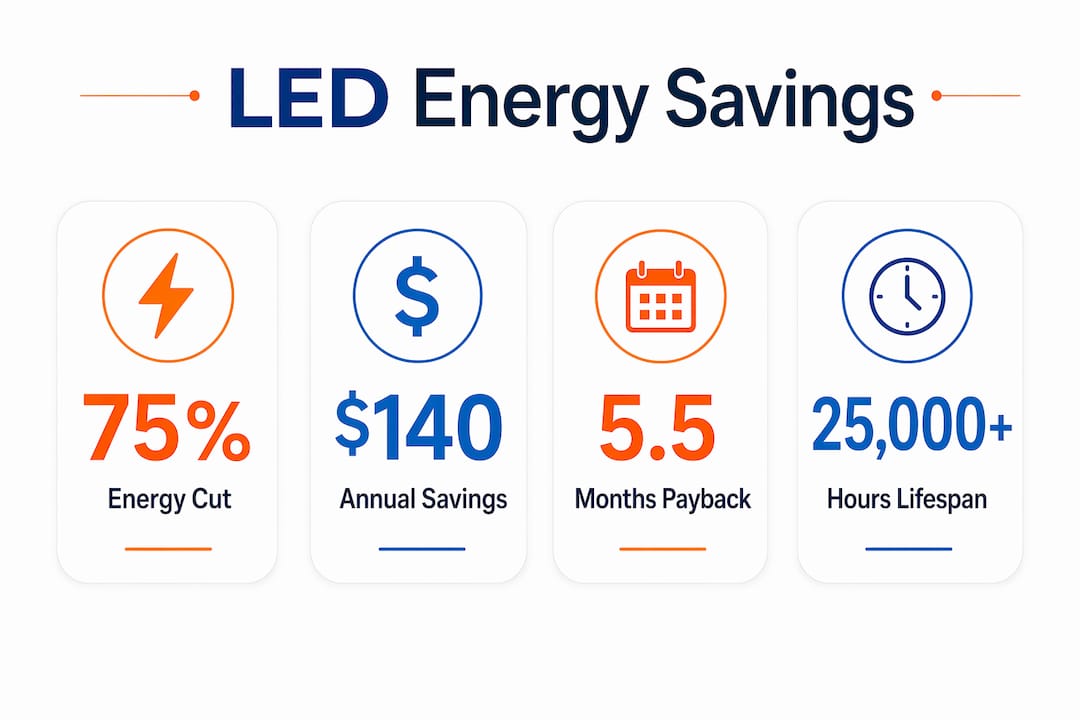
Lifespan is the other major financial factor. Halogens last 1,000–2,000 hours; LEDs last 25,000–50,000 hours. That gap means you replace halogen bulbs 15 to 25 times before a single LED reaches end of life. Reduced replacement frequency cuts both product costs and the labor of changing bulbs in hard-to-reach fixtures.
LEDs also emit significantly less heat than incandescent or halogen sources. Less heat in your fixtures means your air conditioning works less hard during Texas summers, which adds another layer of savings that rarely shows up in basic LED cost comparisons.
Here is a clear summary of the economic and environmental advantages:
- Lower electricity bills: 75%–90% reduction in lighting energy use
- Faster payback: Whole-home upgrades recover costs in under six months on average
- Fewer replacements: LEDs outlast halogens by 15–25 times, cutting product and labor costs
- Reduced cooling load: Less heat output means lower air conditioning demand
- Smaller carbon footprint: Less electricity consumed means fewer emissions from power generation
- Dimmer compatibility: Dimmable LEDs let you reduce output and save even more energy on demand
For a deeper breakdown of what homeowners gain financially, the LED upgrade savings guide from Dfwledpro covers the numbers in detail.
What LED technology innovations are changing home interiors?
LED technology supports ultra-slim fixture designs and dynamic features like color tuning and smart-home integration that traditional bulb-socket setups simply cannot achieve. Panasonic, for example, produces integrated LED panels thin enough to sit flush with a finished ceiling without any visible housing. That level of architectural integration was reserved for commercial buildings a decade ago.
Smart LED systems are now a standard feature in modern home design. Integration with platforms like Alexa, Google, and Control4 allows you to control every light in your home by voice command or smartphone app. You can set scenes for movie night, dinner parties, or morning routines with a single tap. Dfwledpro installs JellyFish Lighting systems that support this level of personalized control for both indoor and outdoor applications.
Color temperature tuning is one of the most practical innovations for homeowners. Tunable white LEDs shift from warm 2700K light in the evening to cooler 4000K–5000K light during the day. That shift mirrors natural daylight cycles and supports better sleep patterns, a benefit backed by circadian lighting research from institutions like the Lighting Research Center at Rensselaer Polytechnic Institute.
Heat management remains the one area where integrated LED systems require careful planning. Proper heat management in integrated LED systems directly affects lifespan. Undersized housings and poor ventilation cause premature failure even when the LED itself carries a long nominal rating. This is why fixture quality matters as much as the LED chip inside it.
Pro Tip: Always choose integrated LED fixtures from manufacturers with published thermal specifications and at least a five-year warranty. A low price on a no-name fixture often means poor heat management, and replacing an embedded fixture costs far more than the original savings.
How should homeowners plan an LED lighting upgrade?
Planning a successful LED upgrade starts with an honest assessment of your current lighting. Walk through each room and identify which fixtures provide ambient light, which handle task lighting, and which, if any, create accent effects. Most homes rely entirely on a single overhead fixture per room, which produces flat, unflattering light with no depth.
Once you map your existing setup, you can plan a layered lighting approach that adds task and accent layers where they are missing. In a kitchen, that might mean adding undercabinet LED strips alongside existing recessed downlights. In a living room, it could mean installing dimmable cove lighting to complement a central pendant.
Choosing the right color temperature for each room is one of the most important decisions you will make. Bedrooms and living rooms work best with warm white LEDs in the 2700K–3000K range. Kitchens and bathrooms benefit from neutral white at 3000K–3500K. Home offices and garages perform best with cool white at 4000K–5000K, where clarity and focus matter more than comfort.
Overusing saturated LED colors or over-lighting a space creates a clinical atmosphere that feels uncomfortable to live in. The fix is straightforward: start with warm ambient light at a lower intensity, then layer in task and accent lighting as needed. Dimmer switches on every circuit give you the flexibility to adjust as the time of day and activity change.
The choice between retrofit LEDs and integrated systems is a practical one that depends on your budget and renovation plans.
| Factor | Retrofit LED Bulbs | Integrated LED Fixtures |
|---|---|---|
| Upfront cost | Low ($5–$20 per bulb) | Higher ($50–$300+ per fixture) |
| Installation | DIY-friendly | Requires electrician |
| Design profile | Limited by existing socket | Ultra-slim, architectural |
| Replacement | Simple bulb swap | May require professional service |
| Best for | Existing fixtures, rental properties | New builds, full renovations |
| Lifespan | 15,000–25,000 hours | 25,000–50,000 hours |
For exterior applications, LED lights outside your home deliver the same layering benefits with the added advantage of weather resistance and permanent installation options like JellyFish Lighting systems.
Key takeaways
LED lighting transforms modern homes by combining long-term energy savings, design flexibility, and smart-home integration into a single technology that outperforms every alternative.
| Point | Details |
|---|---|
| Energy savings are substantial | LEDs cut lighting energy use by 75%–90%, with whole-home upgrades paying back in about 5.5 months. |
| Layering is the design foundation | Combining ambient, task, and accent LED layers creates depth and mood that a single overhead fixture cannot. |
| CRI and color temperature matter | Choose CRI 90+ and 2700K–3000K for living spaces to get warm, accurate, and natural-looking light. |
| Integrated LEDs need careful planning | Fixture quality and heat management determine real-world lifespan; always buy from reputable manufacturers. |
| Retrofit vs. integrated is a budget call | Retrofit LEDs suit existing fixtures; integrated systems suit renovations where design profile is a priority. |
Why i think most homeowners underestimate lighting as a design tool
Most homeowners spend months choosing paint colors, flooring, and furniture, then treat lighting as an afterthought. That order is backwards. Lighting determines how every other design decision looks in practice. A beautiful paint color chosen under a showroom’s lighting can look completely different under a flat, cool overhead bulb at home.
What I have seen working with homeowners across the Dallas-Fort Worth area is that the biggest gains come not from switching to LED bulbs, but from rethinking the entire lighting plan. Adding a second or third layer of light to a room costs less than most people expect and produces a result that feels like a full renovation without touching a single wall.
The one mistake I see most often is over-lighting. Homeowners install too many recessed downlights at full brightness and end up with a space that feels more like a grocery store than a home. Dimmable high-CRI LEDs starting from warm ambient light avoid that problem entirely. Dimmer switches cost almost nothing relative to the comfort they add.
My honest advice: plan your lighting before you finalize any other finish in a room. Decide where you want ambient, task, and accent light. Then choose fixtures that fit the architecture rather than fighting it. The role of ambient lighting as the foundation of that plan is something we cover in depth on the Dfwledpro blog, and it is worth reading before you buy a single fixture.
— Adrian
Get professional LED lighting installed in your DFW home
If you are ready to move from planning to installation, Dfwledpro brings the expertise and the right products to get it done correctly the first time.
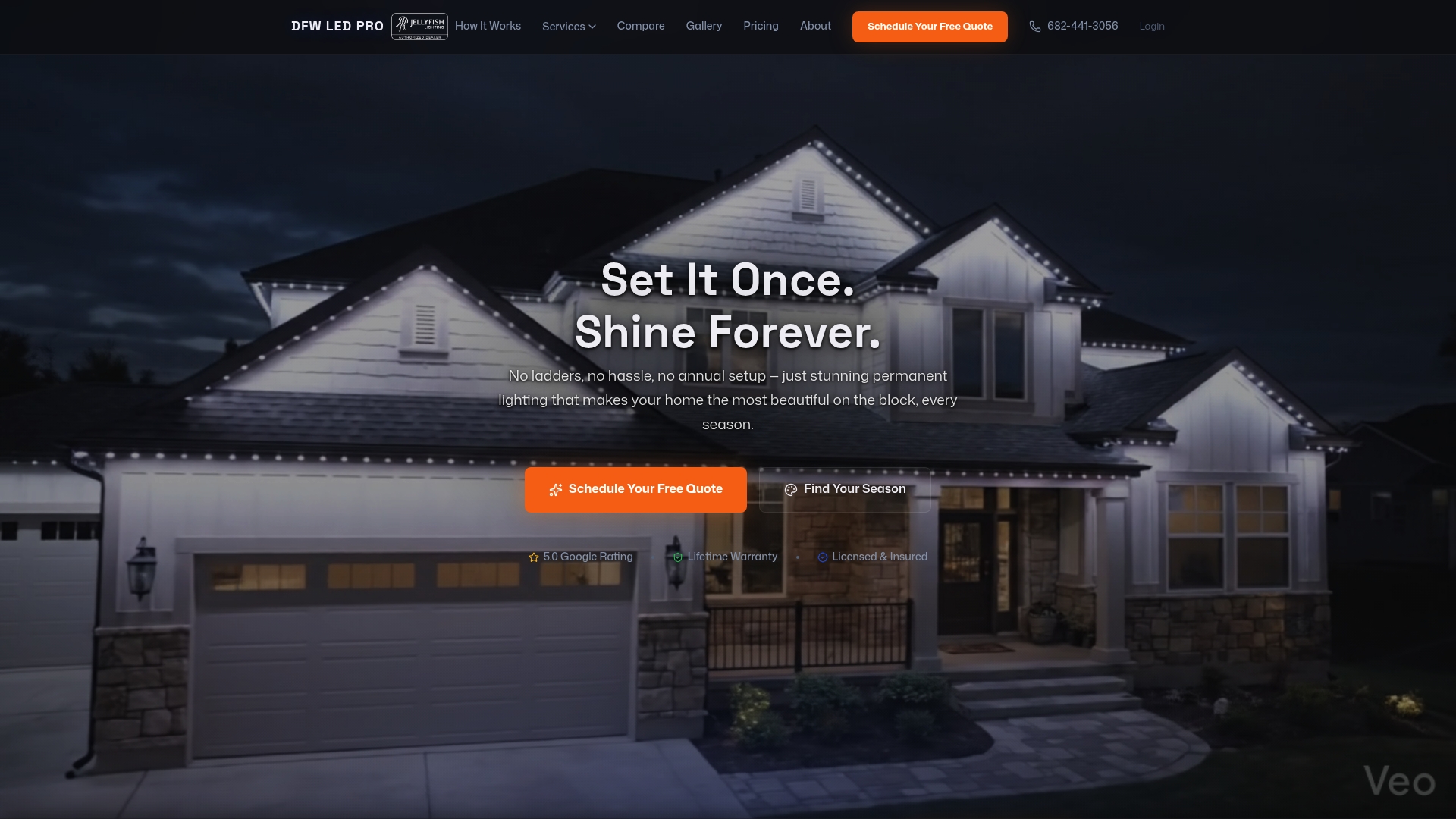
Dfwledpro is the official authorized JellyFish Lighting dealer for the Dallas-Fort Worth metroplex, serving homeowners in Lancaster, Dallas, Venus, Fort Worth, and 35+ surrounding communities. We design and install permanent outdoor LED lighting systems built for Texas weather, HOA compliance, and long-term performance. Every installation includes a personalized lighting consultation so your home gets the right color temperatures, fixture placement, and control options for your lifestyle. Contact Dfwledpro today to schedule your consultation and see what a professionally designed LED lighting plan looks like on your property.
FAQ
What is the role of LED in modern home design?
LED lighting serves as both a functional and aesthetic tool in modern home design, enabling layered lighting plans, architectural integration, and smart-home control that traditional bulbs cannot support. Its long lifespan and energy efficiency make it the standard choice for new builds and renovations alike.
How much can i save by switching to LED lighting?
A whole-home LED upgrade typically pays back in about 5.5 months, with annual electricity savings averaging around $140 and LEDs lasting 15–25 times longer than incandescent bulbs. The combination of lower energy use and fewer replacements produces savings that compound over years.
What color temperature should i use in each room?
Use 2700K–3000K warm white LEDs in bedrooms and living rooms, 3000K–3500K neutral white in kitchens and bathrooms, and 4000K–5000K cool white in home offices and garages. Matching color temperature to room function improves both comfort and visual performance.
Are integrated LED fixtures worth the higher cost?
Integrated LED fixtures deliver a cleaner architectural look and longer lifespan than retrofit bulbs, but they require professional installation and can be costly to repair if the driver fails. Buying from reputable manufacturers with strong warranties reduces that risk significantly.
Can LED lighting work with my smart home system?
Yes. Modern LED systems integrate with platforms like Alexa, Google Home, and Control4, allowing voice and app control of brightness, color temperature, and preset scenes. Dfwledpro installs JellyFish Lighting systems with full smart-home compatibility for both indoor and outdoor applications.