The Role of Ambient Lighting for Homes Explained
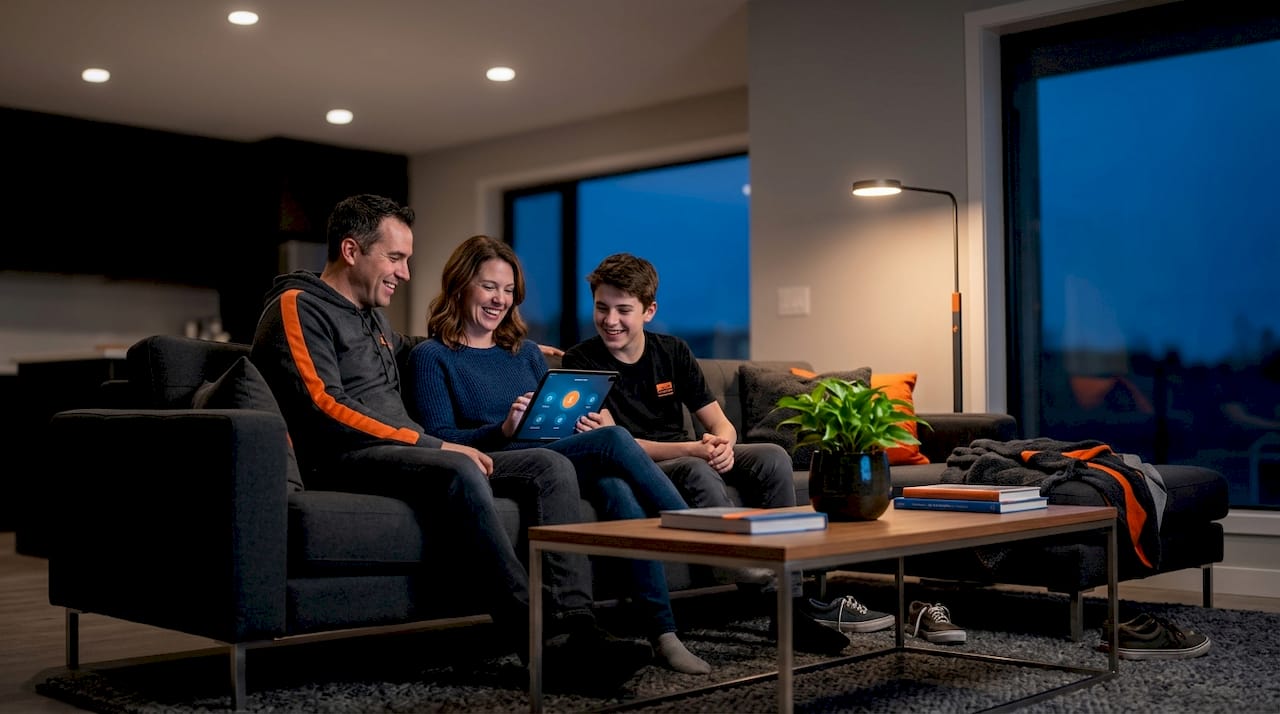
Most homeowners think of ambient lighting as just “the main light.” Flip the switch, the room is bright, done. But the role of ambient lighting for homes goes much deeper than flipping on an overhead fixture. It shapes how comfortable you feel in a room, how your furniture and colors read, whether your eyes feel strained after an hour on the couch, and even how well you sleep at night. Get it right, and every other lighting layer in your home works better. Get it wrong, and no amount of decorative fixtures will save the space.
Table of Contents
- Key takeaways
- The role of ambient lighting for homes
- How layered lighting works in real rooms
- How ambient lighting shapes mood and well-being
- Practical design and energy efficiency strategies
- Ambient lighting ideas for every room
- My honest take on why ambient lighting gets undervalued
- Transform your home with professional LED lighting
- FAQ
Key takeaways
| Point | Details |
|---|---|
| Ambient light is the foundation | It sets baseline visibility and tone for every room before task or accent lighting layers in. |
| Layering is non-negotiable | Combining ambient, task, and accent lighting creates flexible spaces that adapt to mood and activity. |
| Color temperature affects well-being | Warm light around 2700K supports relaxation; cooler light works better for focused work areas. |
| LED upgrades cut energy costs | Switching to ENERGY STAR-rated LEDs saves homeowners roughly $225 per year on electricity. |
| Smart controls multiply savings | Occupancy sensors and dimmers can reduce lighting energy use by 60 to 80 percent. |
The role of ambient lighting for homes
Ambient lighting is the base layer. It is the diffuse, even illumination that fills a room without creating harsh shadows or concentrated bright spots. Think of it as the canvas before any other lighting element gets added.
It comes from several sources:
- Ceiling-mounted fixtures like flush mounts and chandeliers
- Recessed can lights spread across a room
- Wall sconces that wash light upward or outward
- Natural light from windows, skylights, and glass doors
- Cove lighting that bounces indirect light off ceilings and walls
The key characteristic is diffuse distribution. Ambient light should reach every corner of a room at a relatively consistent level. Ambient lighting is the invisible foundation that allows mood-setting and functionality to coexist in a home. Without it, task and accent lighting feel harsh and disjointed.
“Lighting is one of the strongest mood setters in homes, affecting perceived space size, warmth, and comfort.” — Logos Lighting
It is also distinct from the other two lighting types. Task lighting is focused and functional, like under-cabinet lights in a kitchen or a reading lamp. Accent lighting is directional and decorative, used to highlight artwork or architectural details. Ambient lighting does neither of those things specifically. Its job is to make a room livable at a foundational level.
How layered lighting works in real rooms
The importance of ambient lighting only becomes clear when you understand how it interacts with task and accent lighting. The three types work together. Remove any one of them, and the whole system feels incomplete.
Here is a quick comparison of how each type serves a different purpose:
| Lighting Type | Primary Purpose | Common Sources |
|---|---|---|
| Ambient | Base illumination, even coverage | Ceiling fixtures, sconces, natural light |
| Task | Targeted visibility for activities | Desk lamps, under-cabinet strips, pendants |
| Accent | Drama, depth, decorative emphasis | Track lights, picture lights, uplights |
In a living room, ambient lighting might come from recessed lights on a dimmer, while a floor lamp handles reading and a spotlight draws attention to a piece of art. In a kitchen, overhead ambient light covers the whole space, under-cabinet strips handle prep work, and pendant lights over the island add personality. In a bedroom, a layered lighting system creates flexible environments adaptable to activity and time of day.
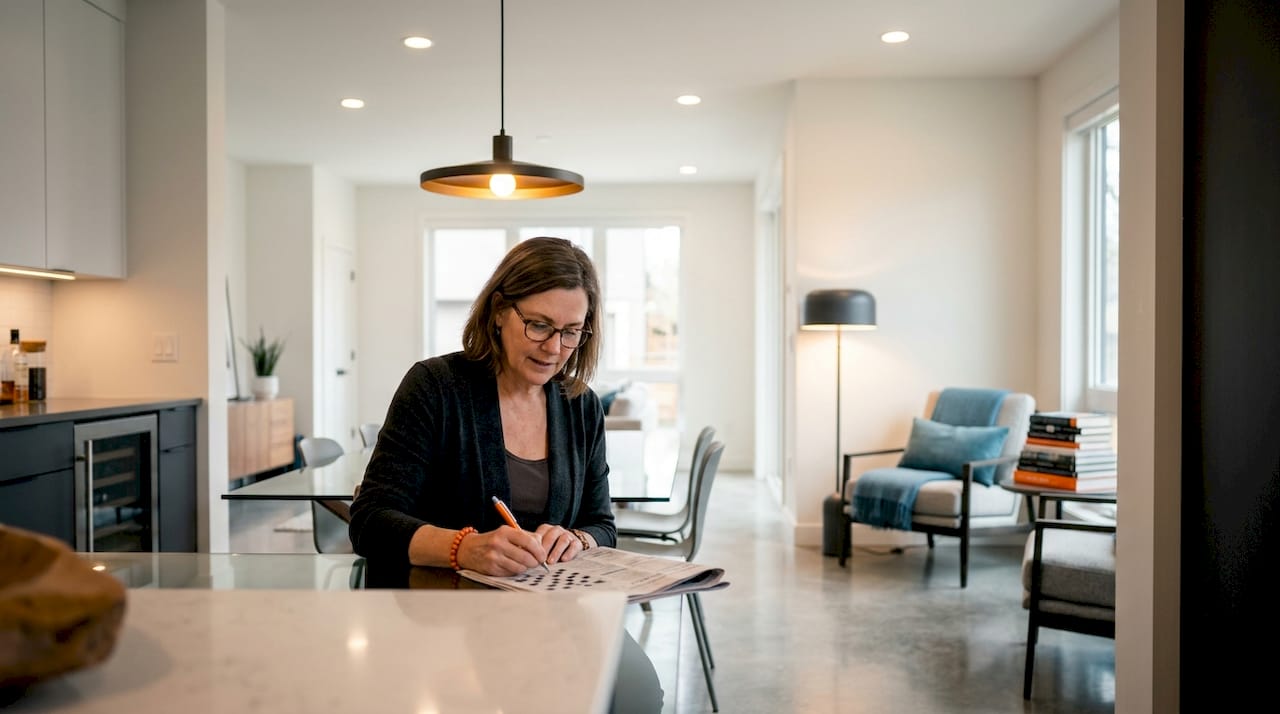
The most common mistake homeowners make is relying on a single overhead fixture for an entire room. That one source creates a bright center and dark corners, which makes a space feel clinical or uninviting. The second most common mistake is skipping dimmers. Without dimming capability, you are locked into one mood regardless of the time of day or activity.
Pro Tip: Install dimmer switches on every ambient light circuit in your home. The cost is minimal, but the ability to drop your living room from 100 percent brightness down to 30 percent for a movie night or a relaxing evening is one of the best comfort upgrades you can make.
How ambient lighting shapes mood and well-being
This is where many homeowners are surprised. Light is not just about seeing. It directly affects how you feel in a space and how your body functions over the course of a day.
Color temperature is the most important variable here. Warm light around 2700K creates an inviting atmosphere preferred in residential spaces, enhancing skin tones and creating a sense of intimacy. Cooler light in the 4000K to 5000K range reads as more alert and clinical, which is why it works in home offices but feels wrong in a bedroom or dining room.
The benefits of home lighting designed around color temperature include:
- Reduced eye strain from minimizing harsh contrast between bright and dark areas. Balanced ambient light improves comfort and helps sustain focus for extended periods.
- Better sleep quality. Low-level artificial light at night activates stress pathways that disrupt deep sleep. Warm, dim ambient light in the evening supports your body’s natural wind-down process.
- A sense of spaciousness. Lighting affects how large or small a room feels. Even, distributed ambient light makes spaces read as larger and more open.
- Emotional comfort. Dim, warm ambient lighting is the core of what makes a space feel cozy and welcoming instead of sterile.
“Experts recommend warm bedside lighting to mitigate the negative effects of nighttime light exposure on sleep quality and heart health.” — Yahoo Health
For nighttime use, specialized lamps with red or amber modes eliminate blue and green wavelengths entirely. This supports melatonin production and is one of the more underused ambient lighting for relaxation strategies available to homeowners right now.
Practical design and energy efficiency strategies
The benefits of home lighting go beyond comfort. Done right, ambient lighting is a meaningful tool for reducing your energy bill. Here is how to get the most out of it.
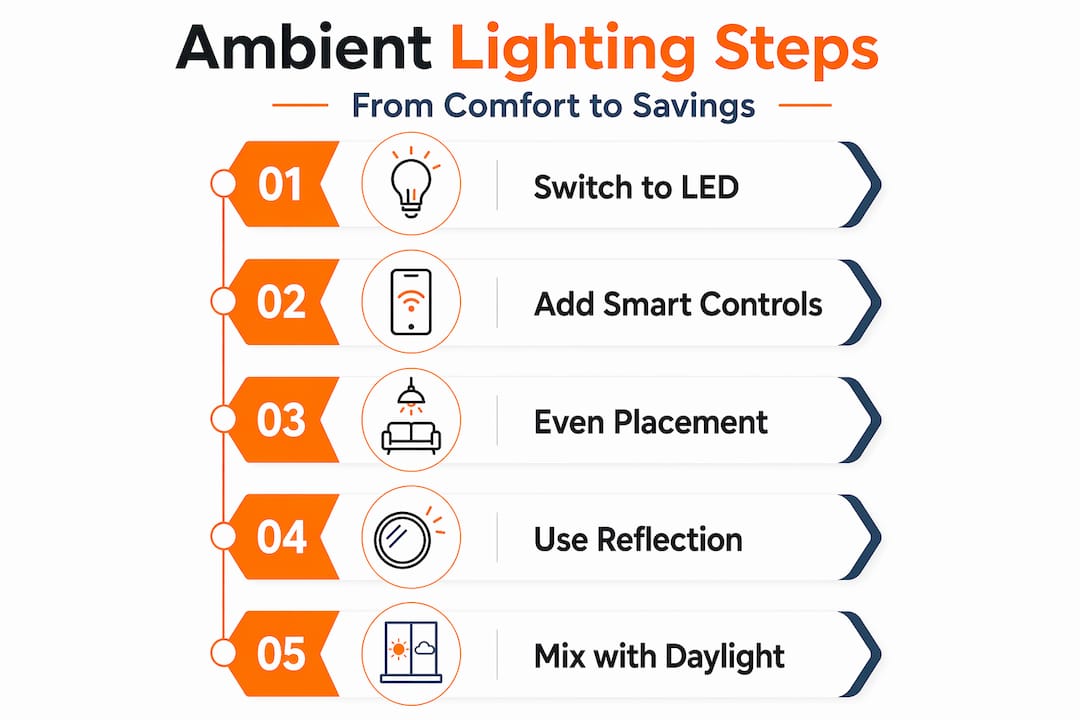
Step 1: Switch to LED. ENERGY STAR-rated LED lighting saves at least 75 percent energy and lasts up to 25 times longer than incandescent bulbs. Lighting accounts for roughly 15 percent of the average home’s electricity use, and households that switch to LED save about $225 annually.
Step 2: Add smart controls. Advanced lighting controls reduce lighting energy use by 60 to 80 percent compared to manual systems. Occupancy sensors alone save 24 to 50 percent by turning lights off in unoccupied rooms. Daylight harvesting, which adjusts artificial light levels based on available natural light, adds another 28 to 40 percent savings in rooms near windows. Explore how home lighting automation makes this process straightforward for residential settings.
Step 3: Place fixtures for even distribution. Higher ceilings need about 10 percent more light output per foot beyond 8 feet to maintain comfortable ambient levels. Larger rooms need multiple sources rather than one powerful center fixture. Spread recessed lights evenly across the ceiling and supplement with floor or table lamps to eliminate dead zones.
Step 4: Use reflective surfaces. Light-colored walls, ceilings, and glossy finishes reflect ambient light and reduce the number of fixtures you need. A room with white walls needs far fewer lumens to feel well-lit than the same room painted a deep navy.
Step 5: Combine natural and artificial light. Daylight harvesting reduces electric lighting needs by positioning seating and work areas near windows to maximize natural light. This is one of the simplest ways to cut ambient lighting energy use without spending anything.
Pro Tip: When calculating how many recessed lights a room needs, use one fixture per 4 to 6 square feet of ceiling as a starting point, then adjust based on ceiling height and wall color. It is much easier to add fixtures during a renovation than to cut new holes later.
| Strategy | Estimated Energy Savings |
|---|---|
| ENERGY STAR LED bulbs | Up to 75% vs. incandescent |
| Occupancy sensors | 24 to 50% |
| Daylight harvesting | 28 to 40% in perimeter zones |
| Dimmer switches | 10 to 40% depending on use |
Ambient lighting ideas for every room
How to use ambient light effectively changes depending on the room. Each space in your home has different functional needs, and ambient lighting should reflect that.
Here are some practical ideas organized by room and approach:
- Living room: Use multiple light sources at different heights as lighting professionals recommend. Combine dimmable recessed lights overhead with floor lamps in corners and a table lamp or two near seating. This eliminates the flat, shadowless look of single-source lighting and creates visual depth.
- Kitchen: Overhead ambient lighting here should be bright and even. Flush mount or semi-flush fixtures with daylight-balanced bulbs (around 3000K) work well. Layer in under-cabinet task lighting separately so you are not relying on ambient light for precision prep work.
- Bedroom: Go warm and low. A central fixture on a dimmer plus bedside lamps gives you full control from bright getting-dressed light down to sleep-supporting ambiance. Avoid cool-toned bulbs in this space entirely.
- Bathroom: Recessed lighting around the perimeter works better than a single overhead fixture, which casts unflattering downward shadows. Pair it with sconces at face level near the mirror for the most functional and flattering setup.
- Hallways and entryways: These spaces are often underlit. A series of small recessed lights or flush mounts spaced evenly makes a hallway feel welcoming instead of tunnel-like.
Avoid the most common ambient lighting pitfall: buying decorative fixtures without checking their lumen output. A beautiful chandelier that produces only 400 lumens in a 200-square-foot room will always look dim and disappointing, regardless of how attractive the fixture is.
For creative style choices, warm neon accent lamps and color-adjustable LED strips used along coves or shelving can supplement primary ambient sources while adding personality. Pair these with indirect LED lighting techniques to keep the light soft and shadow-free.
My honest take on why ambient lighting gets undervalued
I have seen dozens of beautifully furnished homes that felt wrong the moment you walked in. Nice furniture, good colors, quality finishes. But the lighting was a single recessed can in the center of every room, and nothing was on a dimmer. The whole experience fell flat.
In my experience, homeowners consistently underinvest in ambient lighting because it feels invisible when it is done well. You notice a dramatic pendant fixture. You notice under-cabinet lights. You do not notice that the ambient layer is what makes both of those things look good. It is like the structural framing behind a finished wall. Nobody compliments the framing, but without it, nothing holds together.
What I have learned over years of working with homeowners is that the single biggest upgrade most spaces need is not a new fixture. It is a dimmer switch on what they already have, plus one or two additional light sources placed in corners or at seated eye level. That small change shifts a room from adequate to genuinely comfortable.
The evolution of smart controls has made this even more accessible. Systems that integrate with Alexa, Google Home, and Control4 let you program lighting scenes for morning, evening, and everything in between. You can dial in exactly the right ambient light level for every moment of the day without thinking about it. That is where residential lighting is heading, and homeowners who invest in it now are going to enjoy both the comfort and the energy savings for years.
— Adrian
Transform your home with professional LED lighting

At Dfwledpro, we are the official authorized JellyFish Lighting dealer for the Dallas-Fort Worth metroplex, and we install permanent LED lighting systems for residential properties across 35-plus cities including Arlington, Fort Worth, Mansfield, Grand Prairie, Midlothian, and the surrounding communities. Our systems are designed to work with your home’s architecture and connect directly with smart home platforms including Alexa, Google Home, and Control4 for full scene and schedule control.
If you are exploring residential lighting controls or want a professional assessment of your home’s current ambient lighting setup, our team is ready to help. We handle everything from design to installation so you get a finished result that looks great, performs well, and saves energy from day one. Reach out to Dfwledpro to schedule a consultation.
FAQ
What is ambient lighting in a home?
Ambient lighting is the base layer of illumination in a room, providing even, diffuse light across the entire space. It comes from ceiling fixtures, sconces, recessed lights, and natural light sources.
Why does ambient lighting matter for mood?
Warm ambient light around 2700K creates an inviting, relaxing atmosphere, while cooler tones feel more alert and clinical. The right color temperature directly affects how comfortable and at ease you feel in a space.
How many light sources do I need for good ambient lighting?
Most lighting professionals recommend multiple sources at different heights rather than one overhead fixture. A combination of recessed lights, floor lamps, and wall sconces gives you even coverage and eliminates dark corners.
Can ambient lighting really lower my energy bill?
Yes. Switching to ENERGY STAR-rated LEDs saves up to 75 percent energy compared to incandescent bulbs, and adding smart controls like occupancy sensors and dimmers can cut lighting energy use by 60 to 80 percent overall.
What is the difference between ambient and accent lighting?
Ambient lighting provides general room-wide illumination with no specific focal point. Accent lighting is directional and used to highlight specific objects, artwork, or architectural features within the room.