What Is Indirect LED Lighting for Your Home
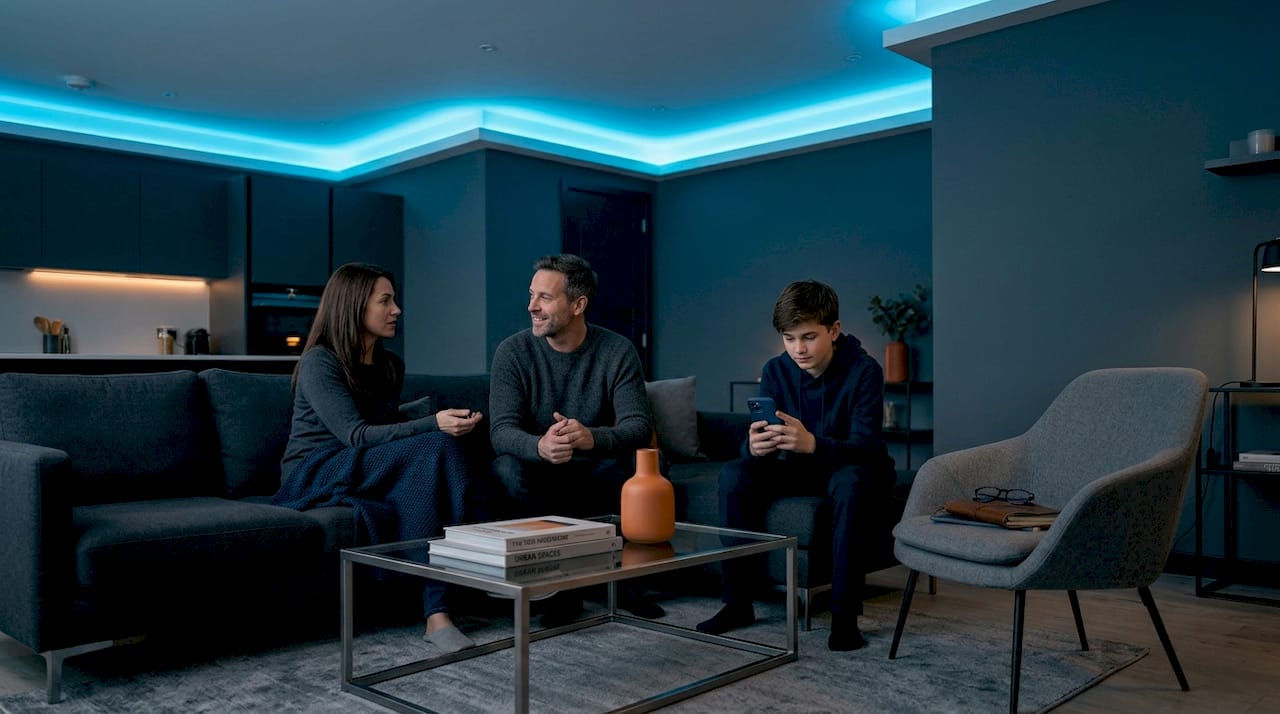
Most homeowners assume indirect LED lighting is a luxury detail saved for high-end design magazines. It is not. What is indirect LED lighting, really? It is a practical approach to illuminating a room that removes glare, softens shadows, and makes your space feel larger without adding a single square foot. The confusion usually comes from mixing it up with diffused lighting, which works differently. This guide breaks down exactly how indirect LED lighting works, why it outperforms direct lighting in comfort and ambiance, and how you can apply it room by room in your own home.
Table of Contents
- Key Takeaways
- What is indirect LED lighting and how it works
- Benefits of indirect vs. direct LED lighting
- Indirect LED lighting design ideas for your home
- Common pitfalls when choosing indirect LED lighting
- Energy efficiency and cost considerations
- My take on indirect LED lighting in real homes
- Ready to upgrade your home’s lighting?
- FAQ
Key Takeaways
| Point | Details |
|---|---|
| Indirect LED lighting uses reflection | Light bounces off ceilings or walls before reaching your eyes, producing soft, even illumination. |
| Glare is significantly reduced | Indirect systems deliver UGR ratings below 16, compared to above 22 for direct lighting setups. |
| Diffused light is not the same thing | True indirect lighting relies on architectural surfaces as reflectors, not frosted shades or glass. |
| Ceiling color and height matter | Light-colored, higher ceilings amplify indirect lighting performance throughout the room. |
| Layer it with direct light | Combining indirect ambient light with task lighting gives you both comfort and function. |
What is indirect LED lighting and how it works
Indirect lighting bounces off surfaces like ceilings and walls before it reaches your eyes. Instead of pointing a fixture straight down at you, the light travels upward or sideways, hits a surface, and then reflects back into the room as a soft, even glow. The result is a calm, shadow-free wash of light that feels natural and easy on your eyes.
There is an important distinction worth knowing. Reflected light and diffused light are not the same thing. Diffused light passes through a frosted shade or glass panel and spreads out, but it still originates from the fixture pointing in your direction. Reflected indirect light actually travels away from you first, then returns. That extra step changes the entire character of the illumination.
Here is how you typically see indirect LED lighting executed in residential spaces:
- Cove lighting: LED strip lights installed in a ledge or trough near the ceiling, pointed upward so light floods across the ceiling surface.
- Wall uplights: Fixtures mounted low on a wall, aimed upward, casting light across the wall and reflecting back into the room.
- Recessed indirect fixtures: Built into soffits or architectural niches with the light source hidden from direct view.
- Floating ceiling panels: Structural elements suspended below the actual ceiling, with LED strips tucked behind the edges to create a halo effect.
- Valance lighting: Horizontal boards mounted above windows that conceal LED strips directing light upward or downward along the wall.
Pro Tip: When you install LED strip lights in a cove or valance, aim for a strip-to-surface distance of at least 6 to 8 inches. Too close, and you will see bright hotspots instead of an even glow. Check out our LED selection guide for more guidance on choosing the right strip density.
The light source itself is always hidden in true indirect LED lighting. If you can see the LED chips or the bulb directly, it is not indirect. That hidden placement is what separates the approach from every other LED lighting type.
Benefits of indirect vs. direct LED lighting
The differences between indirect LED lighting vs direct go well beyond aesthetics. They affect how your eyes feel after an evening in the room, how large the space appears, and how much energy you use over time.
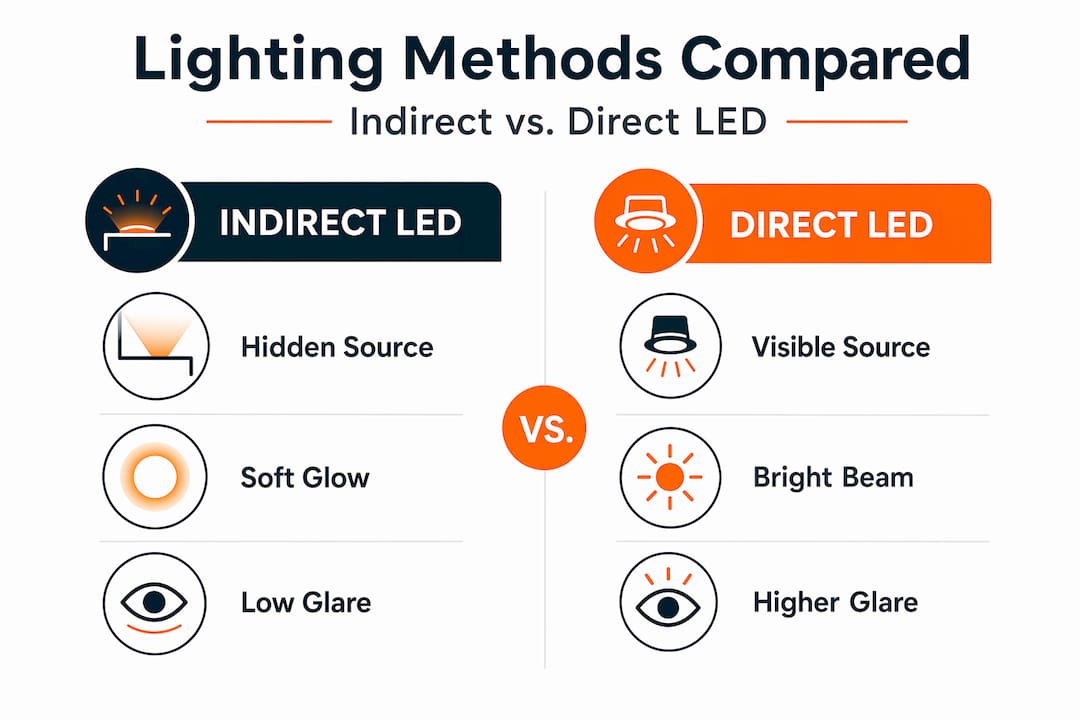
Indirect LED lighting reduces glare dramatically. The Unified Glare Rating (UGR) measures visual discomfort caused by bright light sources in your field of view. Direct lighting systems typically score above 22 on the UGR scale, which registers as noticeable discomfort. Indirect lighting systems regularly score below 16, the threshold recognized as comfortable for prolonged use. That difference matters when you are watching TV, reading, or working from home.
“Indirect lighting is not merely decorative. It is a functional tool that reduces eye strain and visually enlarges rooms when properly planned.” Source
Here is a side-by-side look at the two approaches:
| Feature | Indirect LED lighting | Direct LED lighting |
|---|---|---|
| Glare (UGR) | Below 16 (comfortable) | Above 22 (can cause strain) |
| Shadow quality | Soft, minimal shadows | Harsh, defined shadows |
| Perceived room size | Larger, more open | Can feel smaller or closed |
| Eye fatigue | Low with extended use | Higher with extended use |
| Energy efficiency | 70 to 100 lumens per watt | 100 to 140 lumens per watt |
| Best use case | Living areas, bedrooms, relaxing spaces | Task areas, kitchens, workspaces |
Indirect lighting improves perception of room size by eliminating the harsh high-contrast shadows that make ceilings and corners feel closed in. When the ceiling itself glows evenly, the eye reads the entire volume of the room rather than just the illuminated floor zone. Rooms genuinely feel larger. That is one of the most underrated advantages of indirect LED setups in smaller homes and apartments.
Indirect LED lighting design ideas for your home
The right approach depends on the room and what you want to accomplish with it. Here are practical ideas organized by space and installation type.
Living rooms benefit most from cove lighting along the perimeter of the ceiling. Install a continuous LED strip just below the ceiling line inside a shallow ledge, and you create a halo of warm light that fills the room without a single exposed bulb. Pair that with one or two table lamps for focused reading light, and the balance feels polished.
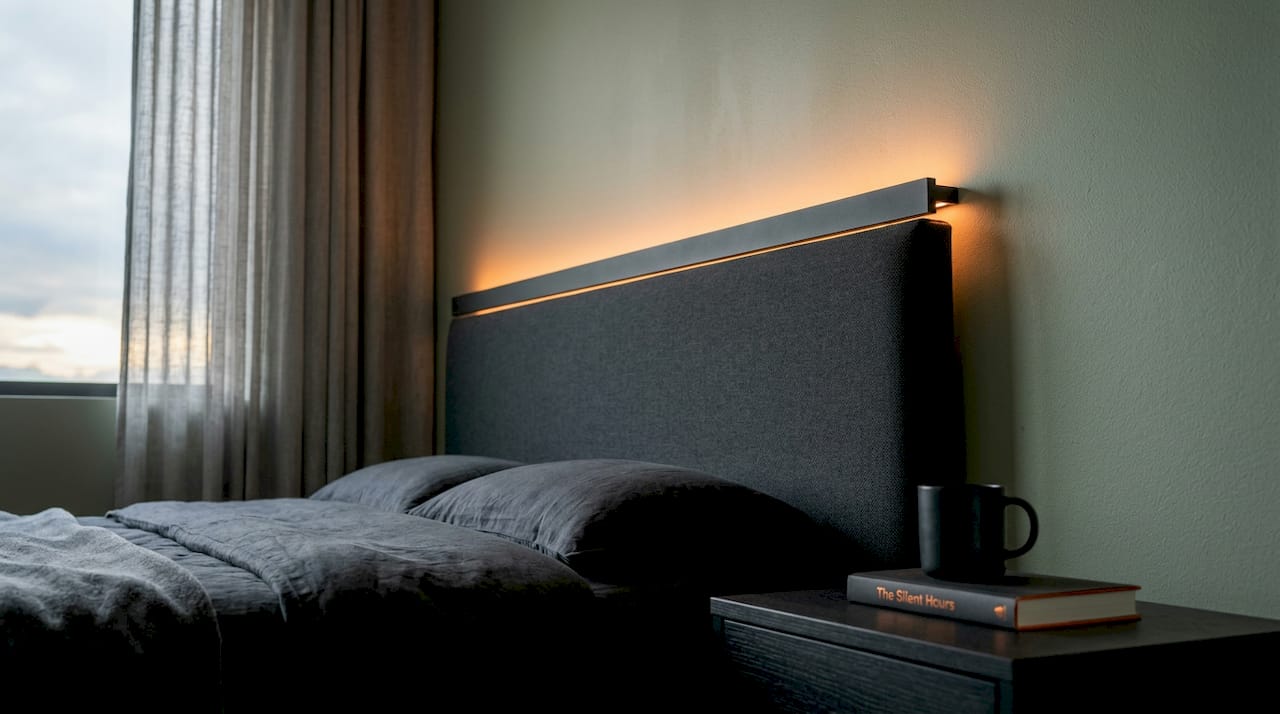
Bedrooms are ideal for behind-headboard LED strips or valance lighting above the bed. The soft upward light creates a relaxing atmosphere without the ceiling fixture glare that tends to fight against sleep-ready environments. Tunable white LED strips that shift from cool to warm as the evening progresses work exceptionally well here.
Bathrooms often get overlooked for indirect lighting, but soffit-mounted uplights above the vanity area or LED strips tucked into the top of a mirror frame produce flattering, even light without the harsh shadows that standard vanity bulbs create. It is also a practical choice near reflective tile surfaces.
Other popular applications include:
- Stairways: LED strip lights tucked under each step tread or along the stringer, pointing light upward along the wall.
- Home offices: Indirect cove or perimeter lighting reduces screen glare and visual fatigue during long work sessions.
- Dining rooms: Uplighting on the walls around the dining area creates a warm, restaurant-quality atmosphere for evening meals.
- Entryways: Wall-mounted uplights flanking the front door create a dramatic, welcoming effect without blinding anyone who walks in.
Cove lighting, wall uplights, and LED strip lights are among the most versatile indirect LED light fixtures available for residential applications. Each requires planning the fixture position before you finalize wall or ceiling finishes if you are doing a renovation.
Pro Tip: Layering indirect ambient light with direct task lighting is the approach interior designers use on every project. Indirect light handles the room’s base comfort level while direct light handles the functional demands. Think of them as working together, not competing. Our LED lighting tips blog has more ideas for layering light effectively.
Common pitfalls when choosing indirect LED lighting
Avoiding mistakes here will save you money and frustration. These are the most common errors we see homeowners make.
-
Confusing diffused light with true indirect light. A lamp with a frosted shade softens light but still projects it directly toward you. True indirect lighting relies on architectural surfaces as the reflectors. If you cannot see the surface the light is bouncing off, the setup is not genuinely indirect.
-
Installing too many fixtures thinking more is better. A single quality indirect fixture can outperform multiple cheaper downlights for balanced, glare-free illumination. Placement and fixture quality matter far more than quantity.
-
Ignoring ceiling height and color. Higher ceilings with light-colored surfaces amplify the effect of indirect LED lighting. Dark ceilings absorb light rather than reflect it, which kills the performance of any cove or uplight installation. If your ceiling is dark, painting it a lighter neutral before installing indirect lighting will dramatically improve the result.
-
Forgetting to balance with direct task lighting. The ideal setup combines indirect ambient lighting with direct task lighting to reduce eye fatigue. A living room with only indirect lighting will feel warm and inviting but leave you squinting while reading. Add a floor lamp or adjustable wall sconce for focused tasks.
-
Skipping dimmer controls. Indirect LED lighting without a dimmer is only useful at full blast. A dimmer gives you control over the mood and intensity throughout the day and evening, which is where the real value of this lighting type shows up.
Energy efficiency and cost considerations
There is an honest trade-off with indirect LED lighting that you should understand before budgeting. Indirect LED systems deliver 70 to 100 lumens per watt compared to 100 to 140 lumens per watt for direct systems. That gap exists because reflection always involves some light loss. You need slightly more fixture output to achieve the same room brightness.
| Cost factor | Indirect LED | Direct LED |
|---|---|---|
| Initial installation | Higher (architectural integration) | Lower (simple fixture mount) |
| Lumens per watt | 70 to 100 | 100 to 140 |
| Long-term comfort | High (less eye fatigue) | Varies by fixture quality |
| Utility cost impact | Slightly higher base wattage | Lower base wattage |
| Lifespan (LED strip) | 25,000 to 50,000 hours | 25,000 to 50,000 hours |
Indirect lighting can increase upfront costs compared to direct setups, primarily because of the architectural work involved in creating coves, soffits, or valances. However, the long-term gains in visual comfort often justify that investment, particularly in rooms where you spend the most time.
The smartest way to control operating costs is adding smart dimmer controls to your indirect LED circuits. When you are not running fixtures at full brightness, energy consumption drops proportionally. Learn more about how smart LED controls can help you manage energy use across your entire lighting setup.
Pro Tip: If you want to test indirect lighting before committing to a full architectural build-out, start with a plug-in LED uplight floor lamp pointed at the ceiling. It will not look as polished as a built-in cove, but it will show you exactly how your specific ceiling color and height respond to indirect light. Adjust from there.
My take on indirect LED lighting in real homes
I have seen a lot of lighting installs, and the homeowners who get the best results with indirect LED lighting share one trait: they plan for it before the room is finished, not after. Adding a cove or soffit after drywall is installed is possible, but it is a much bigger project and usually costs more than it should.
What surprises most homeowners is how much indirect lighting changes the feel of a room compared to just swapping out bulbs. The ceiling becomes part of the light source instead of just the surface above you. That shift in how the room reads visually is difficult to appreciate until you experience it.
I also want to be direct about one thing I see misrepresented: indirect lighting is not always the right choice for every room or every homeowner. In a kitchen where you need sharp, accurate light for food prep, a fully indirect setup will frustrate you. The sweet spot is always a layered approach. Indirect for ambient comfort, direct for task performance. That combination is what soft reflected light delivers best.
Do not overthink your first installation. Pick one room, start with LED strip cove lighting, and pay close attention to ceiling color and height. The results will teach you more than any article can.
— Adrian
Ready to upgrade your home’s lighting?
If this guide has you thinking about a professional upgrade rather than a DIY project, Dfwledpro can help. We bring years of hands-on LED installation experience to homeowners across the Dallas-Fort Worth metroplex, and we understand exactly how to plan lighting that works for your specific home layout and ceiling configuration.
Whether you are in Lancaster, Dallas, or Midlothian, our team is ready to consult on your lighting goals. We design for energy efficiency, long-term durability, and the kind of ambiance that makes your home feel genuinely different. Contact Dfwledpro today to schedule a free consultation, and let us show you what a well-planned LED lighting installation looks like in person.
FAQ
What is indirect LED lighting in simple terms?
Indirect LED lighting is a method where the light source is hidden and aimed at a ceiling or wall, so the reflected glow illuminates the room instead of the bulb itself. The result is soft, even light with minimal glare.
How is indirect lighting different from diffused lighting?
Diffused lighting passes through frosted glass or a shade to soften output but still shines toward you directly. Indirect lighting reflects off architectural surfaces first, which is a fundamentally different process that produces much lower glare levels.
What rooms benefit most from indirect LED lighting?
Living rooms, bedrooms, and bathrooms are the top candidates because these spaces prioritize comfort and relaxation over sharp task visibility. Stairways and dining areas are also strong applications.
Is indirect LED lighting energy efficient?
Indirect LED systems run at 70 to 100 lumens per watt due to light loss during reflection, slightly below direct systems. Adding smart dimmer controls offsets much of that gap and gives you flexible control over your energy use.
Can I install indirect LED lighting myself?
Yes, many cove and strip light installations are DIY-friendly, particularly plug-in or surface-mounted LED strip setups. For built-in architectural coves or soffit work, a professional install typically produces cleaner results and avoids costly mistakes with placement and surface compatibility.