What Is Remote Controlled Exterior Lighting?
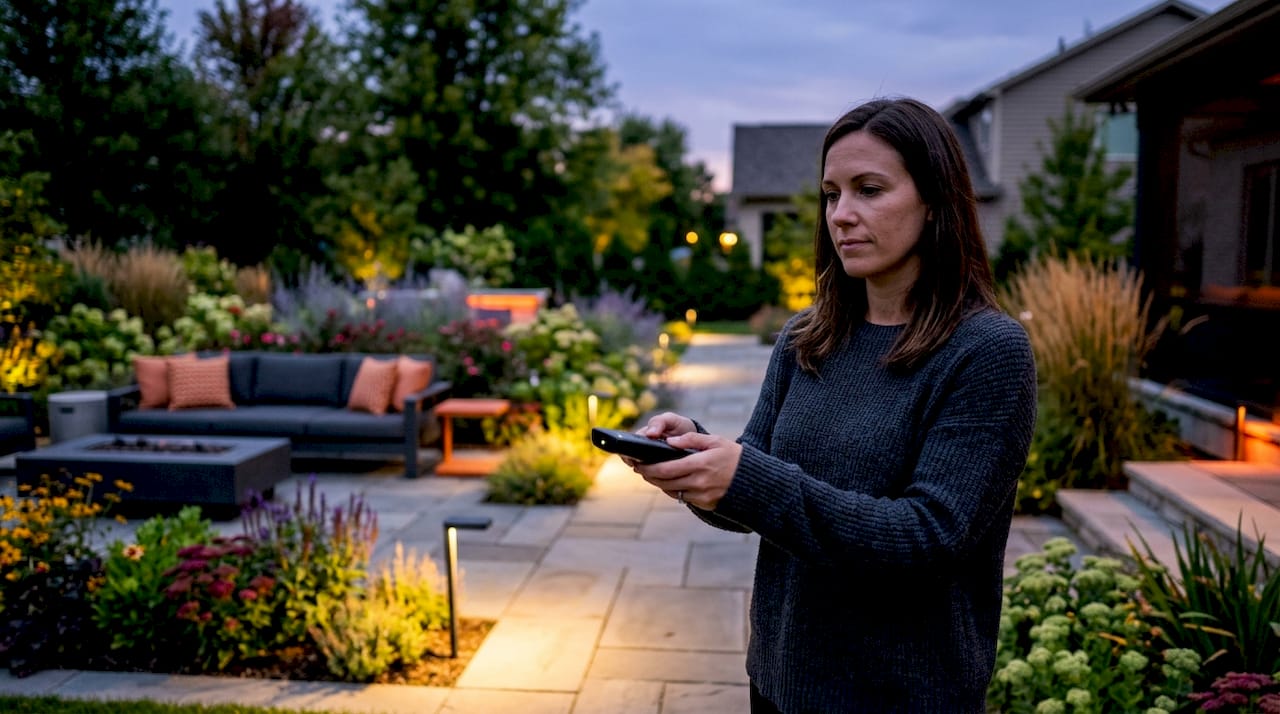
Remote controlled exterior lighting is an integrated outdoor lighting system that lets you operate, schedule, and customize your home’s lights wirelessly, using either a handheld remote or a smartphone app. These systems rely on two primary wireless technologies: Wi-Fi and radio frequency (RF). Both methods give you full control over brightness, color, and scheduling without touching a switch. For homeowners in the Dallas-Fort Worth area, where outdoor living is a year-round priority, this kind of control makes a real difference in how your home looks, feels, and stays secure. The industry standard term for these systems is “wireless automated exterior lighting,” and understanding how they work helps you choose the right setup for your property.
What is remote controlled exterior lighting and how does it work?
Remote controlled exterior lighting systems send wireless signals from a controller, app, or remote to LED fixtures mounted on your roofline, landscape, or pathways. The signal travels through either Wi-Fi or RF channels, reaching a central controller that interprets the command and adjusts the lights accordingly.
The two main wireless methods work differently:
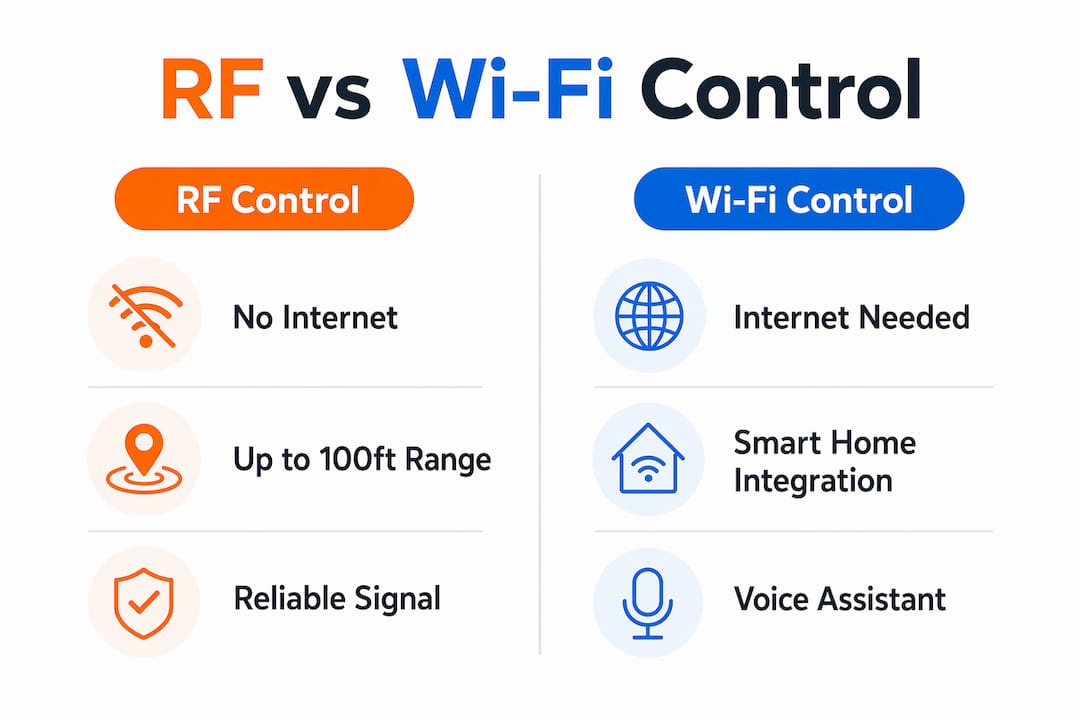
- Wi-Fi control connects your lighting system to your home network. You manage everything through a smartphone app, and you can adjust settings from anywhere in the world with internet access.
- RF (radio frequency) control sends signals directly from a remote to the fixtures. RF systems provide stable control up to 100 feet through walls and obstacles, with no internet connection required.
A central indoor controller sits at the heart of most permanent systems. It stores your schedules and color programs locally. Local controllers maintain schedules even when your Wi-Fi drops, so your lights still turn on at sunset even during an internet outage. Wi-Fi is mainly needed when you want to send new commands or update programming.
The controller connects to the LED fixtures through wiring that runs along or inside your roofline. This wiring placement affects how clean your home’s exterior looks after installation. Signals from the app or remote reach the controller, which then pushes the command to each fixture in real time.
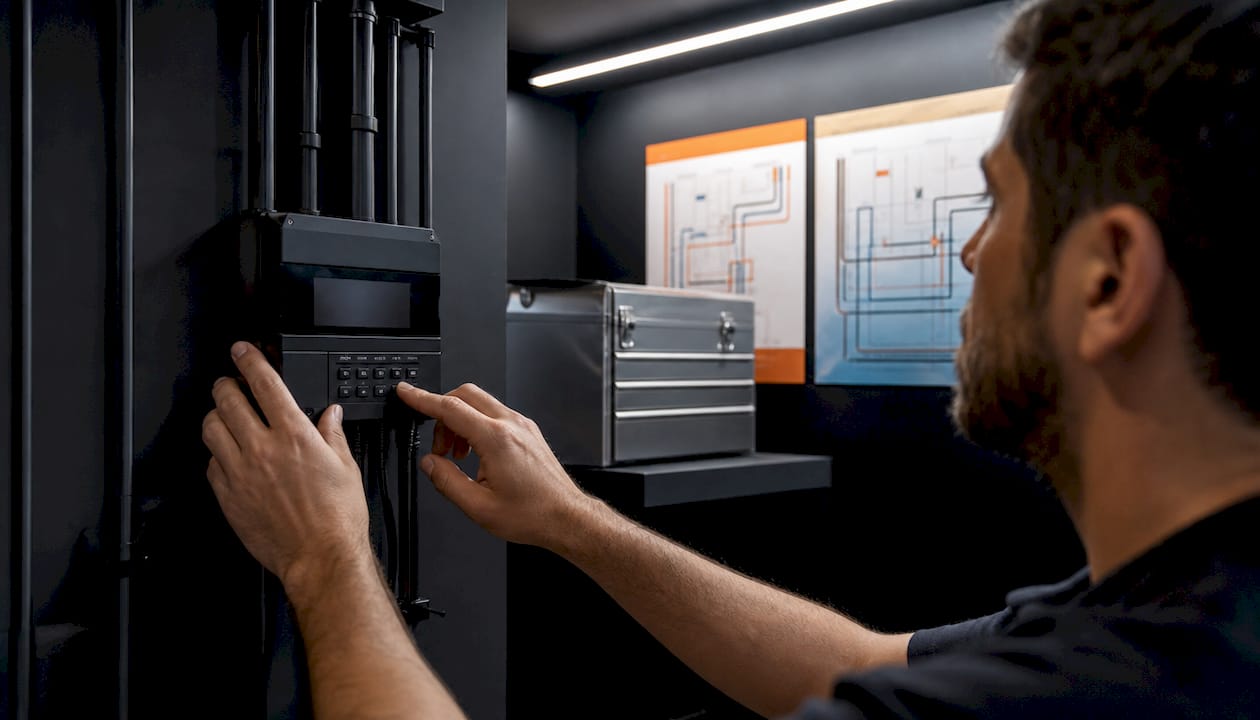
Pro Tip: Place your indoor controller in a utility room or garage to keep wiring runs short and your walls clean. Shorter runs mean fewer connection points and a more reliable signal.
What are the benefits of using remote controlled exterior lighting?
The practical advantages of wireless exterior lighting go well beyond convenience. These systems change how you interact with your home’s outdoor spaces every single day.
Convenience and control
You can dim your patio lights for a dinner party, switch to bright white for a backyard project, or turn everything off from your couch. App-based outdoor lighting control removes the need to walk outside or hunt for a wall switch. Scheduling features let you set lights to turn on at dusk and off at midnight automatically, every night, without any manual input.
Security through smart scheduling
Remote lighting systems enhance home security by mimicking occupancy through dynamic scheduling. When you travel, your lights can follow a randomized pattern that makes the house look lived in. Most permanent systems carry an IP65 rating or higher, which means they resist rain, dust, and temperature swings without degrading. That durability matters in North Texas, where summer heat and spring storms push outdoor fixtures hard.
Energy efficiency
LED fixtures paired with precise dimming controls and timers use far less electricity than traditional outdoor lighting. You only run lights at full brightness when you need them. Dimming to 50% during low-traffic hours cuts energy draw significantly without sacrificing the look of your yard.
Ambiance and color customization
Color-changing capability is one of the most underrated features of these systems. You can set warm white for a relaxed evening on the patio, switch to team colors for game day, or program a full holiday display for christmas or the Fourth of July. Addressable LED systems allow individual control of each light’s color, enabling animations and multi-zone effects. Zone-based systems cost less and still deliver impressive results for most homeowners.
Predictive maintenance
Remote-managed lighting systems monitor their own performance and detect fixture or connectivity issues before they become visible problems. You get an alert through the app rather than noticing a dark section of your roofline weeks later. This shifts maintenance from reactive to predictive, which saves time and money over the life of the system.
Pro Tip: Set up push notifications in your lighting app so you get an alert the moment a fixture goes offline. Catching issues early prevents small problems from turning into full replacements.
RF vs. Wi-Fi: which remote control option fits your home?
Choosing between RF and Wi-Fi control comes down to how you want to interact with your system and what your home’s network setup looks like.
| Feature | RF control | Wi-Fi control |
|---|---|---|
| Internet required | No | Yes |
| Control range | Up to 100 feet through obstacles | Global via smartphone app |
| Voice assistant support | No | Yes (Alexa, Google Assistant, Apple HomeKit) |
| App-based scheduling | Limited | Full-featured |
| Setup complexity | Simple | Moderate |
| Best for | Reliable, immediate control | Smart home integration and remote access |
RF control delivers instant, reliable operation over long ranges without depending on your home network. If your router is unreliable or you prefer a physical remote, RF is the right fit. It works the same way every time, regardless of network conditions.
Wi-Fi control suits homeowners who want their outdoor lighting woven into a broader smart home setup. You can ask Alexa to turn on the front yard lights, set Google Assistant to trigger a scene when you arrive home, or control everything remotely while traveling. Smart outdoor lighting integrates with Alexa, Google Assistant, and Apple HomeKit for voice control and full automation. The tradeoff is that a dropped internet connection temporarily limits remote access, though your stored schedules still run locally.
Many permanent systems, including those installed by Dfwledpro, support both RF and Wi-Fi simultaneously. You get the reliability of RF for day-to-day use and the flexibility of Wi-Fi when you want advanced control.
How to choose and install a remote controlled exterior lighting system
Selecting the right system starts with three questions: How large is your outdoor space? How many lighting zones do you need? And how much control do you want from your phone?
Here is a practical approach to making the right choice:
- Map your lighting zones. Identify which areas you want to light independently: front roofline, back patio, landscape beds, and pathways each benefit from separate zone control.
- Decide between zone-based and addressable LEDs. Zone-based systems control groups of lights together and cost less. Addressable systems control each light individually and support complex color animations. Choose based on your display goals and budget.
- Choose your control method. RF works well for straightforward on/off and dimming. Wi-Fi is the better choice if you want scheduling, voice control, and smart home integration.
- Plan your controller location. Indoor controller placement requires wiring from permanent exterior fixtures, which affects both installation complexity and your home’s exterior appearance. A garage or utility closet is usually the cleanest option.
- Schedule professional installation. Final programming typically takes 30–60 minutes after hardware mounting. A professional installer handles wiring, controller setup, and app configuration so everything works correctly from day one.
For homeowners who want lighting upgrade guidance before committing to a full system, reviewing your current outdoor setup and identifying problem areas is a smart first step.
Pro Tip: Ask your installer to run wiring inside the soffit or fascia rather than along the surface. Hidden wiring gives your home a cleaner look and protects the cables from UV exposure and physical damage.
Key Takeaways
Remote controlled exterior lighting gives homeowners wireless command over outdoor lights through RF or Wi-Fi technology, delivering convenience, security, and energy savings in one permanent system.
| Point | Details |
|---|---|
| Two core technologies | RF works without internet up to 100 feet; Wi-Fi enables global app and voice control. |
| Local scheduling is reliable | Controllers store schedules locally, so lights run on time even when Wi-Fi drops. |
| Security through automation | Dynamic scheduling mimics occupancy and deters intruders without manual effort. |
| Addressable vs. zone-based | Addressable LEDs cost more but allow individual color control and holiday animations. |
| Professional installation matters | Proper wiring placement and programming take 30–60 minutes and affect long-term reliability. |
Why outdoor lighting control has changed how I think about home design
I have seen hundreds of outdoor lighting installs across the Dallas-Fort Worth area, and the shift in how homeowners think about their exterior has been striking. Five years ago, most people wanted lights that turned on at dusk and off at dawn. That was the whole conversation. Now, homeowners ask about color zones, holiday presets, and whether the system talks to their Google Home.
What I find genuinely interesting is the split between RF and Wi-Fi users. Homeowners who choose RF are not settling for less. They are making a deliberate choice for reliability. They want to press a button and have it work, every time, without thinking about whether the router is having a bad day. That is a legitimate priority, and I respect it.
The Wi-Fi crowd is different. They want their porch lights to turn on when they pull into the driveway, their backyard to shift to warm amber when they start a playlist, and their holiday display to run on a schedule they set once in october and forget about. That kind of intentional living through lighting is real, and smart lighting supports lifestyle alignment in ways that go beyond aesthetics.
The one thing I push back on is the idea that any of this works well without professional installation. Hidden wiring, proper controller placement, and correct app configuration are not optional extras. They are what separates a system that impresses guests from one that frustrates you six months in.
— Adrian
Dfwledpro installs permanent remote controlled LED lighting across DFW
Dfwledpro is the authorized JellyFish Lighting dealer for the Dallas-Fort Worth metroplex, and we specialize in permanent LED exterior lighting with full remote and app-based control. We handle everything from roofline wiring and controller placement to app setup and programming, so you walk away with a system that works exactly as expected.
Our installations cover 35+ cities including Arlington, Fort Worth, Grand Prairie, Mansfield, Burleson, and Cedar Hill. Whether you want a simple RF-controlled system or a full Wi-Fi setup with Alexa integration, we size and configure the system to your property. Homeowners in Lancaster and Dallas can explore our permanent LED installation services or our Dallas LED lighting options to get started with a free consultation.
FAQ
What is remote controlled exterior lighting?
Remote controlled exterior lighting is a wireless outdoor lighting system that lets you adjust brightness, color, and scheduling through a smartphone app or handheld remote. It uses Wi-Fi or RF technology to communicate between a controller and your LED fixtures.
Do remote controlled outdoor lights work without Wi-Fi?
RF-based systems work entirely without Wi-Fi, providing reliable control up to 100 feet through walls and obstacles. Wi-Fi systems also store schedules locally, so your lights continue running on their programmed schedule even during an internet outage.
How long does installation take for a permanent system?
Hardware mounting time varies by property size, but the final programming phase typically takes 30–60 minutes after the fixtures and controller are in place. A professional installer handles wiring, controller setup, and app configuration in a single visit.
Can I connect outdoor lighting to Alexa or Google Assistant?
Wi-Fi-based outdoor lighting systems integrate with Alexa, Google Assistant, and Apple HomeKit for voice control and automation. You can create scenes, set schedules, and trigger lights based on routines within your existing smart home setup.
What IP rating should outdoor lighting fixtures have?
Outdoor fixtures should carry an IP65 rating or higher to withstand rain, dust, and temperature extremes. IP65 means the fixture is fully dust-tight and protected against water jets from any direction, which covers most residential weather conditions.