How to Coordinate Lighting for Events: A Planner’s Guide
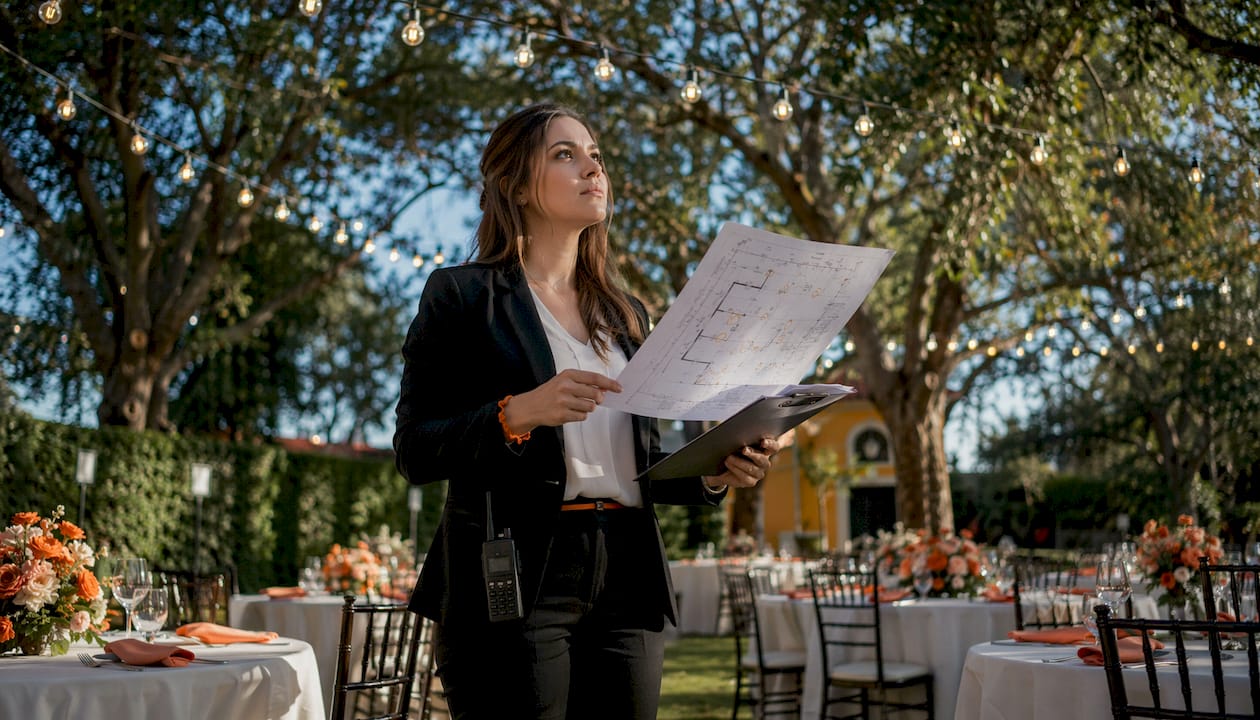
Coordinating lighting for events is the process of designing, planning, and executing a layered lighting system that shapes atmosphere, guides attention, and supports every phase of the event program. Done well, it turns a plain venue into an experience guests remember. Done poorly, it leaves speakers squinting, cameras washing out, and guests feeling like they wandered into a warehouse. This guide covers the core techniques, planning steps, and execution strategies you need to get it right, whether you are running a corporate gala in Fort Worth or a backyard celebration in Mansfield.
How to coordinate lighting for events: the core framework
Event lighting coordination is built on three layers: ambient, key, and accent lighting. Ambient lighting fills the space with a base level of illumination. Key lighting targets specific areas like a stage, podium, or head table. Accent lighting adds depth, highlights architectural features, and creates visual interest.
Layered lighting builds visual interest and atmosphere in ways that a single overhead source never can. Each layer serves a distinct purpose, and removing any one of them makes the design feel flat or unfinished.
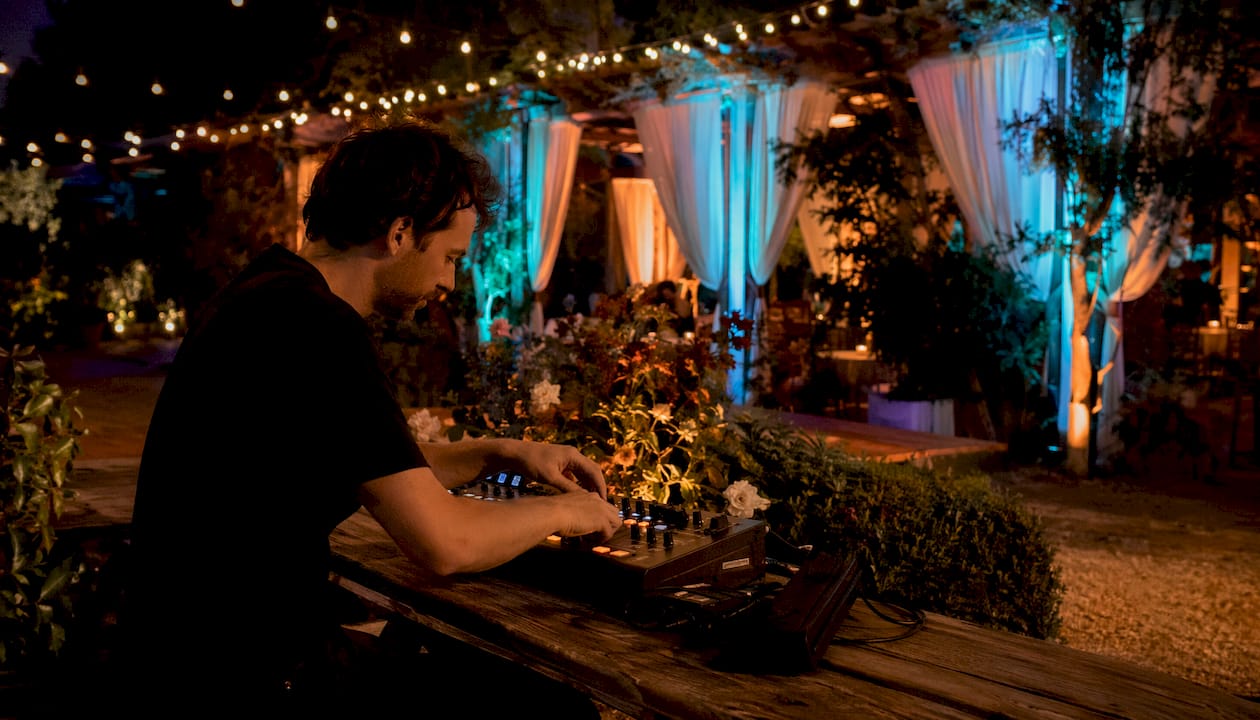
The industry term for this planning process is lighting design, and it covers everything from fixture selection to cue programming. Understanding the difference between lighting design and simply “putting up lights” is the first step toward producing events that look and feel professional.
What types of lighting work best for different event areas?
Choosing the right fixture for each zone is where lighting design for events gets specific. Here is how the main categories break down:
| Lighting type | Best use case | Key characteristic |
|---|---|---|
| Uplighting | Walls, columns, draping | Washes vertical surfaces with color |
| Wash lights | Stage, dance floor, general fill | Even, broad coverage |
| Moving heads | Concerts, galas, high-energy events | Pan, tilt, and color change |
| Gobos | Branding, pattern projection | Projects logos or patterns |
| Pin spots | Centerpieces, cake, focal objects | Tight, focused beam |
| Ambient LED strips | Bars, buffets, architectural accents | Continuous low-level color |
Uplighting fixtures should be spaced 8–12 feet apart for continuous wall coverage, with tighter spacing for textured surfaces like exposed brick. That spacing rule prevents dark gaps that break the visual flow of a room.
Color temperature matters as much as fixture type. Warm tones in the 2,700K–3,000K range feel welcoming and flattering. Cooler tones above 5,000K read as clinical or corporate. For most social events, warm amber and gold tones are the right default.
Pro Tip: Avoid mixing color temperatures in the same zone. Warm uplighting next to cool wash lights creates an uneven, unflattering look that no amount of dimming will fix.
For outdoor event lighting ideas, the same layering principles apply, but you also need to account for ambient light from streetlights, neighboring properties, and the sky itself.
How do you plan and design a lighting layout for your event?
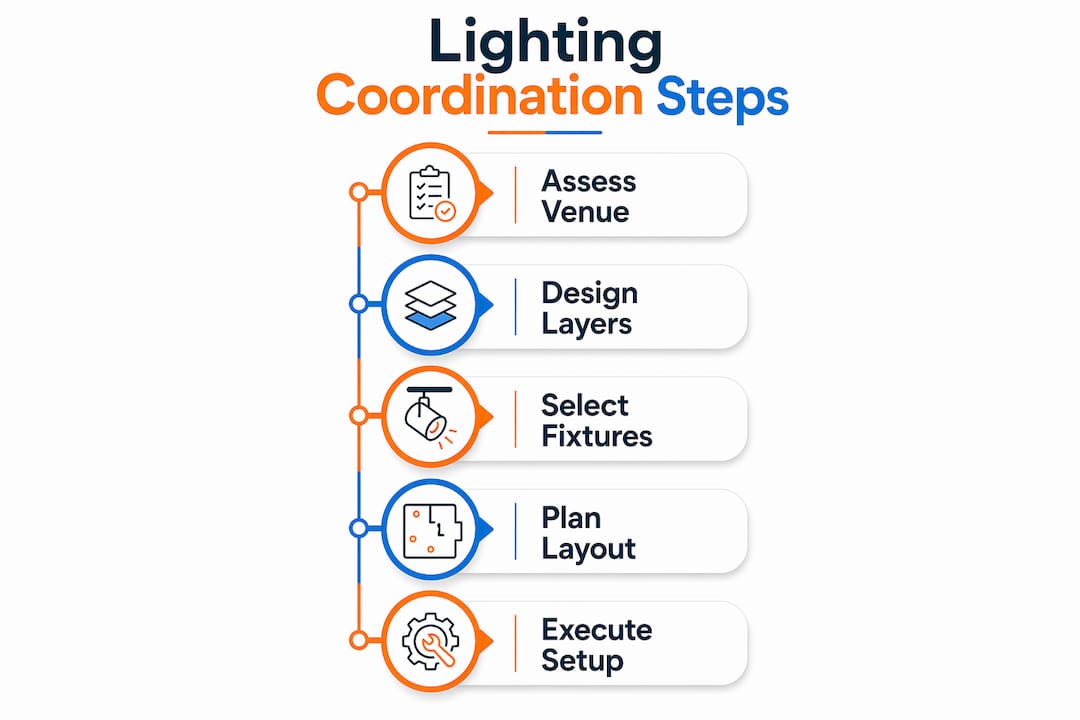
A lighting layout starts with a venue assessment, not a fixture order. Walk the space and document ceiling height, rigging points, power panel locations, and any existing architectural lighting. These details determine what is physically possible before you spend a dollar.
From that assessment, you build a lighting plot. A lighting plot is a scaled diagram that maps every fixture’s type, location, focus zone, and power connection. Lighting plots improve setup efficiency and reduce day-of failures by giving every crew member a shared reference. Skipping this step is the single most common reason events run over on load-in time.
Follow these steps to build your plan:
- Assess the venue. Document ceiling height, rigging options, power capacity, and natural light sources.
- Define your event zones. Stage, dining, bar, dance floor, entrance, and photo areas each need their own lighting treatment.
- Select fixture types per zone. Match fixture capabilities to each zone’s purpose using the table above.
- Draft the lighting plot. Place fixtures to scale, note focus angles, and label power circuits.
- Plan power distribution. Calculate total wattage per circuit and keep loads below 80% of circuit capacity to prevent breaker trips.
- Build the cue list. Write a cue for each phase of the event: arrival, program start, keynote, dinner, dancing, and close.
| Event phase | Lighting goal | Recommended approach |
|---|---|---|
| Guest arrival | Welcoming, low glare | 200–300 lux, warm amber tones |
| Program/keynote | Focus on speaker | Bright key light, dimmed fill |
| Dinner | Intimate, flattering | Warm wash, dimmed to 50–60% |
| Dancing | High energy, dynamic | Color changes, moving heads |
| Close/exit | Safe, clear | Full ambient, neutral white |
AV and lighting teams should be engaged 6–8 weeks in advance for standard corporate events, and 10–12 weeks out for complex multi-day productions. Starting late compresses the planning window and forces reactive decisions on the day.
Pro Tip: Always request a copy of the lighting plot from your vendor before the event. If they cannot produce one, that is a red flag about their preparation.
What happens on event day: setup, testing, and live operation
Load-in is where plans meet reality. Position fixtures according to the lighting plot, then focus each one before guests arrive. Focusing means physically aiming and adjusting each fixture to hit its intended target, not just pointing it in the general direction.
Testing is where most planners cut corners, and it costs them. Test lighting with real human subjects to confirm skin tone accuracy, not just mannequins or empty chairs. A key light that looks perfect on a white tablecloth can wash out a speaker’s face completely.
Camera integration is a separate concern that many planners overlook entirely. Lighting design must account for camera capture to ensure skin tones and contrast appear natural in video recordings. If your event is being filmed or live-streamed, test every lighting look through the actual camera before guests arrive.
A live lighting operator is not optional for dynamic events. Pre-programmed cues cannot adapt to a speaker who runs long, a band that changes the set list, or a moment that calls for spontaneous adjustment. A live operator executes cues in real time and keeps the lighting in sync with what is actually happening on the floor.
Common day-of mistakes to avoid:
- Skipping the focus session because load-in ran late
- Failing to test lighting at the actual dimmer levels you plan to use
- Leaving house lights at full during the program, which kills the mood
- Ignoring the back of the room, where guests at far tables often sit in near darkness
- Not briefing the operator on the event timeline and cue triggers
How does lighting shape event atmosphere and support the event narrative?
Intentional lighting supports the event’s narrative arc by emphasizing key moments and softening transitions. This is the creative side of lighting coordination, and it is what separates a technically correct setup from one that guests actually feel.
Color changes are the most powerful tool for shifting mood. Moving from warm amber during cocktail hour to a cooler, brighter white for the keynote signals to guests that the tone has shifted, without anyone making an announcement. Dimming the room by 20–30% during dinner creates intimacy. Bringing up saturated colors on the dance floor signals that the night has shifted into celebration mode.
Coordinate your lighting transitions with the event program:
- Arrival: Warm gold tones at 200–300 lux create a welcoming first impression without glare.
- Keynote or ceremony: Bright, focused key light on the speaker or focal point, with fill lights dimmed to draw attention.
- Dinner or reception: Warm, dimmed wash across the room, with pin spots on centerpieces and the head table.
- Dancing or entertainment: Dynamic color shifts, moving heads, and higher intensity to build energy.
- Close: Gradual return to neutral white ambient light to signal the end of the program.
Brand colors belong in the lighting plan, not just on the signage. Gobo projections of a company logo, brand-colored uplighting on key walls, and color-matched wash lights on the stage all reinforce visual identity without additional printed materials. For coordinating lighting colors across a venue, consistency between zones is more important than any single dramatic effect.
Should you hire a professional or handle lighting yourself?
The answer depends on complexity, not budget alone. DIY lighting works well for smaller gatherings where the setup involves plug-and-play LED fixtures, no rigging, and a single room. The moment you add rigging, dimmer racks, moving heads, or camera integration, professional expertise becomes necessary.
Use these criteria to decide:
- Rigging required: Any fixture hung above head height needs a qualified rigger and load calculations.
- Multiple power circuits: Power distribution across a venue requires an electrician or certified AV technician.
- Live camera or broadcast: Camera-optimized lighting requires professional color calibration.
- Cue-based programming: Complex cue lists require a lighting console operator with show experience.
When vetting vendors, always ask for a lighting plot, a cue list, and references from comparable events. A vendor who cannot produce a lighting plot is working without a plan.
Pro Tip: Ask vendors for their certifications. ETCP (Entertainment Technician Certification Program) credentials indicate a rigger or electrician who has met a recognized industry safety standard.
For best practices on LED lighting in residential and commercial settings, the same principles of load management and fixture placement apply regardless of event scale.
Key Takeaways
Effective event lighting coordination requires layered design, a detailed lighting plot, load-safe power distribution, and a live operator for dynamic events.
| Point | Details |
|---|---|
| Layer your lighting | Use ambient, key, and accent lighting together to build depth and direct attention. |
| Build a lighting plot | Map every fixture before load-in to reduce errors and speed up setup. |
| Manage power safely | Keep circuit loads below 80% of capacity to prevent breaker failures during the event. |
| Test with real people | Confirm skin tone accuracy and camera performance with live subjects, not static objects. |
| Match lighting to event phases | Shift color, intensity, and focus at each program transition to reinforce the event narrative. |
Why lighting is the most underestimated production element
Most event planners I work with spend months on catering, florals, and entertainment, then allocate two weeks and a fraction of the budget to lighting. That order of priorities is backwards. Guests eat the food once and hear the band for a few hours. The lighting is present in every photo, every video frame, and every memory they form of the space.
The most common regret I hear after events is not “the food was wrong” or “the band started late.” It is “the photos look terrible” or “the room felt flat.” Both of those outcomes trace directly to lighting decisions made too late or too cheaply.
What I have found actually works is treating the lighting plot the same way you treat the event timeline: as a living document that gets updated as the program evolves. When the keynote speaker changes their setup, the lighting plot changes too. When the client adds a surprise award presentation, a cue gets added. That kind of integration between lighting and program management is what separates events that feel produced from events that feel thrown together.
The other thing I push hard on is live operation. Pre-programmed shows are fine for concerts where the set list is fixed. Corporate events, weddings, and galas are live productions with real humans making real-time decisions. Your lighting needs to respond to that. A competent operator watching the room and calling cues is worth more than any amount of pre-show programming.
— Adrian
Dfwledpro brings professional lighting expertise to the DFW area
Planning a well-lit event in the Dallas-Fort Worth area means having a reliable installation partner who understands both the technical and creative sides of the work.
Dfwledpro is the official authorized JellyFish Lighting dealer for the DFW metroplex, serving Arlington, Fort Worth, Mansfield, Grand Prairie, Burleson, and 30+ surrounding communities. We install permanent outdoor LED systems for residential and commercial properties, built to handle Texas weather and designed to perform event after event. Whether you need commercial LED lighting for a venue or a permanent residential installation for year-round celebrations, our team handles the planning, installation, and support. Explore our permanent LED installation services to see what a professionally planned lighting system looks like in practice.
FAQ
How far in advance should I plan event lighting?
Engage your lighting team 6–8 weeks ahead for standard events and 10–12 weeks out for complex multi-day productions. Starting earlier gives you time to build a proper lighting plot and cue list.
What is a lighting plot and do I need one?
A lighting plot is a scaled diagram showing every fixture’s location, type, focus zone, and power connection. Every event with more than basic plug-and-play fixtures needs one to avoid setup errors and day-of failures.
How do I prevent power failures during an event?
Keep circuit loads below 80% of each circuit’s rated capacity. Overloading circuits is the leading cause of breaker trips that black out events mid-program.
Do I need a live lighting operator for my event?
Yes, for any event with multiple cues, live speakers, or entertainment. Pre-programmed shows cannot adapt to real-time changes, and a live operator is the only way to keep lighting in sync with what is actually happening.
How do I make sure lighting looks good on camera?
Test every lighting look through the actual camera you plan to use, with real people in frame, before guests arrive. Camera sensors read color and contrast differently than the human eye, and what looks good in the room may not translate to video.