LED Lighting for Celebrations: Transform Any Event
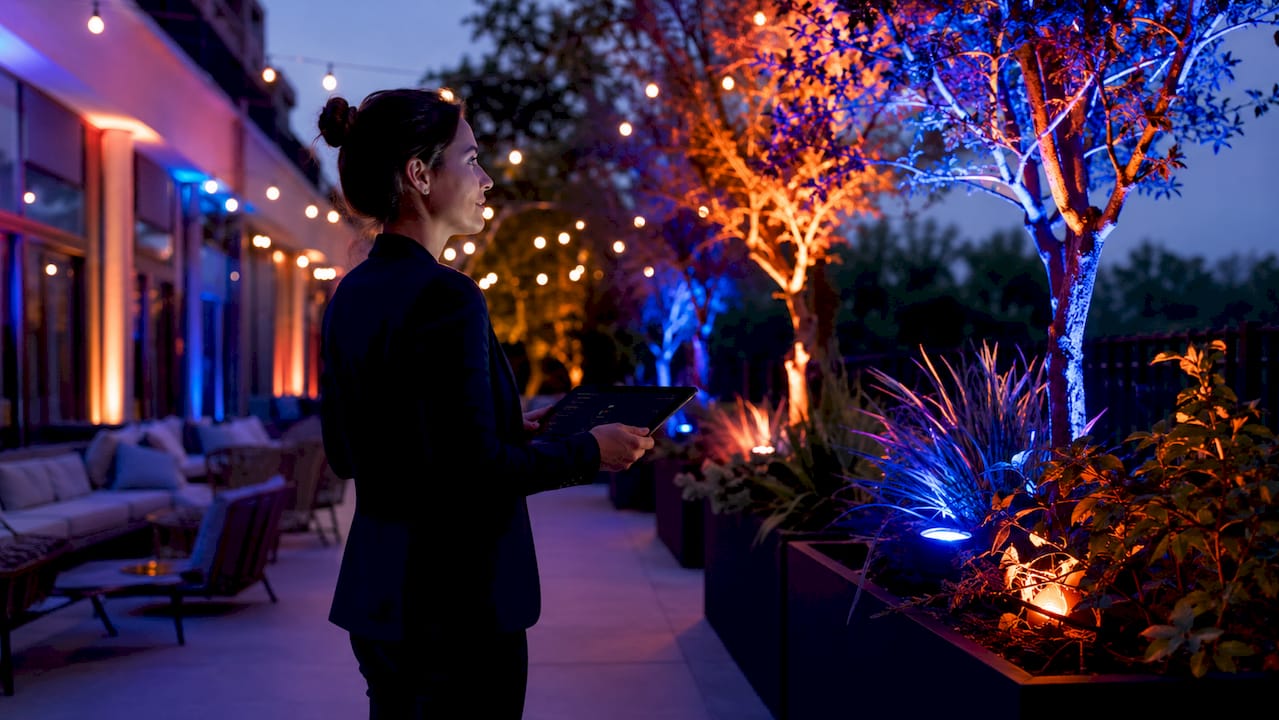
LED lighting is the most versatile tool for transforming a celebration space, delivering mood control, visual drama, and energy efficiency in a single system. The role of LED lighting for celebrations goes far beyond decoration. It shapes how guests feel, where they look, and how long the energy of an event lasts. Professional event designers rely on LED technology because it combines color control and dynamic effects with a fraction of the running cost of traditional bulbs. Whether you are planning a backyard birthday party in Grand Prairie or a formal wedding reception in Fort Worth, LED lighting gives you the tools to create exactly the atmosphere you want.
What is the role of LED lighting for celebrations?
LED lighting defines the atmosphere of a celebration by controlling color, intensity, and movement across an entire venue. This is not a minor detail. Lighting is the single fastest way to shift how a space feels, and LEDs give you more control over that shift than any other light source.
The core functions of LED lighting at events fall into three categories:
- Mood setting: Warm white LEDs at 2700K–3000K create an intimate, relaxed atmosphere for wedding dinners or family gatherings. Cool white LEDs at 5000K–6500K push energy levels up for dance floors and outdoor parties.
- Focal highlighting: Spotlights and moving head fixtures draw attention to key moments. Professional lighting designers use spotlights and par cans to highlight cake cuttings, entrances, and stage performances.
- Visual transformation: LED washes, color floods, and decorative string lights change the perceived size, warmth, and character of a space entirely.
The psychological impact of LEDs extends beyond aesthetics. Soft, controlled LED glow reduces stress and builds communal joy during celebrations. That is why the right lighting setup does not just look good. It makes guests feel good.
Pro Tip: Match your color temperature to the event phase. Use warm amber tones during dinner and cocktail hours, then shift to saturated colors like deep blue or magenta when the dancing starts.
How does LED color temperature affect event mood?
Color temperature is a fundamental tool for mood regulation in event lighting design. Cooler light increases alertness and energy in active areas like dance floors. Warmer tones promote relaxation in dining zones and intimate corners.
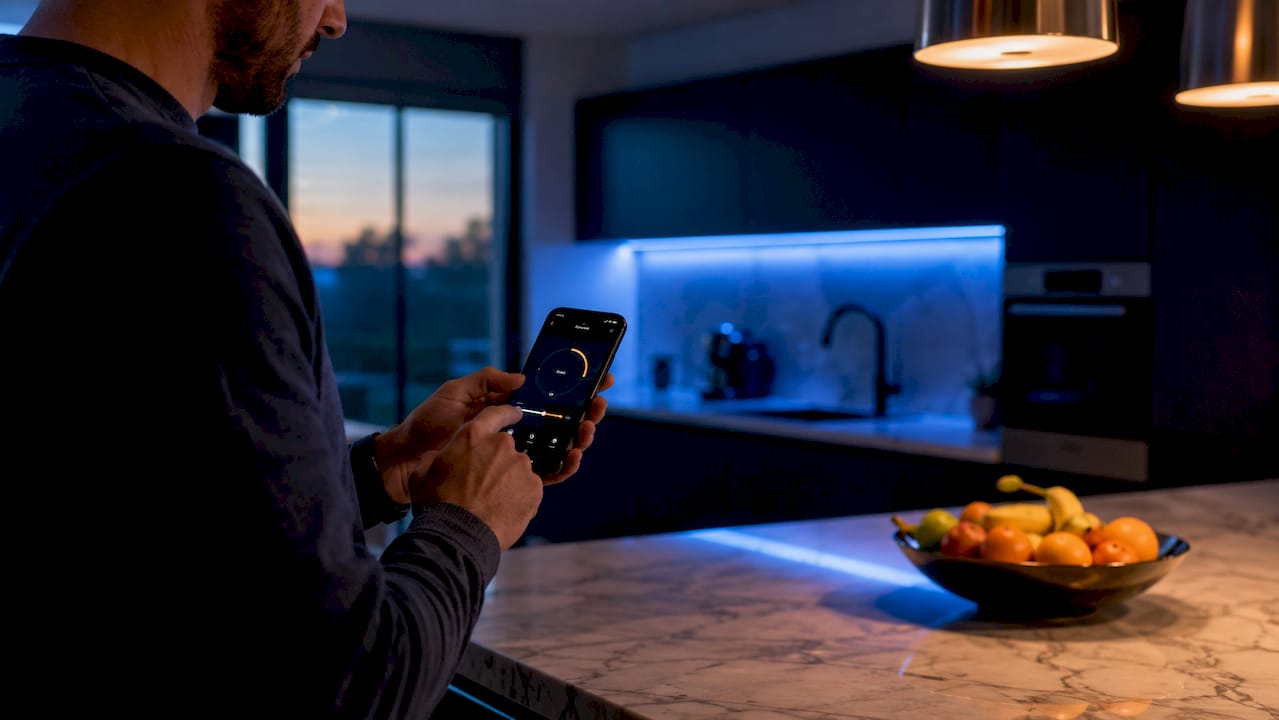
This distinction matters more than most event planners realize. A reception hall lit at 6000K feels clinical and cold, no matter how beautiful the floral arrangements are. The same room at 2800K feels warm, welcoming, and memorable. Smart LED controllers from brands like Philips Hue or JellyFish Lighting let you program these shifts automatically across the night.
Layered lighting takes this further. Combining a warm ambient wash with cool accent spots creates depth and visual interest. Moving head fixtures rotate to project colorful patterns across walls and ceilings, adding motion that static lighting cannot achieve. For outdoor celebrations, LED uplighting along fences or tree lines adds dimension without requiring complex rigging.
Are LED lights more cost-effective than traditional bulbs for events?
LEDs use 80–90% less energy than traditional incandescent bulbs. That gap is significant when you are running dozens of fixtures across a multi-hour event.
The lifespan difference is even more striking. LEDs last 25,000–50,000 hours compared to roughly 1,000 hours for incandescent bulbs. For event planners who reuse their lighting setup across multiple celebrations, that translates directly into lower replacement costs and less time spent swapping bulbs before each event.
| Feature | LED Lighting | Incandescent Lighting |
|---|---|---|
| Energy use | Up to 90% less | Baseline |
| Lifespan | 25,000–50,000 hours | ~1,000 hours |
| Heat output | Low | High |
| Color control | Full RGB spectrum | Limited |
| Maintenance frequency | Low | High |
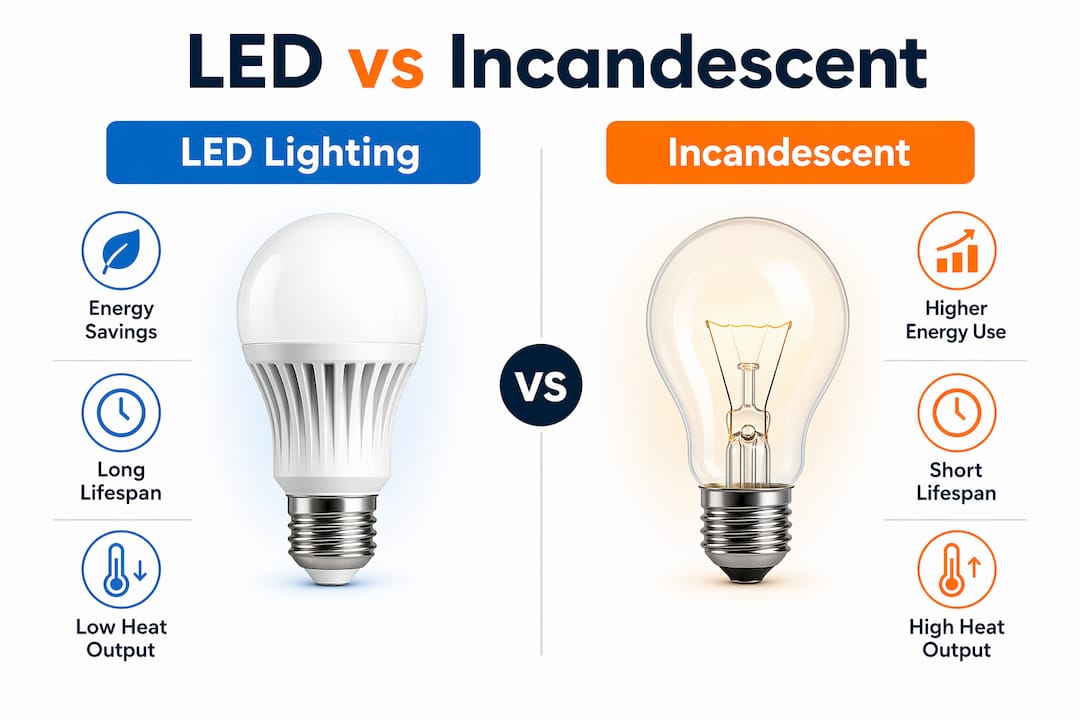
The lower heat output of LEDs also reduces safety risk. Incandescent bulbs get hot enough to ignite fabric decorations and paper goods. LEDs stay cool to the touch, making them far safer around tablecloths, draping, and floral arrangements. For more on LED vs. traditional bulbs, the difference in running costs becomes clear quickly.
What types of LED lighting work best for parties and events?
The LED lighting market offers a wide range of fixture types, each suited to a different role in a celebration setup. Knowing which fixture does what saves you time and money when planning your layout.
- LED strip lights: Flexible, adhesive-backed strips that work along table edges, staircases, bar counters, and ceiling perimeters. A standard 16-foot kit installs in 15–30 minutes with minimal tools.
- Par cans and wash lights: Floor-mounted or rigged fixtures that flood walls, backdrops, and dance floors with color. These are the workhorses of professional event lighting.
- Moving head fixtures: Motorized lights that rotate and project patterns. They add motion and drama to stage performances, first dances, and grand entrances.
- Decorative string lights: Warm globe or Edison-style LED strings for outdoor patios, pergolas, and tent ceilings. They create a relaxed, festive atmosphere without complex setup.
- Intelligent LED systems: Modern fixtures that combine multiple functions in a single unit, reducing cabling complexity while enabling strobes, pattern projections, and color chases.
Smart controller apps let you synchronize colors and effects across all fixture types from a single device. This is where LED decorations for parties become genuinely interactive. You can program a color shift from gold to deep red at midnight, or sync your lights to a music playlist, without hiring a lighting technician. For outdoor setups, check out smart outdoor LED controls to see how app-based systems work in practice.
How to install and use LED lights effectively at events
Getting the most from your LED setup comes down to four practical steps. Skipping any one of them is the most common reason DIY event lighting looks flat or fails mid-event.
-
Prep surfaces before mounting strips. Clean every surface with 90%+ isopropyl alcohol before applying LED strip adhesive. Invisible surface oils cause adhesive failure within weeks. This step takes two minutes and prevents your strips from peeling off mid-party.
-
Wire long runs in parallel, not in series. Avoid daisy-chaining LED strips beyond 5 meters. Parallel wiring prevents voltage drop and color shift across long runs. If one section of your strip looks dimmer or a different color than the rest, voltage drop is almost always the cause.
-
Size your power supply correctly. Always use a power supply rated at 120% of your total LED wattage. Running a power supply at full capacity causes thermal stress and driver failure. A 20% safety margin keeps your system running reliably through a five-hour event.
-
Layer your lighting for different event phases. Use warm ambient lighting during arrivals and dinner. Shift to dynamic color effects for dancing and toasts. Layering creates a natural rhythm to the event and keeps the atmosphere from feeling static.
Pro Tip: Test your full lighting setup at least 24 hours before the event. Power supplies, controllers, and strips all behave differently under load. A dry run catches failures before guests arrive.
For more guidance on LED installation best practices, the same principles that apply to home setups translate directly to event spaces.
Key Takeaways
LED lighting transforms celebrations by combining mood control, energy efficiency, and visual versatility in a system that outperforms traditional lighting on every measurable dimension.
| Point | Details |
|---|---|
| Mood control through color temperature | Use warm tones (2700K–3000K) for dining and cool tones (5000K+) for active areas. |
| Major energy savings | LEDs use up to 90% less energy and last 25,000–50,000 hours versus ~1,000 for incandescent bulbs. |
| Fixture variety drives creativity | Strips, par cans, moving heads, and string lights each serve a distinct role in event design. |
| Correct installation prevents failure | Parallel wiring, surface prep, and a 20% power supply margin are non-negotiable for reliable setups. |
| Smart controls add interactivity | App-based controllers let you program color shifts and effects without a lighting technician. |
Why I think most event planners underestimate their lighting
After working with homeowners and event hosts across the Dallas-Fort Worth area, I have noticed one consistent pattern. People spend thousands on catering, florals, and venue rental, then treat lighting as an afterthought. They grab a string of cheap incandescent lights from a big-box store and call it done. The result is a beautiful venue that feels flat in photos and forgettable in person.
The shift I have seen in clients who invest properly in LED lighting is not subtle. A backyard in Mansfield with a well-planned LED setup, warm uplighting on the fence line, color-washed pergola posts, and a smart controller running a programmed sequence, looks like a professional venue. Guests notice. They stay longer. The energy of the event holds.
What surprises most people is how affordable that transformation has become. Intelligent LED systems now combine multiple effects in a single fixture, which means you need fewer units to achieve a complex look. The running costs are low enough that you can leave your setup on for the full event without worrying about the electricity bill.
My honest advice: plan your lighting before you plan your centerpieces. Light shapes how every other element in the room looks. Get that right first, and everything else benefits.
— Adrian
How Dfwledpro can light up your next celebration
Dfwledpro installs permanent JellyFish LED lighting systems across 35+ cities in the Dallas-Fort Worth metroplex, including Arlington, Fort Worth, Mansfield, and Grand Prairie. JellyFish systems are built for exactly the kind of dynamic, programmable lighting that makes celebrations memorable. Full RGB color control, app-based scheduling, and commercial-grade durability mean your setup works flawlessly whether you are hosting a backyard graduation party or a large venue event. Explore JellyFish commercial LED solutions to see what a professionally installed, permanent LED system can do for your property and your next event.
FAQ
What is the main role of LED lighting at celebrations?
LED lighting sets the mood, highlights focal points, and transforms the visual character of a space. It gives event planners precise control over atmosphere through color temperature, intensity, and dynamic effects.
How much energy do LED lights save compared to incandescent bulbs?
LEDs use up to 90% less energy than incandescent bulbs and last 25,000–50,000 hours versus roughly 1,000 hours for incandescent options. That gap makes LEDs the clear choice for any event host managing costs.
Can I control LED event lighting from my phone?
Yes. Smart LED controllers and app-based systems let you program color shifts, effects, and schedules from a single device. JellyFish Lighting and similar systems support full app control for both residential and commercial setups.
How do I prevent LED strip lights from falling off during an event?
Clean the mounting surface with 90%+ isopropyl alcohol before applying the adhesive backing. Skipping this step is the leading cause of strip failure, because invisible surface oils prevent the adhesive from bonding properly.
What LED fixture types work best for outdoor celebrations?
Decorative string lights, LED par cans, and strip lights all perform well outdoors. For permanent outdoor setups, look for fixtures rated IP65 or higher to handle weather exposure reliably.