Home Accent Lighting Inspirations for Every Room
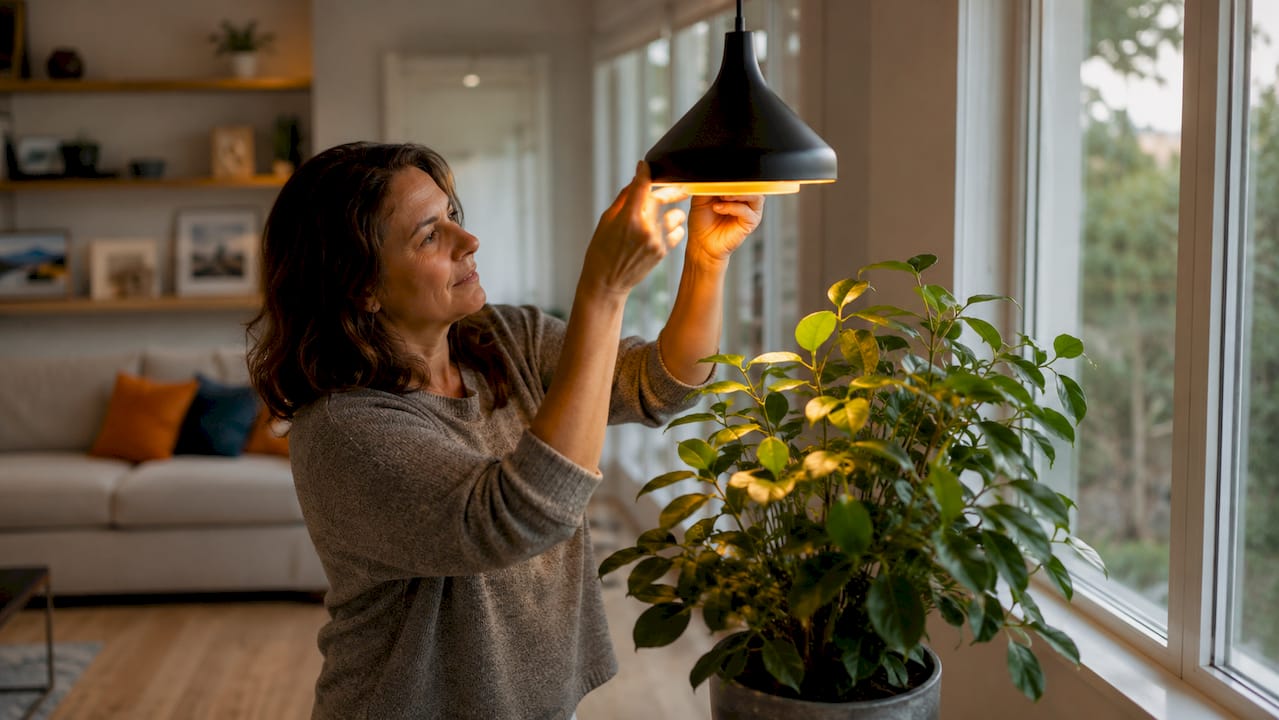
Accent lighting is the deliberate use of focused light to highlight architectural features, artwork, or decorative elements in a home. The best home accent lighting inspirations go beyond decoration. They use layered light sources, warm color temperatures, and energy-efficient LEDs to shape how a room feels and functions. The 3-layer lighting rule — ambient, task, and accent — is the foundation of every well-designed interior in 2026. Get the layers right, and even a modest room feels curated and intentional.
1. What are the most effective layered accent lighting styles?
Layered accent lighting is the single most impactful upgrade you can make to any room. A minimum of three light sources at different heights is required for a room to feel balanced and inviting. Large living rooms can comfortably support 10 or more sources when properly layered and dimmed. That variety eliminates the flat, harsh look that a single overhead fixture creates.
The most effective accent lighting styles and fixtures include:
- Table lamps with warm linen or ceramic shades. These produce soft, inhabited light that makes a room feel lived-in rather than staged. Place them at seated eye level for the most flattering effect.
- Directional spotlights. Use these to draw attention to artwork, textured walls, or architectural details. Aim the beam at a 30-degree angle from the wall to minimize glare.
- Wall sconces. Dimmable wall sconces at 2700K add timeless elegance and cozy warmth. Rectangular or cylindrical designs suit modern interiors and meet IP20 indoor standards.
- Floor lamps. These fill corner shadows and add vertical interest. A tall arc floor lamp behind a sofa creates a reading zone without requiring any wiring.
- LED strip lights. Install these under shelves, behind furniture, or along toe kicks to add depth and a soft ambient glow. They work especially well in media walls and kitchen cabinetry.
- Uplights. Place these at the base of columns, plants, or textured walls to add drama and visually raise ceiling height. Uplighting adds drama while downlighting creates intimate light pools.
Pro Tip: Every seating position in a room should have a light source within reach. If someone has to sit in the dark, the lighting plan is incomplete.
2. How to choose color temperature, CRI, and beam angles

The technical choices you make for accent lighting determine whether a room looks polished or amateur. 2700K warm white bulbs are the 2026 industry standard for residential spaces. They produce a soft golden glow that lowers cortisol levels and creates a relaxing atmosphere. That is the exact quality you want in living rooms, bedrooms, and dining areas.
Key specifications to prioritize:
- Color temperature: 2700K. This warm white tone suits most residential spaces. Avoid 4000K or 5000K bulbs in living areas. Those cooler tones work in garages and workshops, not bedrooms.
- CRI 90 or higher. LEDs with CRI 90+ render colors accurately, which matters most when lighting artwork, textiles, or wood finishes. A low-CRI bulb makes colors look washed out or wrong.
- Beam angles of 15°–30°. Narrow beam angles focus light precisely and avoid unwanted spillover onto adjacent surfaces. Use 15° for spotlighting a single painting and 30° for a wider architectural feature.
- Dimmers. Install dimmers on every accent circuit. They let you shift from bright and functional to soft and atmospheric without changing a single fixture.
- LED efficiency. Flexible LED linear systems can reduce energy consumption by up to 60% compared to traditional lighting. That savings adds up fast across a fully layered home.
Pro Tip: When buying LED strips, always check the CRI rating on the packaging. Many budget strips ship with CRI 70 or lower, which will make your carefully chosen wall color look completely different at night.
3. Creative accent lighting ideas for every room in your home
The right fixture in the right room does more than light a space. It defines the room’s personality. These creative lighting ideas are organized by room so you can apply them directly.
-
Entryways. A sculptural pendant or chandelier at the entry sets the tone for the entire home. Pair it with two flanking wall sconces to eliminate shadows on faces and create a welcoming first impression. The entry is the one place where a bold, unique lighting fixture pays off most.
-
Living rooms. Layer at least four sources: a floor lamp, two table lamps, and LED strips behind the TV or along shelving. Add a picture light above your main artwork. This combination creates the moody, layered glow that feels warm and intentional rather than bright and clinical.
-
Bedrooms. Replace the single overhead fixture with two bedside pendant lights or wall-mounted sconces. Add a dimmable LED strip behind the headboard for a soft backlight. This layered approach supports both reading and winding down, without requiring you to get up to switch off the main light.
-
Kitchens. Under-cabinet LED strips are the most practical accent lighting upgrade in any kitchen. They illuminate the countertop directly, reduce eye strain during food prep, and add a clean, finished look to the space. Pair them with pendant lights over the island for a complete layered effect.
-
Dining rooms. A statement pendant centered over the table is the anchor. Drop it low, roughly 30–36 inches above the tabletop, for the most flattering light on food and faces. Add a dimmer so the same fixture works for both a weeknight dinner and a dinner party.
-
Home offices. Task lighting at the desk is non-negotiable. Add a small directional spotlight aimed at a bookshelf or gallery wall behind you. This creates visual depth on video calls and makes the space feel designed rather than improvised.
-
Outdoor spaces. Wall-mounted sconces at the front door, pathway LED fixtures, and string lights across a patio each serve a different purpose. Sconces provide safety and curb appeal. Pathway lights guide movement. String lights create atmosphere. Use all three for a complete outdoor lighting plan. For permanent, color-adjustable outdoor solutions, LED accent systems from a professional installer offer far more flexibility than seasonal options.
-
Hallways and corridors. Wall sconces spaced evenly along a corridor replace the need for a ceiling fixture entirely. Mount them at 60–66 inches from the floor for the most comfortable light distribution. This approach also makes narrow hallways feel wider and more architectural.
4. How professionals install accent lighting for maximum impact
Professional-quality accent lighting comes down to fixture choice, placement discipline, and wiring control. Monopoint fixtures are the professional installer’s preferred tool for precise accent lighting without visual clutter. They mount flush over a junction box and offer full articulation, meaning you can aim them exactly where you need the light without a track system taking up ceiling space.
| Installation method | Best use case | Key advantage |
|---|---|---|
| Monopoint fixtures | Artwork, niches, focal points | Compact, fully adjustable, no track required |
| Track lighting | Flexible multi-point rooms | Repositionable heads, single circuit |
| Recessed directional | Clean ceiling aesthetic | Flush finish, minimal visual impact |
| LED strip in aluminum extrusion | Shelving, toe kicks, coves | Uniform glow, no hotspots |
| Wall sconces | Corridors, bedrooms, flanking art | Architectural detail, no ceiling work |
Aluminum extrusion profiles with opal diffusers prevent visible hotspots in LED strip installations. This matters most in high-end finishes where a dotted or uneven glow would undermine the quality of the surrounding materials. The diffuser spreads the light evenly across the full length of the strip.
For wiring and dimming, the choice between DIY and a licensed electrician depends on the complexity of the circuit. Surface-mounted sconces and plug-in floor lamps are straightforward DIY projects. Recessed fixtures, in-wall dimmers, and any work inside the electrical panel require a licensed electrician. Getting the wiring right the first time protects both your home and your investment in quality fixtures.
Pro Tip: Always buy 10–15% more LED strip than you think you need. Cutting strips to length is easy. Splicing in an extra section after the fact is not.
For a deeper look at how LED technology fits into modern home design, the 2026 LED home design guide from Dfwledpro covers placement, fixture types, and energy planning in detail.
Key takeaways
Accent lighting is not decorative afterthought. It is the layer that gives a room visual depth, warmth, and personality, and it requires deliberate fixture selection, correct color temperature, and layered placement to work.
| Point | Details |
|---|---|
| Use the 3-layer rule | Combine ambient, task, and accent sources at varied heights in every room. |
| Choose 2700K and CRI 90+ | Warm white bulbs with high color rendering accuracy produce the most flattering residential light. |
| Narrow beam angles for art | Use 15°–30° beam angles to spotlight artwork without light spill onto surrounding walls. |
| Install dimmers on every circuit | Dimmers let you shift the mood of a room without changing a single fixture. |
| Match fixture to function | Use monopoints for art, sconces for corridors, LED strips for shelving, and floor lamps for corners. |
Why accent lighting deserves more respect than it gets
Accent lighting is the editorial voice of a room, directing attention and adding depth that prevents flat, uninviting spaces. Lighting impacts a room as significantly as flooring, paint, or finishes. That is not an exaggeration. I have walked into rooms with beautiful furniture and expensive finishes that felt cold and uncomfortable because every light source was a recessed can in the ceiling.
The most common mistake I see homeowners make is treating accent lighting as the last step, something to add after everything else is done. That thinking produces rooms where the lighting fights the design instead of supporting it. The best results come when lighting is planned alongside furniture layout and finish selection, not after.
Client requests in 2026 are trending clearly toward warm, layered, dimmable systems. Homeowners want the ability to shift a room from functional to atmospheric with a single dimmer adjustment. That flexibility is not a luxury. It is what separates a room that works at 7 a.m. from one that also works at 9 p.m.
The misconception that accent lighting is merely decorative is the one I push back on hardest. Accent lighting gives rooms the visual depth and interest that make them feel complete. Without it, even the most thoughtfully designed room looks unfinished.
— Adrian
Bring your lighting vision to life with Dfwledpro

Dfwledpro is the official authorized JellyFish Lighting dealer for the Dallas-Fort Worth metroplex, serving residential and commercial properties across Arlington, Fort Worth, Mansfield, Grand Prairie, and 35+ surrounding cities. Whether you want permanent outdoor LED accent systems or guidance on energy-efficient interior lighting, we bring professional-grade solutions to your home. Our commercial and residential LED systems are built for durability, color accuracy, and long-term performance. Contact Dfwledpro to discuss your accent lighting goals and get a plan that fits your home and your budget.
FAQ
What is accent lighting and how does it differ from ambient lighting?
Accent lighting is focused, directional light used to highlight specific features like artwork, architectural details, or decorative objects. Ambient lighting provides the general, overall illumination of a room. Both layers are required for a complete lighting plan.
What color temperature is best for home accent lighting?
2700K warm white is the recommended color temperature for residential accent lighting in 2026. It produces a soft golden glow that feels relaxing and flattering in living rooms, bedrooms, and dining areas.
How many light sources does a room need?
A well-designed room requires a minimum of three light sources at different heights, covering ambient, task, and accent layers. Larger living rooms can support 10 or more sources when properly layered and dimmed.
Can I install accent lighting myself or do I need an electrician?
Plug-in floor lamps, surface-mounted sconces, and LED strip lights are practical DIY projects. Recessed fixtures, in-wall dimmers, and any work at the electrical panel require a licensed electrician for safety and code compliance.
What is the best fixture for spotlighting artwork?
Monopoint fixtures are the professional standard for spotlighting artwork. They mount flush to the ceiling, offer full directional adjustment, and keep the ceiling clean without a track system. Pair them with a 15°–30° beam angle bulb and CRI 90+ LEDs for accurate color rendering.