Home Accent Lighting Inspirations for 2026
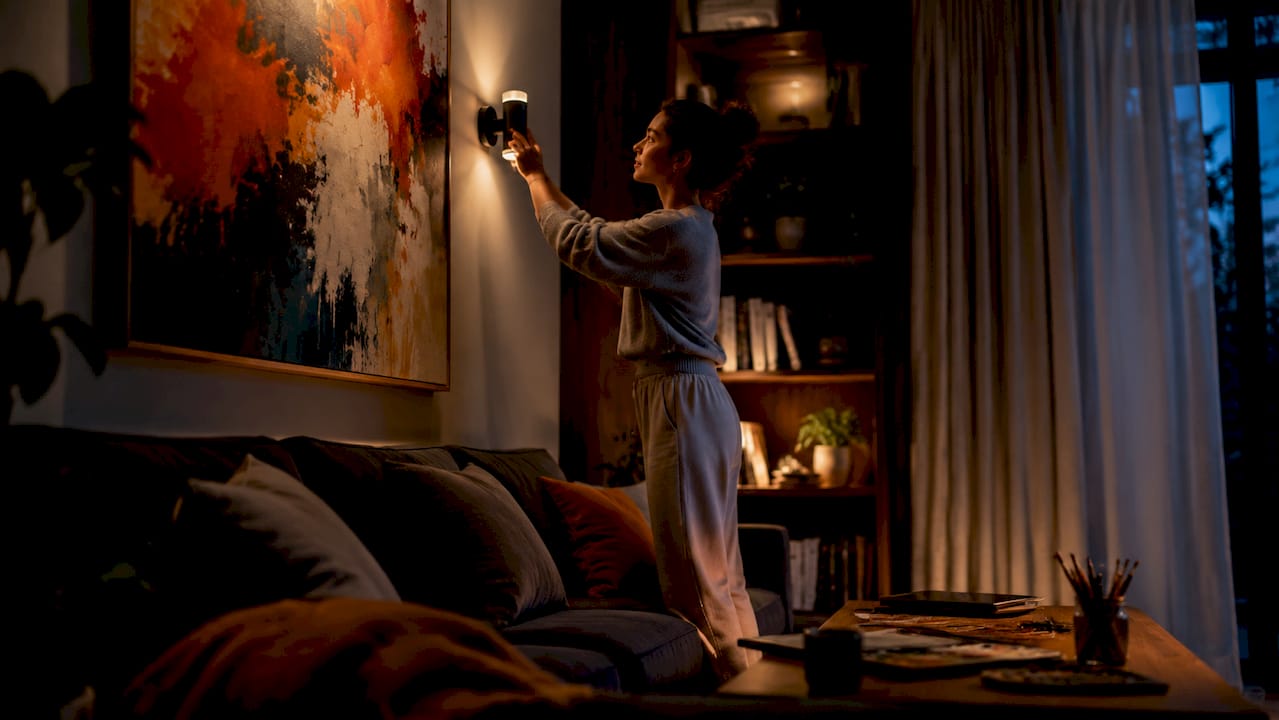
Accent lighting is the deliberate use of focused light sources to highlight architectural features, artwork, or décor while creating mood and visual depth in a room. The best home accent lighting inspirations combine warm 2700K bulbs, energy-efficient LEDs, and layered fixture placement to transform ordinary spaces into rooms that feel intentional and lived-in. Interior designers follow the 3-layer lighting rule: ambient light sets the base, task light serves function, and accent light directs attention. Getting all three layers right is what separates a flat, uninviting room from one that feels genuinely designed.
1. what are the most effective layered accent lighting styles?
Layered accent lighting is the professional standard for residential spaces. A well-designed room requires a minimum of three light sources at different heights to be effective. Large living rooms can comfortably support 10 or more sources when properly layered and dimmed. That number sounds high until you start counting table lamps, floor lamps, sconces, and LED strips together.
The most effective fixture types for layered accent lighting include:
- Table lamps with warm linen or ceramic shades produce soft, diffused pools of light that make a room feel inhabited rather than staged. Place them at seated eye level, roughly 58–62 inches from the floor to the center of the shade.
- Directional spotlights and flexible LED linear profiles work best for artwork and feature walls. They focus light precisely without washing the entire wall.
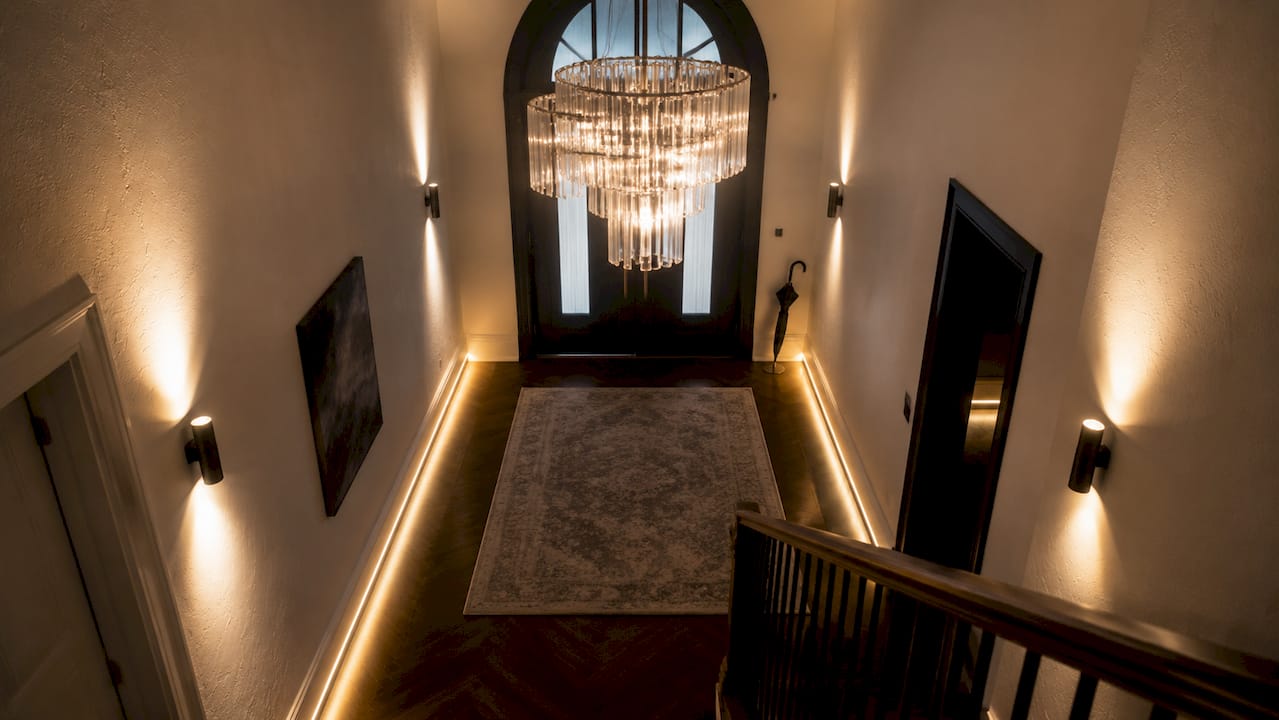
- Wall sconces and uplights add dimension to corridors, stairwells, and architectural elements. Dimmable wall sconces at 2700K add timeless elegance and cozy warmth, making them ideal for bedroom and hallway applications.
- Floor lamps fill corner shadows and add vertical interest that overhead fixtures cannot provide. Every seating position should have a light source within reach so no one sits in the dark.
- LED strips under shelves or behind furniture add depth and ambient glow without visible fixtures. They work especially well behind floating shelves, under kitchen cabinets, and along toe kicks.
Lighting direction matters as much as the fixture itself. Uplighting adds drama and visually raises ceiling height, while downlighting creates intimate pools that draw the eye inward.
2. how to choose color temperature, CRI, and beam angles
Choosing the right technical specifications is the single most important decision in accent lighting. Get these wrong and even expensive fixtures will look flat or unflattering.
Here is what to prioritize:
- Color temperature at 2700K. Warm white 2700K bulbs lower cortisol levels and produce a soft golden glow that reads as high-end and residential. Cooler bulbs at 4000K or above feel clinical in living spaces.
- CRI 90 or higher. LEDs with CRI 90+ render colors accurately, which matters most when lighting artwork, textiles, or wood finishes. A low-CRI bulb makes a rich burgundy sofa look muddy brown.
- Beam angles of 15°–30° for spotlighting. Narrow beam angles focus light precisely and avoid spill onto adjacent surfaces. Use a 15° beam for a single framed print and a 30° beam for a wider bookcase display.
- Dimmers on every accent circuit. Dimmers let you shift from bright and functional during the day to warm and atmospheric in the evening without changing a single fixture.
- LED wattage of 4W–6W for accent applications. Modern LED systems can reduce energy consumption by up to 60% compared to traditional halogen sources at equivalent brightness.
Pro Tip: When buying LED bulbs for accent fixtures, check both the color temperature (2700K) and the CRI rating (90+) on the packaging. Many budget bulbs list only one or neither. A bulb that fails on CRI will make your carefully chosen paint colors and furnishings look wrong regardless of how good the fixture is.
3. creative accent lighting ideas for every room
Creative lighting ideas work best when they match the function and mood of each specific space. Here is a room-by-room breakdown of accent lighting styles that deliver real results.
1. entryways
A dramatic pendant or sculptural chandelier paired with flanking wall sconces sets the tone for the entire home. The pendant handles vertical drama; the sconces soften the walls and eliminate harsh shadows at face level. Choose fixtures with warm amber glass or linen shades to maintain the 2700K palette from the moment guests walk in.
2. living rooms
The living room benefits most from layered ambient lighting concepts. Combine floor lamps in corners, table lamps at seating level, LED strips behind the TV or shelving unit, and a picture light over your main artwork. Ceiling-mounted fixtures should never be the only light source in a room. They create flat, unflattering light that makes even beautiful furniture look ordinary.
3. bedrooms
Bedrooms need restful, low-glare light. Replace overhead-only setups with bedside pendant lights or wall-mounted reading sconces, a low-wattage floor lamp in the corner, and LED strips along the base of the bed frame or behind a floating headboard. Keep all sources at 2700K and on dimmers so you can wind down gradually.
4. kitchens
Under-cabinet LED strips are the most practical creative accent lighting idea in any kitchen. They illuminate the countertop work surface directly while adding a warm glow that makes the space feel finished. Pair them with pendant lights over the island at a drop height of 30–36 inches above the counter surface for both task and decorative effect.
5. home offices
Home offices often get overlooked in accent lighting plans. A well-placed arc floor lamp behind the monitor eliminates screen glare, while a small LED strip along the back edge of the desk adds bias lighting that reduces eye strain during long sessions. Keep the color temperature at 2700K to avoid the alerting effect of cooler light during evening work hours.
6. outdoor spaces
Outdoor accent lighting extends your living space after dark. Wall-mounted sconces at the front entry, pathway LEDs along garden borders, and string lights across a patio or pergola each serve a different purpose. Pathway lights improve safety. String lights create atmosphere. Entry sconces signal welcome. Use all three together for a layered outdoor effect that mirrors what you do inside.
7. bathrooms
Bathroom lighting fails most often because designers rely on a single overhead fixture. Add vertical sconces on either side of the mirror at face height (roughly 60 inches from the floor to the center of the fixture) to eliminate the unflattering shadows that overhead-only lighting creates. A small LED strip along the base of a floating vanity adds a modern touch and serves as a low-level night light.
4. how professionals install accent lighting for maximum impact
Professional installation separates good accent lighting from great accent lighting. The fixture choice matters, but placement and control matter just as much.
| Installation Method | Best Use Case | Key Advantage |
|---|---|---|
| Monopoint fixtures | Artwork, niches, focal walls | Compact footprint, full articulation |
| Track lighting | Flexible multi-point arrangements | Repositionable without rewiring |
| Recessed adjustable trims | Clean ceiling look with directional control | Minimal visual clutter |
| LED strip in aluminum extrusion | Shelving, coves, toe kicks | Uniform glow, no visible hotspots |
| Wall sconces (hardwired) | Corridors, bedrooms, flanking mirrors | Permanent, polished appearance |
Monopoint fixtures are a professional installer’s preferred tool for precise accent lighting without visual clutter. They mount flush over a standard junction box and offer full articulation to aim light exactly where it is needed. That makes them ideal for highlighting art or niches where a full track system would look excessive.
Aluminum extrusion profiles with opal diffusers prevent visible hotspots in LED strip installations. Without the diffuser, individual LED diodes are visible as dots of light rather than a smooth wash. The extrusion also protects the strip from dust and physical damage, extending its service life significantly.
For DIY installations, plug-in sconces and battery-powered LED puck lights are legitimate options for renters or homeowners who want to test placement before committing to hardwiring. For permanent fixtures, especially those requiring new circuits or dimmer switches, a licensed electrician is the right call.
Pro Tip: Before finalizing any accent lighting plan, tape paper templates to the wall where you intend to mount sconces or spotlights. Live with the placement for a day and observe how natural light interacts with those positions at different times. Moving a paper template costs nothing. Moving a hardwired fixture costs time and money.
Key takeaways
Effective accent lighting requires layered sources at varied heights, warm 2700K color temperature, and CRI 90+ LEDs to create rooms that feel designed rather than simply lit.
| Point | Details |
|---|---|
| Layer at least three sources | Combine ambient, task, and accent lights at different heights for depth and dimension. |
| Use 2700K bulbs throughout | Warm white color temperature creates a relaxing, high-end atmosphere in every room. |
| Prioritize CRI 90+ for accuracy | High CRI LEDs render paint colors, textiles, and artwork as they truly appear. |
| Narrow beam angles for spotlighting | Use 15°–30° beams to focus accent light precisely and avoid unwanted spill. |
| Install dimmers on every circuit | Dimmers let you adapt lighting intensity from functional daytime levels to atmospheric evening moods. |
Accent lighting is the editorial voice of your home
Accent lighting is the editorial voice of a room, deliberately directing attention and adding the depth that prevents spaces from feeling flat and uninviting. That framing changed how I think about every project I work on.
Most homeowners I talk to have made the same mistake: they installed one overhead fixture, maybe a ceiling fan with a light kit, and called it done. The room is technically lit. But it feels like a waiting room rather than a home. The fix is almost never a new fixture. It is adding more sources at lower heights and putting them on dimmers.
The misconception that accent lighting is merely decorative is the most expensive mistake a homeowner can make. Accent lighting does not just look good. It makes the room function better, feel larger, and communicate something specific about the people who live there. A well-placed picture light over a piece of art you love says more about your home than any paint color.
What I find most interesting in 2026 is how client requests have shifted. Two years ago, people asked for “bright and modern.” Now they ask for “warm, layered, and dimmable.” That shift reflects a broader understanding that comfort and atmosphere are not luxuries. They are the point. If you want to learn LED best practices before your next project, the technical foundation makes every creative decision easier.
— Adrian
Bring your lighting vision to life with Dfwledpro
Dfwledpro installs permanent, high-performance LED lighting systems across the Dallas-Fort Worth metroplex, serving 35+ cities including Arlington, Fort Worth, Mansfield, and Grand Prairie. Whether you are planning indoor accent upgrades or a full outdoor lighting system, we bring the same precision and quality to every installation.

Our team works with JellyFish Lighting technology, which delivers dimmable, color-accurate LED performance built for both residential and commercial applications. If you are ready to move from inspiration to installation, explore our commercial and residential LED solutions or contact Dfwledpro directly for a consultation. We handle everything from fixture selection to final wiring so your accent lighting works exactly as planned from day one.
FAQ
What is accent lighting in home design?
Accent lighting is a focused light source used to highlight specific features, artwork, or architectural elements in a room. It differs from ambient lighting by directing attention rather than illuminating a space generally.
What color temperature is best for residential accent lighting?
2700K warm white is the industry standard for residential accent lighting in 2026. It produces a soft golden glow that lowers cortisol levels and creates a relaxing, high-end atmosphere.
How many light sources does a room need?
A well-designed room requires a minimum of three light sources at different heights, combining ambient, task, and accent layers. Larger living rooms can support 10 or more sources when properly layered and dimmed.
What beam angle should i use for spotlighting artwork?
Use a 15°–30° beam angle for spotlighting artwork. Narrow angles focus light precisely on the subject and prevent spill onto surrounding walls or adjacent pieces.
Can i install accent lighting without an electrician?
Plug-in sconces, battery-powered LED puck lights, and cord-mounted pendants are practical options for renters or homeowners testing placement. Permanent hardwired fixtures and new dimmer circuits require a licensed electrician for safe, code-compliant installation.