Best permanent lighting for homes: Boost curb appeal and safety
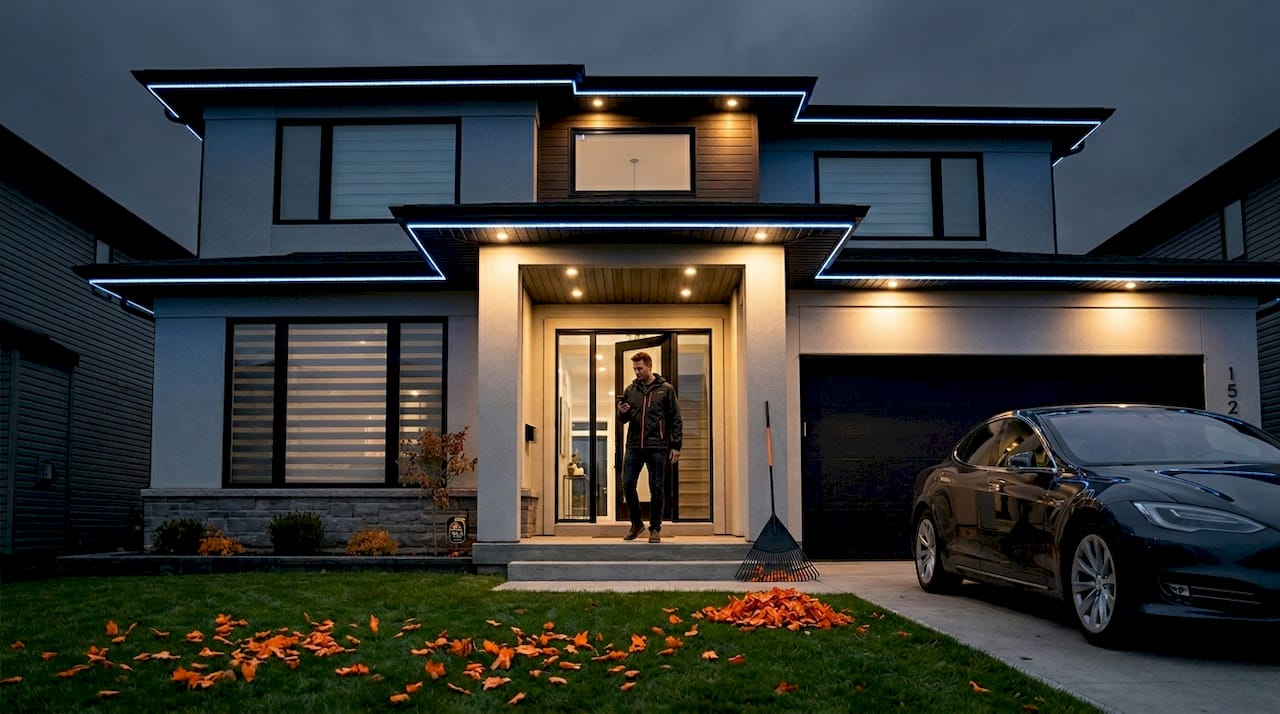
Choosing outdoor lighting for your DFW home sounds simple until you realize how many decisions are actually involved. Do you go for something that looks stunning during the holidays and sits dark the rest of the year? Or do you invest in a permanent system that works every single night, reduces your energy bills, and actually adds to your property value? More homeowners across Dallas, Fort Worth, Arlington, and Mansfield are asking that exact question. This guide walks you through every key factor so you can make a confident, informed choice.
Table of Contents
- How to evaluate permanent lighting for your home
- Top permanent lighting options for DFW homes
- Permanent lighting comparison: Key features and costs
- Which permanent lighting is best for your DFW home?
- The real impact of permanent lighting: What most homeowners miss
- Get expert permanent lighting installation in DFW
- Frequently asked questions
Key Takeaways
| Point | Details |
|---|---|
| Evaluate critical criteria | Durability, energy efficiency, and appearance should guide your lighting choice. |
| Choose the right type | LED strip, recessed downlight, smart RGB, and spotlight each have unique strengths for different home needs. |
| Compare features and costs | A side-by-side assessment helps you balance long-term value with upfront investment. |
| Tailor solutions to your home | Consider home architecture and goals—curb appeal, safety, or savings—to get the best results. |
| Professional installation pays off | Local experts ensure correct setup, code compliance, and the best look for your property. |
How to evaluate permanent lighting for your home
Now that you know why permanent lighting matters, let’s look at what actually makes a system right for your DFW property. Not every lighting product is built for Texas conditions, and not every aesthetic works for every neighborhood. Evaluating the right solution requires looking at several practical and financial factors together.
Durability and weather resistance are non-negotiable here. North Texas throws intense summer heat, strong thunderstorms, and occasional hard freezes at your home every single year. Any permanent outdoor lighting system needs to be rated for those conditions. Look for fixtures with at least IP65 waterproofing, and ideally IP67 or higher for components mounted close to the roofline or near drainage areas. Materials matter too: UV-resistant housings won’t yellow or crack after two Texas summers.
Energy efficiency is another top priority. Permanent LED lighting basics make it clear that LED-based systems consume significantly less power than older halogen or incandescent alternatives. Pairing LEDs with smart controls like timers, motion sensors, or smartphone-based schedules pushes your savings even further. As noted, permanent LED lighting can enhance both safety and style for DFW homes without running up your power bill.
Here are the main evaluation criteria to go through before you buy:
- Weather resistance: IP65 minimum, IP67 preferred for Texas heat and storms
- Energy efficiency: LED fixtures with smart automation capability
- Aesthetic fit: Color temperature, color-changing options, and how the fixture integrates with your roofline or architecture
- Installation type: Professional hardwired vs. plug-in systems; professional installation ensures code compliance and longevity
- Maintenance demands: Low-maintenance LED fixtures need minimal upkeep compared to traditional bulbs
- Warranty coverage: Look for lifetime or long-term manufacturer warranties
- HOA and permit requirements: Many DFW neighborhoods have rules about fixture color, placement, or brightness. Check before you install.
- Lighting zones: Plan out which areas of your property need what type of coverage
Understanding how permanent LED lights and home value are connected also helps you frame this as an investment, not just an upgrade.
Pro Tip: Use separate lighting zones for your entryway, roofline, landscaping, and garage. Each zone can be controlled independently so you can highlight your home’s best features at night while keeping energy use focused and intentional.
Top permanent lighting options for DFW homes
Understanding your criteria, let’s explore the best permanent lighting types suited for DFW homes. Each option has a distinct look, a specific installation footprint, and a different cost profile. Knowing the strengths of each helps you match the right product to your property.
Permanent LED strip lighting is the most popular choice for residential rooflines and eaves right now. These low-profile strips mount discreetly under your soffit or along your fascia, becoming nearly invisible during the day. At night, they deliver a smooth, even wash of color or warm white light across your home’s exterior. Most modern strip systems use RGB or RGBW LEDs (red, green, blue, and white in a single fixture), letting you dial in any color you want through a smartphone app. They’re ideal for homes that want a clean, modern look with maximum flexibility.
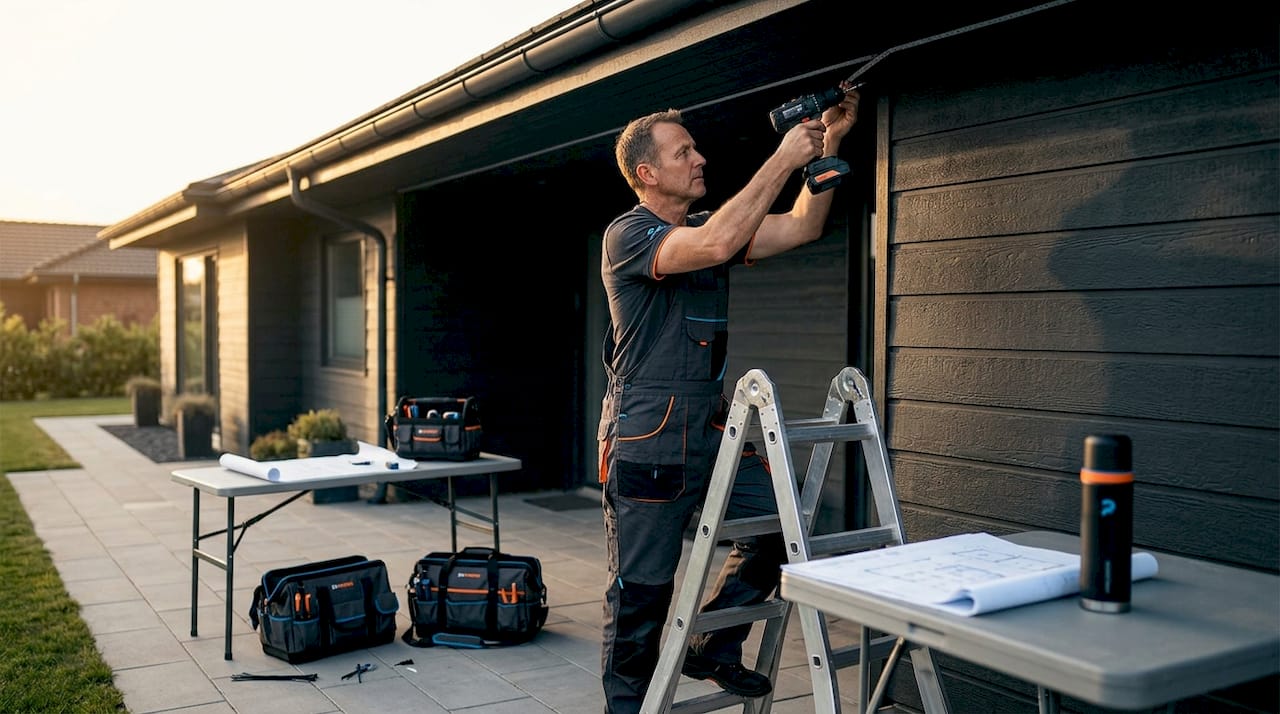
Recessed soffit downlights give your home a sharp, architectural appearance. These small, round fixtures are inset directly into the soffit surface and aim a precise beam downward onto the porch, driveway, or landscaping below. They look intentional and high-end, particularly on newer suburban homes with painted soffits. Because they’re fully recessed, they’re naturally protected from weather and direct sun exposure. The downside is limited color flexibility compared to strip systems.
Smart RGB lighting systems like JellyFish Lighting take the strip concept further with advanced app control, pre-programmed seasonal themes, and the ability to sync colors to holidays, sports events, or personal schedules. This type of system is the one we install most frequently across DFW because it genuinely functions as Christmas lights year-round. One installation serves every occasion. Smart home lighting automation delivers up to 75% energy savings compared to traditional outdoor lighting, which makes the upfront investment far more justifiable over a 10 to 15 year lifespan.
Traditional hardwired spotlights are the go-to for landscape and security lighting. High-lumen spotlights mounted at ground level or on walls can illuminate trees, architectural columns, flags, or garage facades with precision. They’re robust, reliable, and widely available. However, they’re less flexible in terms of color, require more conduit and wiring during installation, and typically draw more energy per fixture than modern LED strip alternatives.
Key features by option:
- LED strip systems: Discreet, color-flexible, app-controlled, ideal for eaves and rooflines
- Recessed soffit downlights: Clean look, weather-protected, great for porches and garage overhangs
- Smart RGB systems: Fully programmable, highest aesthetic versatility, premium app control
- Hardwired spotlights: High lumen output, durable, best for landscape and security focus
Looking at LED security lighting options specifically is worth doing if safety is your top priority. Security-focused LEDs can be set to motion activation and bright white output independently from your decorative color zones.
Pro Tip: Combine LED strip lighting along your roofline with two or three hardwired spotlights aimed at your landscaping or front door. You get decorative color on the upper structure and strong security illumination at ground level. The combination covers both aesthetics and function in one coordinated system.
Permanent lighting comparison: Key features and costs
With a clear sense of the options, a direct comparison helps clarify which fits your home best. The table below covers the four main permanent lighting types on the metrics that matter most to DFW homeowners.
| Lighting type | Avg. lifespan | Est. energy cost | Installation | Color options | Best for |
|---|---|---|---|---|---|
| LED strip lighting | 15 to 20 years | Very low | Professional | Full RGB | Rooflines, eaves, modern homes |
| Recessed soffit downlights | 10 to 15 years | Low | Professional | White/warm white | Porches, garages, contemporary styles |
| Smart RGB systems | 15 to 20 years | Very low | Professional | Full RGB + white | Year-round decoration, holidays |
| Hardwired spotlights | 10 to 15 years | Moderate | Professional or DIY | Limited | Landscape and security |
“Permanent LED lights offer long-term savings and improved home value” when installed correctly, making them one of the highest-return upgrades a DFW homeowner can make to their exterior.
Cost is a real factor. LED strip systems and smart RGB setups like JellyFish Lighting typically run higher upfront because of the components and professional labor involved. However, permanent LED lights are worth it over a 10 to 15 year horizon when you factor in the energy savings, zero bulb replacement costs, and the elimination of seasonal light installation and takedown fees. Recessed downlights offer a more moderate entry point but sacrifice color flexibility. Spotlights are the most accessible option for DIY installation but require thoughtful placement to avoid overly harsh or uneven illumination.
One detail many homeowners overlook is the cost of not planning properly. Under-lighting a large two-story facade, for example, leads to patchy results and usually requires a second installation visit. Getting the fixture count and placement right from the start saves money and frustration.
Which permanent lighting is best for your DFW home?
Once you’ve compared the options, consider these tailored strategies for your unique property and needs. There’s no one-size-fits-all answer, but there are strong patterns based on home style and homeowner priorities.
-
Classic ranch-style homes in communities like Mansfield, Midlothian, or Burleson tend to benefit most from a clean combination of warm-white LED strips along the roofline and two to four spotlights in the front landscape beds. The goal is a polished, inviting look that enhances the horizontal lines of the architecture without overwhelming it.
-
Mid-century and transitional homes with distinctive rooflines or large overhangs are perfect candidates for recessed soffit downlights combined with a smart RGB strip along the primary fascia. The downlights deliver everyday elegance, and the color strip lets you go all-out for holidays and special occasions.
-
Modern suburban homes in newer developments across Frisco, Prosper, or Southlake often feature dramatic architectural angles and tall facades. A full smart RGB system across the roofline and secondary eaves gives these homes a striking visual presence at night while keeping everything cleanly integrated into the structure.
-
Homeowners focused on security above all else should prioritize motion-activated LED spotlights at every access point, including side gates, garage aprons, and back doors, combined with always-on strip lighting at the front roofline for visibility and deterrence.
-
Homeowners who want maximum flexibility for both everyday aesthetics and seasonal decoration will get the most satisfaction from a full smart RGB system. You can run soft warm white every weeknight, switch to team colors on game days, and go full holiday mode for every season without lifting a finger after installation.
Professional lighting design for DFW homes takes the guesswork out of these decisions entirely. A designer looks at your specific architecture, setback, landscaping, and lighting goals to create a plan that delivers exactly the result you want. As one installer note puts it, expert lighting design can transform a DFW home’s look, security, and property value in ways that off-the-shelf solutions simply can’t replicate.
The real impact of permanent lighting: What most homeowners miss
Having covered specific strategies, let’s address a reality often overlooked in the rush to upgrade. Most homeowners come to us thinking about the immediate visual payoff. They want their home to look great during the holidays or to finally address that dark, unsafe driveway. Those are completely valid goals. But the homeowners who consistently tell us they are most satisfied with their installation are the ones who thought beyond the first impression.
Here’s what we’ve learned working across more than 35 cities in the Dallas-Fort Worth area: permanent lighting that is thoughtfully planned and professionally installed keeps delivering value in ways you don’t expect. It changes how you use your outdoor spaces after dark. It makes guests feel welcomed before they even knock on your door. It deters opportunistic crime not just through brightness but through the signal that your property is cared for and monitored.
The most common mistakes we see are under-lighting key areas to save money upfront, skipping smart controls because they seem complicated, and buying cheap fixtures that fail within two years in Texas heat. All three lead to disappointment and eventual reinstallation costs that exceed what a quality system would have cost the first time.
The other thing most homeowners miss is seasonal flexibility. A well-designed RGB system means you’re not just buying “holiday lights.” You’re buying a year-round lighting platform. Blue and gold for a Cowboys game. Green for St. Patrick’s Day. Soft amber for a fall evening on the porch. That versatility is what drives the long-term enjoyment that turns a home improvement into something you’re genuinely glad you did every single day.
Investing in a quality system that supports a long-term home value boost is fundamentally different from buying a cosmetic trend. The right permanent lighting system pays forward for years, not just for a season.
Get expert permanent lighting installation in DFW
Once you know what the right lighting can do, finding the right local expert is the final step to success. At DFW LED Pro, we are the official authorized JellyFish Lighting dealer for the Dallas-Fort Worth metroplex, and we bring real local knowledge to every installation we complete.
We serve homeowners across the entire region, including Lancaster, Midlothian, Bedford, Mansfield, and dozens of surrounding communities. Whether you want a clean warm-white system for everyday elegance or a full smart RGB setup for year-round color control, our team handles design, installation, and long-term support. If you’re in the Dallas area, explore our permanent LED lights in Dallas service page, or check out permanent LED lights in Lancaster if you’re further south. Contact us to request your free quote and see what the right lighting does for your home.
Frequently asked questions
How long do permanent outdoor LED lights typically last?
Permanent outdoor LED lights can last between 10 to 20 years with proper installation and maintenance. As noted, LED lights offer long-term savings and improved home value due to their extended lifespan compared to traditional bulb-based systems.
Can permanent lighting increase my home’s value?
Yes, professionally installed permanent lighting can significantly boost property value and curb appeal. Permanent LED lights enhance both safety and style for DFW homes, both of which are strong drivers of increased home value at resale.
Are there energy-efficient options for permanent home lighting?
LED and smart lighting systems offer high energy savings, with 75% energy savings possible through smart home lighting automation compared to traditional outdoor lighting setups.
Do I need a professional for installation of permanent lighting?
Professional installation ensures safety, code compliance, and maximum reliability, especially for complex systems. Expert lighting design and installation can transform your DFW home’s appearance and value in ways that DIY methods typically cannot match.