What Is Pre-Set Holiday Lighting for Your Home?
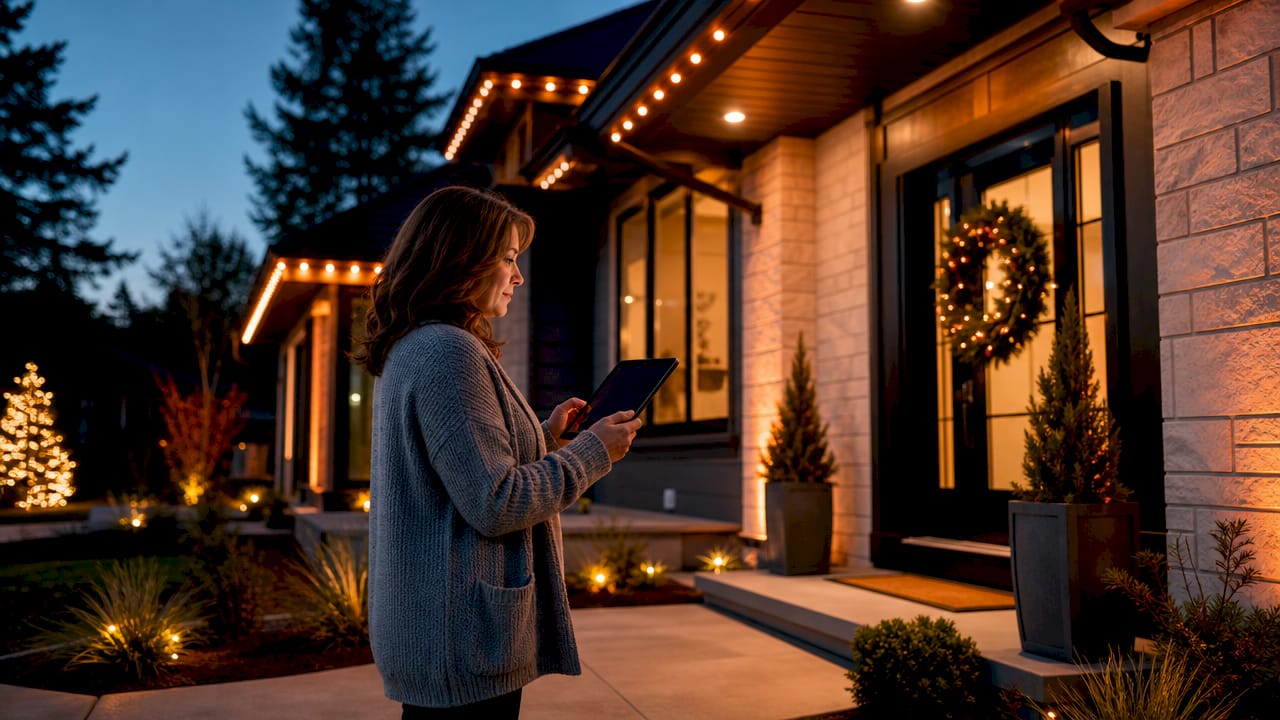
Pre-set holiday lighting is a category of outdoor decorative lighting systems that come with built-in, selectable color themes and schedules you activate through an app or timer, without climbing a ladder or stringing lights each season. The industry term for the broader category is programmable holiday lighting, and pre-set refers specifically to the factory-loaded or app-loaded scenes that trigger automatically. At Dfwledpro, we install these systems across the Dallas-Fort Worth area daily, and the difference between a home with pre-set lighting and one without is visible from the street the moment the holidays arrive.
What is pre-set holiday lighting and how does it work?
Pre-set holiday lighting is defined as any outdoor lighting system where color patterns, brightness levels, and on/off schedules are stored in advance and activated without manual reconfiguration. The two most common formats are permanent roofline systems and pre-lit decorative pieces like garlands or wreaths.
Permanent roofline systems are professionally installed once along gutters, fascia, or eaves and stay in place year-round. During daylight hours, the fixtures are largely invisible. After dark, you open an app, select a preset, and your home transforms. Systems like the eufy Permanent Outdoor Lights E22 offer 80+ preset themes accessible through the eufy Life App, including voice control via Amazon Alexa and Google Assistant.
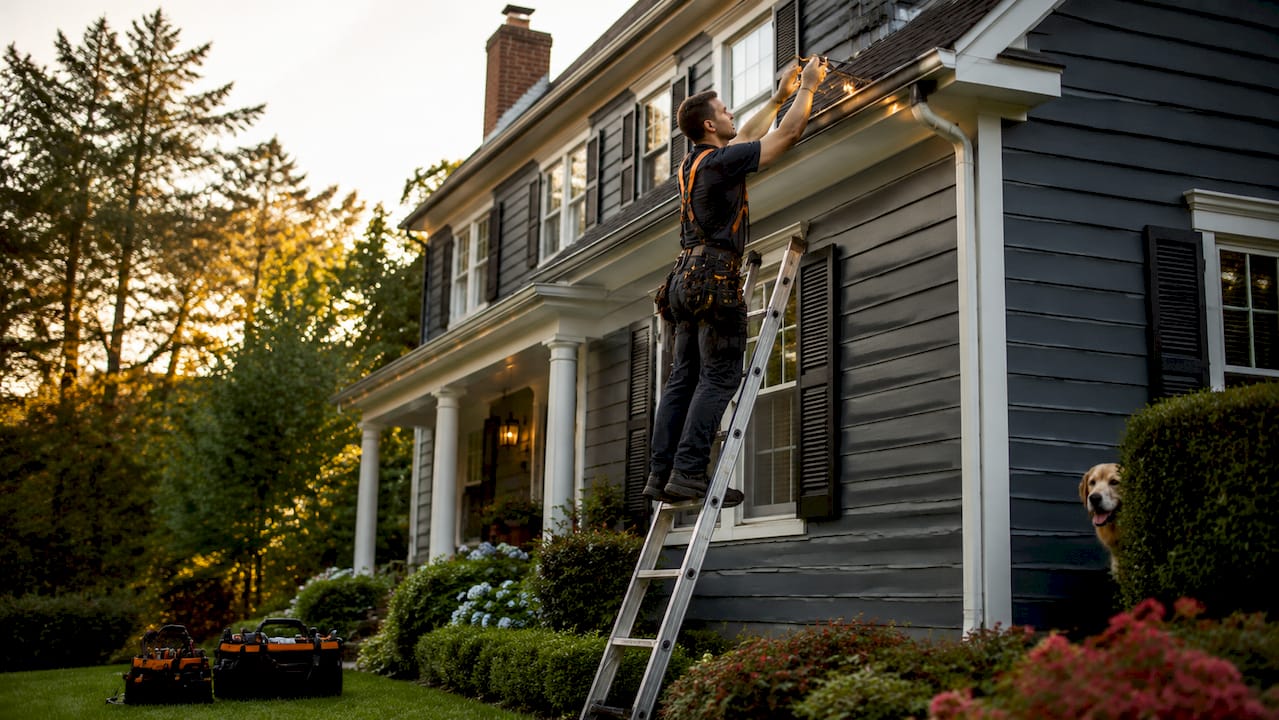
Pre-lit decorative pieces represent the simpler end of the spectrum. A National Tree Company pre-lit garland, for example, comes loaded with 50 LED lights and a built-in 6-hours-on/18-hours-off timer. That timer is technically a preset, but it cannot change colors, respond to holiday dates, or cover your entire roofline. It is a starting point, not a whole-home solution.
Understanding programmable lighting for outdoor spaces helps clarify where pre-set systems sit in the broader category of smart outdoor lighting.
Comparison: permanent systems vs. pre-lit décor
| Feature | Permanent roofline system | Pre-lit décor (garland, wreath) |
|---|---|---|
| Installation | Professional, one-time | DIY, seasonal |
| Control method | Smartphone app, voice control | Built-in timer or remote |
| Preset variety | 80+ color themes, custom scenes | 1-2 basic on/off schedules |
| Coverage | Full roofline, zones | Single decorative piece |
| Upfront cost | Higher | Low to moderate |
| Year-round use | Yes | Seasonal storage required |
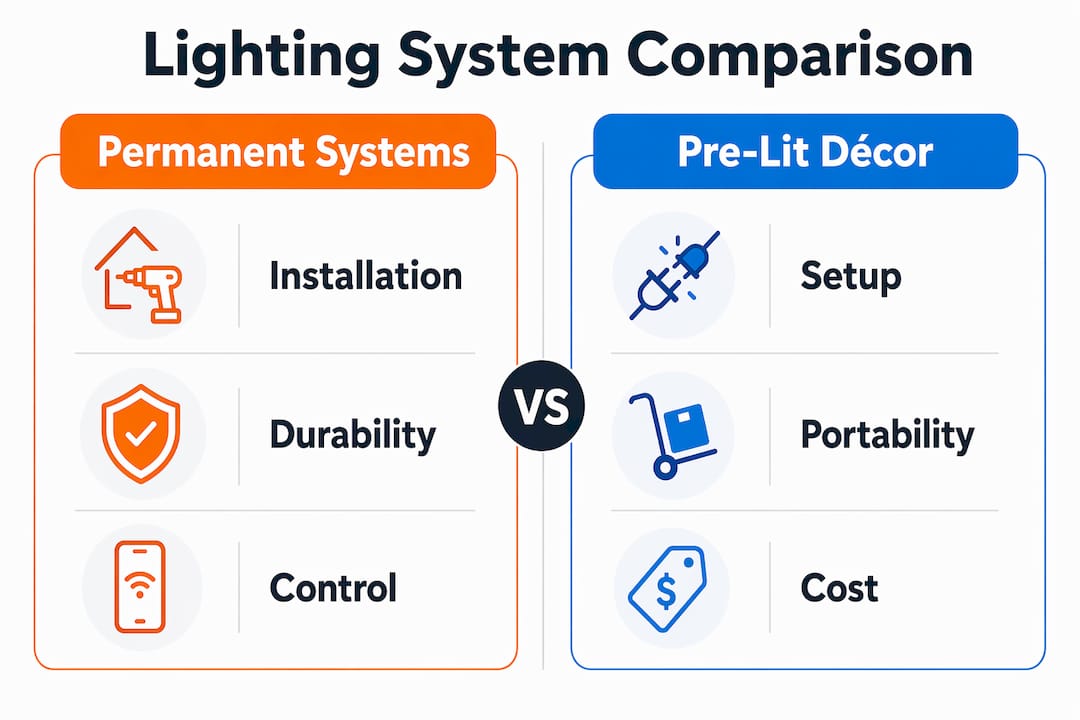
The gap between these two categories is significant. A pre-lit garland timer cannot replace whole-house programmable systems when you want synchronized color changes across your entire home for Christmas, Halloween, and the Fourth of July.
How do these systems work technically?
The core architecture of a pre-set holiday lighting system separates two distinct layers: the color and pattern library, and the logic that triggers it. Separating presets from control logic means the system can switch from red-and-green Christmas patterns to orange-and-purple Halloween colors automatically on a scheduled date, without you touching anything.
Here is what the main components look like in a well-designed permanent system:
- RGBW LED fixtures: Red, green, blue, and white channels in each light point allow millions of color combinations. Adjustable color temperature means warm white for Thanksgiving and cool white for winter ambiance.
- Dedicated controller: A weatherproof hub connects the fixtures to your home Wi-Fi and runs the scheduling logic. JellyFish Lighting controllers, for example, store scenes locally so the lights still run if your internet drops briefly.
- Smartphone app: The app is where you browse presets, build custom scenes, set holiday-date triggers, and define zones. Zones let you run different colors on the front roofline versus the garage versus the back patio simultaneously.
- Dusk-to-dawn and date triggers: The system reads sunset time for your zip code and turns on automatically. Holiday-date logic switches the active preset on December 24th or October 31st without a manual command.
- Weatherproof construction: Fixtures rated IP65 or higher handle rain, humidity, and Texas heat. Reliable pre-set systems depend on proper power planning, weatherproof components, and stable network connectivity to avoid mid-season failures.
Pro Tip: Before installation, map every circuit on your home’s exterior. Permanent LED systems draw consistent power across dozens of fixtures, and an undersized circuit will trip breakers during peak holiday use. A licensed electrician or professional installer handles this during the design phase.
The automation logic is what separates a true pre-set system from a simple timer. When the system knows today is December 25th and sunset is at 5:47 PM in Fort Worth, it activates the Christmas preset without any input from you. That is the hands-off experience most homeowners are looking for.
What are the benefits and downsides of pre-set holiday lighting?
Permanent holiday lights improve curb appeal and can be left active year-round with programmable themes for every major holiday. That is the headline benefit. But the full picture includes real trade-offs worth knowing before you commit.
The benefits:
- No seasonal ladder work. Once installed, you never hang or remove lights again.
- Year-round ambiance. Use warm white for everyday evenings, then switch to holiday themes on demand.
- Energy efficiency. LED fixtures consume a fraction of the power that traditional incandescent strings draw, and smart scheduling prevents lights from running when no one is home.
- Architectural highlighting. Permanent lights boost curb appeal by illuminating rooflines, columns, and eaves in ways that temporary strings cannot match cleanly.
- App-based control from anywhere. Traveling for Thanksgiving? You can activate your lighting preset from your phone before you pull into the driveway.
The downsides:
- Higher upfront cost. Permanent lights cost more than seasonal string lights, with professional installation adding to the total investment.
- Professional installation required for best results. DIY permanent systems exist, but improper power planning and mounting create reliability problems.
- Wi-Fi dependency. App-controlled systems need a stable home network. A router in the back of the house may not reach fixtures on the front roofline without a Wi-Fi extender.
- HOA review in some neighborhoods. Some Dallas-Fort Worth communities require approval for permanent exterior modifications.
For a direct look at cost comparisons between permanent and temporary lighting, the numbers often surprise homeowners who factor in annual installation labor and replacement costs for string lights.
Pros and cons at a glance
| Factor | Pre-set permanent lighting | Traditional string lights |
|---|---|---|
| Seasonal labor | None after installation | 4-8 hours per season |
| Energy use | Low (LED) | Moderate to high |
| Curb appeal | High, architectural | Variable |
| Upfront cost | Higher | Low |
| Lifespan | 10+ years | 1-3 seasons |
| Holiday flexibility | All holidays, app-controlled | Manual swap required |
How to plan and use pre-set holiday lighting effectively
Getting the most from a pre-set system starts before the first fixture goes up. Here is a practical sequence for homeowners moving from curiosity to a working installation:
- Assess your home’s architecture. Note the linear footage of your roofline, eaves, and any columns or archways you want lit. This determines how many fixtures and how much power capacity you need.
- Check your electrical panel. Permanent LED systems need dedicated circuits or confirmed available capacity. Have a licensed electrician verify this before you purchase anything.
- Choose your system type. If you want full-home coverage with holiday-date automation, a permanent roofline system like JellyFish Lighting is the right category. If you want accent pieces for a porch or entryway, pre-lit décor with timers works for limited applications.
- Work with a professional installer. Professional installation covers mounting, weatherproofing, power routing, and app configuration. Dfwledpro handles all of this for homeowners across Arlington, Fort Worth, Mansfield, and 35+ other DFW cities.
- Configure your zones and presets. Once installed, spend 20 minutes in the app setting up zones (front roofline, garage, back patio), loading holiday presets, and scheduling date-based triggers for the full year.
- Test before the holiday. Run each preset a week before the holiday arrives. Check that dusk triggers fire at the correct time and that all zones respond.
Pro Tip: Set up at least one “everyday” scene in warm white or soft amber. This gives your home a polished look on non-holiday evenings and makes the holiday presets feel like a genuine upgrade rather than the default state.
Maintenance is minimal with quality systems. Wipe fixtures clean periodically, especially after heavy pollen seasons in North Texas. Keeping exterior lighting clean extends fixture life and keeps light output consistent. If a zone stops responding, check the controller connection and app firmware version before assuming hardware failure. Most issues resolve with a controller restart or app update.
Seasonal lighting automation through smart scheduling also reduces energy waste by running lights only during the hours you actually want them on.
Key takeaways
Pre-set holiday lighting is most effective when it combines permanent LED fixtures, app-based preset libraries, and automated scheduling logic that triggers themes by date and dusk time without manual input.
| Point | Details |
|---|---|
| Definition clarity | Pre-set lighting stores color themes and schedules in advance, activated without seasonal reinstallation. |
| System types | Permanent roofline systems offer full-home control; pre-lit décor provides limited, single-piece presets. |
| Core technology | RGBW LEDs, dedicated controllers, and date-based logic automate holiday theme switching. |
| Key benefits | No seasonal labor, year-round curb appeal, energy efficiency, and app control from anywhere. |
| Planning priority | Assess roofline footage, electrical capacity, and zone layout before selecting or installing any system. |
Why I think most homeowners underestimate what pre-set lighting actually does
I have seen a lot of homes go through the permanent lighting installation process, and the reaction is almost always the same: homeowners expect convenience, but they are surprised by the aesthetic result. The architectural highlighting that comes from a clean roofline wash of light is genuinely different from what temporary strings produce. Strings hang. Permanent fixtures sit flush and direct light outward with precision.
What I find more interesting is the behavioral shift. Once a homeowner has a pre-set system, they actually use their outdoor lighting more. They run warm white on Tuesday evenings in October just because it looks good. They activate the Fourth of July preset for a neighborhood block party. The system stops being a holiday tool and becomes a year-round feature of the home.
The mistake I see most often is underplanning the electrical side. Homeowners focus on the app features and the color options, then get surprised when the installer flags a panel upgrade. That conversation is much easier before you have committed to a specific system. Get the electrical assessment done first. Everything else follows from there.
Adoption of smart permanent lighting is growing steadily in the DFW area, and the homes that have it are easy to spot. They look finished in a way that temporary decorations cannot replicate. If you are on the fence, the honest case for permanent LED lights comes down to one question: how much is your time worth each November and January?
— Adrian
Ready to install pre-set holiday lighting on your DFW home?
Dfwledpro is the official authorized JellyFish Lighting dealer for the Dallas-Fort Worth metroplex, serving homeowners in Arlington, Fort Worth, Mansfield, Grand Prairie, Burleson, Crowley, Cedar Hill, Midlothian, and 35+ surrounding cities. We handle every step of the process, from roofline assessment and power planning to fixture installation, app configuration, and preset setup.
Our installations include weatherproof IP-rated fixtures, custom zone layouts, and a full walkthrough of the app so you leave knowing exactly how to switch themes for every holiday on the calendar. If you are ready to stop hanging lights every season and start controlling your home’s exterior from your phone, explore our permanent LED installation in Dallas or our Fort Worth installation services to get started.
FAQ
What is pre-set holiday lighting in simple terms?
Pre-set holiday lighting is an outdoor lighting system with stored color themes and schedules you activate through an app or timer, without installing or removing lights each season. Permanent roofline systems and pre-lit decorative pieces are the two main formats.
How many presets do permanent holiday lighting systems offer?
Advanced systems like the eufy Permanent Outdoor Lights E22 provide 80+ preset themes through a dedicated app, including holiday-specific color patterns and custom DIY scenes. Basic pre-lit décor typically offers only one or two on/off timer settings.
Do pre-set holiday lights work without Wi-Fi?
Quality permanent systems store scenes locally on the controller, so lights continue running on their last active schedule if Wi-Fi drops. Full app control and real-time changes require a stable network connection.
What is the main downside of permanent pre-set lighting?
The primary downside is higher upfront cost compared to seasonal string lights, combined with the need for professional installation to handle power planning and weatherproofing correctly. Connectivity issues can also occur if the home network does not reach all fixture zones.
Can pre-set holiday lighting be used for occasions other than Christmas?
Yes. Permanent programmable systems support presets for any holiday or occasion, including Halloween, the Fourth of July, Thanksgiving, and everyday ambiance scenes. The app lets you schedule automatic theme changes by date so the correct colors activate without manual input.